
Essential Preventive Health Care Tips for Adults
Essential Preventive Health Care Tips for Adults
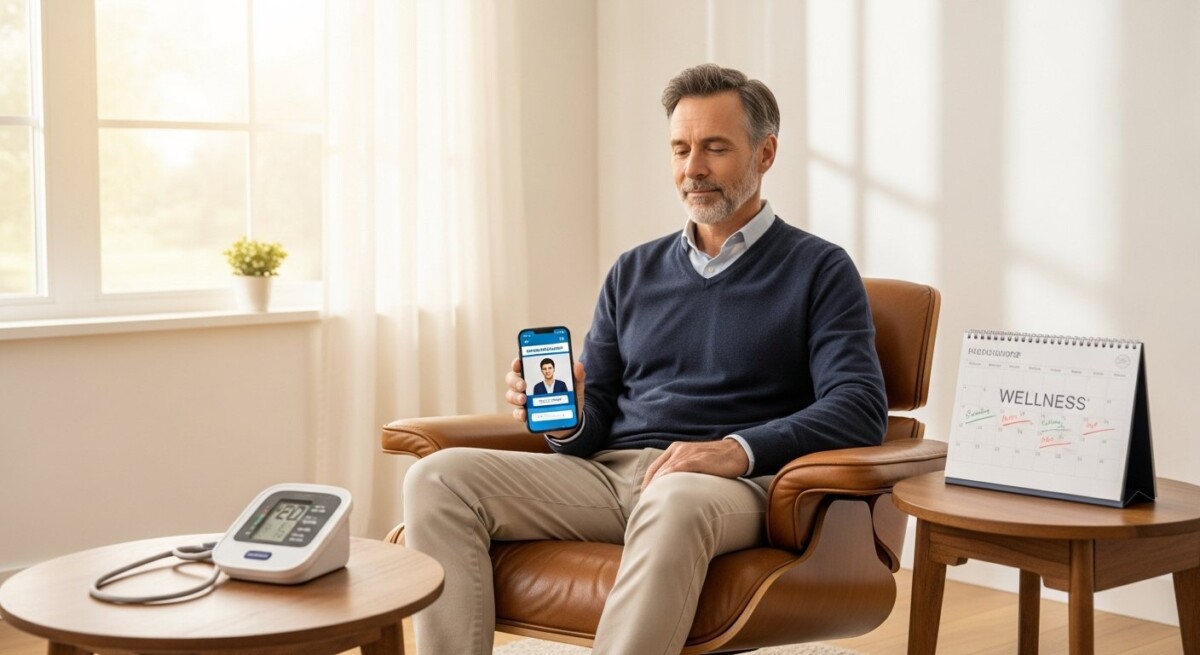
Preventive health care is the foundation of a long, active life, yet many adults delay routine checkups and screenings until a problem arises. The reality is that most chronic diseases, from heart conditions to diabetes, develop gradually and often without obvious symptoms. By adopting a proactive approach, you can catch potential issues early, reduce your risk of serious illness, and maintain better control over your overall well-being. This article outlines actionable preventive health care tips for adults, focusing on screenings, lifestyle adjustments, and the growing role of telemedicine in making preventive care more accessible than ever.
Why Preventive Health Care Matters for Adults
Preventive health care is not just about avoiding sickness. It is about optimizing your body and mind to function at their best. Regular preventive measures help identify risk factors such as high blood pressure, elevated cholesterol, or blood sugar imbalances before they develop into full-blown diseases. For adults, especially those over 40, these screenings become even more critical as the risk for conditions like cardiovascular disease, type 2 diabetes, and certain cancers increases. The benefits extend beyond physical health. Early detection often means less aggressive treatment, lower medical costs, and a higher quality of life. When you prioritize prevention, you are investing in your future self.
Core Preventive Screenings and Checkups
Staying on top of recommended screenings is one of the most effective steps you can take. Guidelines vary by age, gender, and family history, but certain core tests are widely recommended for most adults. These include annual blood pressure checks, cholesterol panels every four to six years (more often if levels are high), and blood glucose testing for diabetes risk. For women, routine mammograms and Pap smears are critical. For men, prostate cancer discussions with a doctor typically begin around age 50. Colon cancer screening, usually starting at age 45, is another essential preventive measure. Additionally, immunizations such as the annual flu shot, tetanus boosters, and the shingles vaccine (for older adults) are key components of a preventive plan. If you have a family history of a particular condition, your doctor may recommend starting screenings earlier or more frequently.
Lifestyle Habits That Prevent Chronic Disease
Beyond clinical screenings, your daily habits are the most powerful tools for disease prevention. Three pillars stand out: nutrition, physical activity, and sleep. A diet rich in whole foods (fruits, vegetables, lean proteins, and whole grains) helps maintain a healthy weight and reduces inflammation. Aim for at least 150 minutes of moderate aerobic activity per week, such as brisk walking, cycling, or swimming, combined with strength training twice a week. Quality sleep (seven to nine hours per night for most adults) is equally vital. Poor sleep is linked to higher risks of obesity, heart disease, and weakened immunity. Managing stress through mindfulness, hobbies, or social connections also plays a significant role. Chronic stress elevates cortisol levels, which can contribute to high blood pressure and other health problems over time.
Building a Sustainable Routine
Many adults struggle to maintain healthy habits because they try to overhaul everything at once. A more effective approach is to start small. For example, replace one sugary drink with water each day, add a 10-minute walk after dinner, or set a consistent bedtime. Gradually build on these changes. Use a health journal or a simple app to track your progress. The goal is consistency, not perfection. Over weeks and months, these small adjustments compound into significant health improvements. If you need extra guidance, consider using at-home testing kits to monitor key biomarkers like vitamin D, thyroid function, or cholesterol from the comfort of your home. This can help you identify areas that need attention and discuss them with your healthcare provider.
At-Home Testing: A New Frontier in Preventive Care
One of the most convenient developments in preventive health is the availability of at-home medical testing. These kits allow you to collect samples (blood, saliva, or stool) in the privacy of your own home and mail them to a certified lab for analysis. Results are typically available online within days. This approach removes common barriers to preventive care, such as taking time off work, traveling to a lab, or feeling anxious about a clinical setting. For adults who are proactive about their health, at-home testing can be a powerful complement to regular doctor visits. Tests are available for a wide range of conditions including thyroid function, vitamin deficiencies, cholesterol levels, kidney function, and even markers for colon cancer. If a test reveals abnormal results, you can then schedule a virtual consultation with a healthcare professional to discuss next steps.
When to Use At-Home Tests
At-home tests are not a replacement for all medical care, but they are excellent for baseline monitoring and for tracking changes over time. Consider using them in these scenarios:
- You have a family history of a condition like diabetes or heart disease and want to monitor your risk between doctor visits.
- You experience vague symptoms (fatigue, weight changes, digestive issues) and want initial data before scheduling an appointment.
- You want to check your vitamin levels after changing your diet or starting a new supplement.
- You need to screen for sexually transmitted infections (STIs) discreetly.
After receiving your results, a telemedicine platform like DoctorsHome can connect you with a licensed provider who can interpret the findings and recommend treatment or further testing if necessary. This integrated approach streamlines the entire process from detection to care.
The Role of Telemedicine in Preventive Health
Telemedicine has transformed how adults access preventive care. Virtual consultations make it easier to discuss screening results, manage chronic conditions, and get prescription refills without the hassle of a physical waiting room. For busy adults, this convenience can mean the difference between skipping a checkup and staying on top of their health. Telemedicine is particularly effective for follow-up care after an initial screening. For instance, if your at-home test shows elevated blood sugar, you can have a video call with a doctor to discuss lifestyle changes and possibly start medication. The doctor can also order additional lab work or refer you to a specialist if needed. In our guide on virtual health care services, we explore how these platforms are making preventive care more accessible and affordable for everyone.
Integrating Telemedicine Into Your Preventive Plan
To get the most out of telemedicine for prevention, treat virtual visits as seriously as in-person appointments. Prepare a list of questions beforehand, have your recent test results ready, and be honest about your symptoms and lifestyle. Many telemedicine platforms, including DoctorsHome, offer discreet prescription services for conditions like herpes virus and eye allergies, as well as a broad range of at-home test kits. This one-stop approach simplifies the preventive care process. You can fill out an online form, have a doctor review your case, and receive medications or test kits delivered to your door in discreet packaging within two to five business days. This model is especially valuable for adults who prefer privacy or have limited access to traditional clinics.
Managing Mental Health as Part of Prevention
Preventive health care is incomplete without addressing mental well-being. Chronic stress, anxiety, and depression can have profound effects on physical health, increasing the risk of heart disease, weakening the immune system, and disrupting sleep. Regular mental health check-ins are just as important as physical exams. Simple practices like daily meditation, journaling, or talking to a therapist can prevent small stressors from escalating into serious conditions. If you notice persistent changes in mood, energy, or interest in activities you once enjoyed, do not wait. Reach out to a healthcare provider. Many telemedicine services now offer mental health consultations, making it easier to get support from the privacy of your home.
Building a Personalized Preventive Health Plan
No two adults have identical health needs. Your preventive plan should reflect your age, gender, family history, lifestyle, and personal health goals. Start by scheduling a comprehensive annual physical with your primary care provider. Use that appointment to review your screening schedule and discuss any concerns. Between visits, keep a log of any changes in your health, no matter how minor they seem. Utilize at-home tests to fill in gaps. For example, if you are vegan, you might test your vitamin B12 and iron levels regularly. If you have a family history of thyroid disease, periodic thyroid panels can catch issues early. Combine this data with virtual consultations to adjust your plan as needed. The key is to stay engaged and proactive rather than reactive.
Preventive health care does not have to be complicated or time-consuming. By focusing on a few key screenings, maintaining healthy daily habits, and leveraging modern tools like at-home testing and telemedicine, you can take control of your health with confidence. The small steps you take today can prevent major health problems tomorrow, allowing you to enjoy a more vibrant and active life for years to come.
About the Author: Michael Anderson





Sign up for our newsletter and Save 20% on Test Kits
"*" indicates required fields