
Virtual Doctor Visits: How to Book Online Appointments
Virtual Doctor Visits: How to Book Online Appointments

The way people access healthcare has changed significantly in recent years. Instead of sitting in a crowded waiting room, many patients now connect with a licensed provider from their living room, office, or even while traveling. Understanding how to book a doctor online and how virtual appointments work can help you save time, reduce stress, and get the care you need without unnecessary delays. This shift is not just a temporary trend; it represents a fundamental change in how medical services are delivered. For millions of Americans, telemedicine has become the primary way to manage routine health concerns, obtain prescriptions, and access specialist advice.
Virtual care platforms like DoctorsHome have streamlined this process, making it possible to complete a full medical visit in minutes. The core idea is simple: you fill out a health questionnaire, a doctor reviews your information, and if appropriate, a prescription or treatment plan is sent to your pharmacy. This model works exceptionally well for specific conditions such as herpes virus outbreaks, eye allergies, and a wide range of common illnesses. However, many people still have questions about how to get started, what technology they need, and whether virtual appointments are truly effective. This article will walk you through every step of the process, from making a doctors appointment online to receiving your medication or test kit at your doorstep.
What Is a Virtual Doctor Appointment?
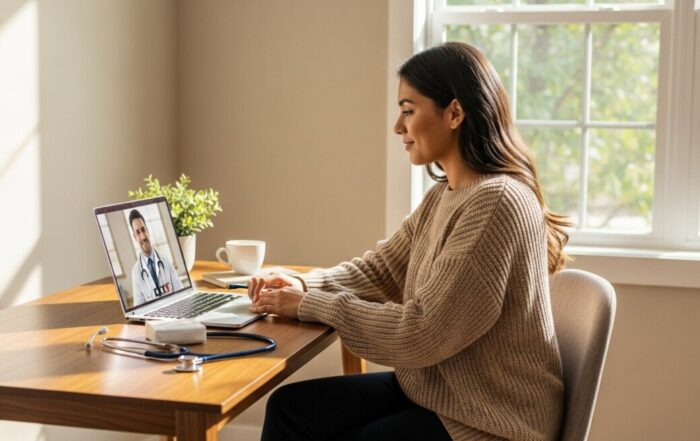
A virtual doctor appointment, also known as a telemedicine visit or online consultation, is a medical consultation that takes place over the internet rather than in a physical clinic. Instead of meeting your doctor face-to-face in an exam room, you communicate using a secure video call, phone call, or even an asynchronous messaging system. The goal is the same: a licensed healthcare professional evaluates your symptoms, reviews your medical history, and recommends a course of treatment. The difference is convenience. You can take doctor appointment slots that fit your schedule, often with same-day availability.
Telemedicine is not suitable for every medical situation. For example, if you are experiencing chest pain, severe bleeding, or a broken bone, you should go to an emergency room. However, for many common conditions such as sinus infections, urinary tract infections, skin rashes, allergies, and herpes outbreaks, a virtual visit is often sufficient. The doctor can ask targeted questions, view images of a rash or lesion, and prescribe medication based on established clinical guidelines. This approach reduces the risk of exposure to other illnesses in waiting rooms and eliminates travel time.
How to Book a Doctor Online: Step by Step
The process of booking a virtual appointment is straightforward and typically takes less than ten minutes. Most telemedicine platforms, including DoctorsHome, are designed to minimize friction so you can get care when you need it most. Here is a breakdown of the typical steps involved when you decide to book dr online.
Step 1: Choose a Reputable Telemedicine Platform
Not all virtual care services are the same. Some focus on primary care, others on mental health, and some specialize in specific conditions like sexual health or dermatology. When selecting a platform, look for one that operates in your state, employs licensed medical professionals, and offers services that match your needs. DoctorsHome, for instance, specializes in treating herpes virus and eye allergies while also providing a broad selection of at-home medical testing kits. This specialization means the doctors are experienced with these conditions and can provide targeted treatment quickly.
Step 2: Create an Account and Fill Out a Health Form
Once you select a platform, you will need to create a secure account. This typically involves providing your name, date of birth, contact information, and a brief medical history. You will then be asked to complete a detailed health questionnaire about your current symptoms. For example, if you are seeking treatment for a herpes outbreak, the form may ask about the location of sores, frequency of outbreaks, and any previous treatments you have tried. Be honest and thorough. The more information you provide, the better the doctor can assess your condition.
Step 3: Submit Your Request for a Doctor Review
After completing the form, you submit it for review. Unlike a traditional appointment where you wait for a scheduled time, many telemedicine services operate on an asynchronous model. This means you do not need to be online at a specific moment. A licensed physician reviews your information on their own time, usually within a few hours. For conditions like herpes or eye allergies, the review often happens within one to two hours during business hours. This flexibility is a major advantage when making a doctors appointment online because it removes the need to coordinate schedules.
Step 4: Receive a Diagnosis and Treatment Plan
Once the doctor has reviewed your information, they will either approve a treatment plan or ask for additional details. If a prescription is appropriate, it will be sent electronically to a pharmacy that partners with the platform. DoctorsHome, for example, has a pharmacy network that can deliver medications directly to your home in discreet packaging within two to five business days. The doctor may also recommend an at-home test kit if further diagnostics are needed. You will receive a clear explanation of your diagnosis and instructions for using any prescribed medication.
Step 5: Follow-Up and Ongoing Care
Many telemedicine platforms allow for follow-up messages or repeat visits. If your symptoms do not improve, you can often request a second consultation at no additional cost within a certain timeframe. For chronic conditions like recurrent herpes outbreaks, you may be able to establish an ongoing relationship with the same provider. This continuity of care is essential for managing long-term health issues effectively.
What Conditions Can Be Treated via Virtual Appointments?
Virtual appointments are best suited for conditions that can be diagnosed through a combination of patient history, visual inspection, and description of symptoms. They are not appropriate for emergencies or conditions that require physical palpation, blood pressure monitoring, or laboratory tests that cannot be done at home. However, the list of treatable conditions is extensive and growing.
DoctorsHome specifically focuses on two primary areas: herpes virus infections and eye allergies. For herpes, the platform offers prescription antiviral medications that can shorten outbreaks, reduce severity, and lower the risk of transmission. For eye allergies, they provide access to prescription eye drops that target inflammation and itching. In addition to these specialty areas, many telemedicine platforms can treat common conditions such as:
- Urinary tract infections (UTIs)
- Sinus infections and respiratory infections
- Skin conditions like acne, eczema, and rosacea
- Cold sores and canker sores
- Allergies and hay fever
- Migraine headaches
- Nausea and stomach issues
Beyond treatment, virtual appointments are also an excellent way to order at-home medical testing kits. DoctorsHome offers a comprehensive range of tests covering COVID-19, male hormone levels, female fertility, STDs/STIs, hepatitis B and C, vitamin deficiencies (B12, D, Folate), cortisol, cholesterol, kidney function, celiac disease, iron levels, omega-3, thyroid function, liver function, colon cancer screening, Lyme disease, C-reactive protein, and diabetes. You can take doctor appointment to discuss which tests are right for you and receive a kit delivered to your home.
Benefits of Virtual Healthcare Over In-Person Visits
The shift toward telemedicine is driven by clear advantages that benefit both patients and providers. Understanding these benefits can help you decide when a virtual visit is the right choice.
First, convenience is the most obvious benefit. You can book a doctor online how virtual appointments work from your smartphone or computer without leaving your home. This eliminates commute time, waiting room delays, and the need to take time off work. For busy professionals, parents, or individuals with mobility issues, this is a game changer. Second, virtual visits are often more affordable. Many telemedicine platforms charge a flat fee for a consultation, which is typically lower than the cost of an in-person visit, especially if you are paying out of pocket or have a high deductible insurance plan.
Third, privacy and discretion are significant advantages. Conditions like herpes, STDs, and mental health issues can feel embarrassing to discuss in a busy clinic. Virtual consultations allow you to have a private conversation with a doctor from a location where you feel safe and comfortable. DoctorsHome emphasizes discreet packaging for all deliveries, ensuring that your neighbors or family members do not know what is inside the package. Fourth, access to care improves dramatically. People living in rural areas or regions with a shortage of doctors can connect with specialists hundreds of miles away. This reduces health disparities and ensures that more people receive timely treatment.
Finally, the speed of care is unmatched. Instead of waiting days or weeks for an appointment, you can often receive a diagnosis and prescription within hours. For conditions like herpes outbreaks, where early treatment can significantly reduce symptom duration, this speed is clinically important.
Technology Requirements for a Virtual Visit
One common concern is whether you need expensive equipment to participate in a virtual appointment. The good news is that the technology requirements are minimal. Most telemedicine platforms work on any device with a camera and microphone, including smartphones, tablets, laptops, and desktop computers. You need a stable internet connection, either Wi-Fi or cellular data. For video visits, a connection speed of at least 5 Mbps is recommended for smooth streaming.
Before your appointment, ensure that your device is charged and that you have a quiet, well-lit space where you can speak freely. If you are using a platform like DoctorsHome that relies on asynchronous forms rather than live video, you do not even need to be available at a specific time. You simply fill out the form and wait for the doctor’s response. This makes it accessible for people with unpredictable schedules.
If you are concerned about privacy, use a secure network rather than public Wi-Fi. Telemedicine platforms are required to comply with HIPAA regulations, which means your health information is encrypted and protected. You should also ensure that you are in a private location where others cannot overhear your conversation or see your screen.
How to Prepare for Your Virtual Appointment
Preparation is key to getting the most out of a virtual visit. Just like an in-person appointment, you should come ready with information that will help the doctor make an accurate diagnosis. Start by writing down your symptoms, including when they started, how severe they are, and what makes them better or worse. If you have a fever, take your temperature. If you have a rash or sore, take a clear photo with your phone before the appointment so you can share it with the doctor.
Have your medical history handy, including any medications you are currently taking, allergies to medications, and previous diagnoses. If you are visiting a platform like DoctorsHome, this information will be requested in the online form, but having it prepared in advance speeds up the process. Also, think about what questions you want to ask. For example, if you are seeking treatment for herpes, you might ask about suppressive therapy versus episodic treatment, side effects of antivirals, and ways to prevent transmission to partners.
Finally, make sure you have a method to receive your prescription or test kit. If the platform offers home delivery, confirm that your address is correct. If they send prescriptions to a local pharmacy, know which pharmacy you prefer. Being prepared ensures that your virtual visit is as effective as an in-person consultation.
Common Myths About Virtual Doctor Appointments
Despite the growing popularity of telemedicine, several misconceptions persist. One common myth is that virtual doctors are not real doctors. In reality, all providers on reputable platforms like DoctorsHome are licensed, board-certified physicians who practice under the same regulations as those in physical clinics. They undergo the same training and continuing education requirements.
Another myth is that virtual visits are not covered by insurance. While this was true for some plans in the past, most major insurance providers now cover telemedicine services, especially since the pandemic. However, coverage varies, so it is wise to check with your insurance company before your visit. Many platforms also offer transparent pricing for self-pay patients, often with a flat fee that is lower than a typical copay.
A third myth is that virtual care is only for minor issues. While it is true that emergencies require in-person care, telemedicine can manage many chronic conditions as well. For example, patients with recurrent herpes outbreaks can establish a long-term relationship with a virtual provider for ongoing management. Similarly, people with thyroid conditions or vitamin deficiencies can use at-home testing kits and follow-up consultations to adjust their treatment without ever stepping into a clinic.
Finally, some people worry about the quality of care. Studies have shown that for many conditions, virtual consultations produce outcomes comparable to in-person visits. Patient satisfaction scores are consistently high, particularly for the convenience and speed of service. The key is to choose a platform that specializes in the condition you are treating, as this ensures the doctor has relevant expertise.
Frequently Asked Questions
Is it safe to book a doctor online? Yes, as long as you use a reputable platform that complies with HIPAA privacy regulations. Your personal and medical information is encrypted and protected. Always verify that the platform employs licensed healthcare providers.
How much does a virtual appointment cost? Costs vary by platform and condition. Many services charge a flat fee between $30 and $80 for a consultation. Some insurance plans cover telemedicine, reducing the cost to a standard copay. Check with the platform and your insurance provider for specific pricing.
What if the doctor cannot diagnose me virtually? In some cases, the doctor may determine that an in-person visit is necessary. They will provide a referral and instructions for follow-up care. Most platforms do not charge for a consultation if they cannot treat your condition.
Can I get a prescription without a video call? Yes. Many platforms, including DoctorsHome, use an asynchronous model where you fill out a detailed form and a doctor reviews it without a live video call. This is often faster and more flexible for patients.
How long does it take to receive medication after a virtual visit? If a prescription is approved, it is sent to a pharmacy immediately. With home delivery, you typically receive it within two to five business days. Some platforms offer expedited shipping for an additional fee.
Can I use telemedicine for ongoing care? Absolutely. Many platforms support follow-up visits and ongoing management of chronic conditions. You can schedule repeat consultations as needed to adjust treatment plans.
Making the Most of Your Telemedicine Experience
To get the best results from your virtual appointment, treat it with the same seriousness as an in-person visit. Be honest about your symptoms, follow the doctor’s instructions carefully, and take your medication as prescribed. If you are using an at-home test kit, follow the instructions precisely to ensure accurate results. Remember that telemedicine is a tool, not a replacement for all forms of medical care. If your symptoms worsen or do not improve, seek additional medical attention.
The convenience of book a doctor online how virtual appointments work is undeniable, but it works best when you are an active participant in your care. Research your condition, prepare your questions, and choose a platform that aligns with your needs. For many people, platforms like DoctorsHome offer a perfect balance of speed, discretion, and quality. In our guide on book doctor appointments online a simple guide to easy visits, we explain how to navigate the process from start to finish.
Virtual healthcare is not just a convenience; it is a powerful way to take control of your health. Whether you are managing a chronic condition like herpes, dealing with seasonal allergies, or simply need a routine check-up, online appointments offer a path to care that fits your lifestyle. As technology continues to improve and more doctors embrace telemedicine, the barriers to accessing quality healthcare will continue to shrink. For anyone looking to save time, reduce stress, and get effective treatment, the answer is clear: book a virtual appointment today.
If you are ready to experience the benefits of telemedicine, consider starting with a platform that specializes in your needs. For those dealing with herpes or eye allergies, DoctorsHome provides a streamlined, discreet, and effective solution. You can also explore their wide range of at-home test kits to gain deeper insights into your health. The future of healthcare is here, and it fits right in your pocket. For more information on financing your healthcare needs, you can explore options at startautoloan.com to see how flexible payment solutions can help you manage medical expenses.
About the Author: James Patel




Sign up for our newsletter and Save 20% on Test Kits
"*" indicates required fields