
Online Prescription for Eye Allergies Without Insurance
Online Prescription for Eye Allergies Without Insurance
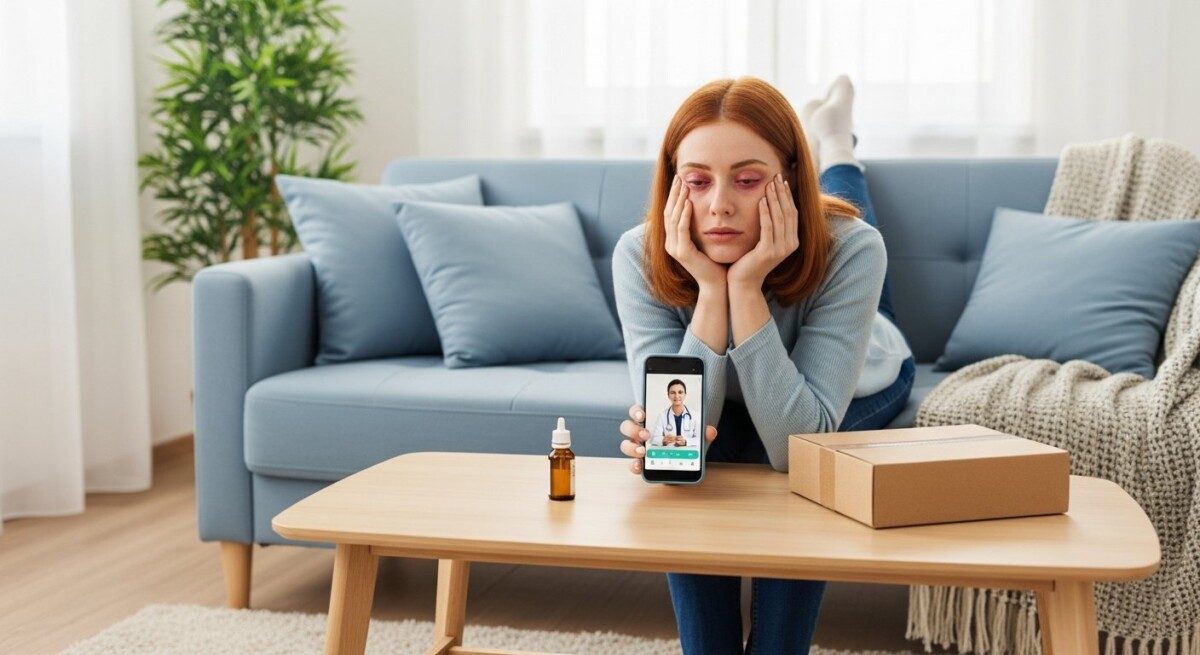
Red, itchy, watery eyes can derail your entire day. When allergy season strikes or your environment triggers a reaction, you need relief fast. But if you do not have health insurance, the usual path to an eye doctor can feel blocked by high costs and long waits. Fortunately, an online prescription for eye allergies without insurance is not only possible but can be faster and more affordable than traditional care. Telemedicine platforms now connect you with licensed physicians who can evaluate your symptoms and prescribe effective medication without requiring an in-person visit or a pricey insurance plan.
This article explains exactly how to obtain an online prescription for eye allergies without insurance, what to expect from the process, and why this option is transforming care for millions of Americans. Whether you suffer from seasonal pollen allergies, pet dander reactions, or dust mite sensitivity, you can get the targeted medication you need from the comfort of your home. Let us walk through the steps, the costs, and the key considerations so you can make an informed decision about your eye health.
Why Choose an Online Prescription for Eye Allergies Without Insurance?
Millions of people in the United States skip or delay eye allergy treatment because they lack insurance or face high deductibles. Traditional visits to an ophthalmologist or optometrist can cost between $100 and $300 for a consultation alone, not including the price of prescription drops. An online prescription for eye allergies without insurance eliminates that barrier by offering flat-rate consultations that are often a fraction of the cost. You pay a single fee for the physician review, and if a prescription is appropriate, it is sent directly to a pharmacy for fast delivery.
Beyond cost, convenience plays a major role. You can complete an online health questionnaire in minutes from your phone or computer. The doctor reviews your information and medical history asynchronously, meaning you do not have to wait for a scheduled appointment slot. This is especially valuable during peak allergy seasons when in-person clinics are booked solid. For those who need ongoing relief, telemedicine platforms also make it easy to request refills without repeating the entire intake process.
Common Eye Allergy Triggers and Symptoms
Understanding your triggers helps you communicate effectively with the online provider. Eye allergies, also known as allergic conjunctivitis, occur when your immune system overreacts to a substance that is normally harmless. Common triggers include pollen from trees, grasses, and weeds; mold spores; pet dander; dust mites; and irritants like smoke or perfume. Symptoms typically affect both eyes and include redness, itching, burning, a gritty sensation, excessive tearing, and swollen eyelids. Unlike bacterial or viral pink eye, allergic conjunctivitis is not contagious and often coincides with nasal allergy symptoms like sneezing and a runny nose.
When you fill out the online form for an online prescription for eye allergies without insurance, you will be asked about these specific symptoms, their duration, and any known triggers. Be as detailed as possible. If you also have seasonal allergies or asthma, mention that because it helps the doctor rule out other conditions and choose the safest medication. The physician may also ask whether you wear contact lenses, as some allergy drops are not compatible with lens wear.
How the Online Prescription Process Works
Obtaining an online prescription for eye allergies without insurance follows a streamlined, three-step model that prioritizes both speed and medical safety. First, you visit a telehealth platform like DoctorsHome and complete a brief medical questionnaire. This form covers your allergy history, current symptoms, medication allergies, and any other health conditions. It is designed to give the reviewing physician enough information to make a responsible treatment decision without a live video call, though some platforms offer live consultations if needed.
Second, a licensed healthcare provider licensed in your state reviews your submission. This typically happens within a few hours during business hours, though many platforms process requests around the clock. The doctor may ask follow-up questions via secure message if anything in your form requires clarification. If the physician determines that prescription eye drops are appropriate, they will issue an electronic prescription to the platform’s partner pharmacy or a pharmacy of your choice.
Third, the pharmacy fills the order and ships it directly to your home in discreet packaging. Most patients receive their medication within two to five business days. Some platforms offer expedited shipping for an additional fee. You do not need to visit a pharmacy in person, and there is no need to coordinate with an insurance company because you are paying out of pocket. The entire experience is designed for privacy and convenience.
For a detailed look at each stage of this journey, refer to our Online Prescription Process Walkthrough: Step by Step guide, which covers everything from submitting your form to receiving your package.
What Types of Prescription Eye Drops Are Available?
Several prescription medications are commonly used to treat allergic conjunctivitis. The most effective options include antihistamine-mast cell stabilizer combination drops, such as olopatadine (generic for Pataday and Patanol). These drops work by blocking histamine receptors and preventing the release of inflammatory chemicals, providing both immediate relief from itching and long-term prevention of symptoms. Other options include ketotifen fumarate (available over the counter in some formulations but stronger by prescription), and azelastine, which combines antihistamine activity with mast cell stabilization.
For more severe cases, a doctor may prescribe a short course of corticosteroid eye drops to reduce inflammation quickly. Steroids are highly effective but are typically used for a limited duration due to potential side effects like increased intraocular pressure. Non-steroidal anti-inflammatory drops, such as ketorolac, are another option for patients who cannot tolerate steroids. During your online consultation, the physician will recommend the medication that best matches your symptom severity and medical history. Because you are paying directly, you can often choose the most cost-effective generic version.
Cost Comparison: Online Prescription vs. Traditional Care
When you lack insurance, the price difference between online and in-person care for eye allergies can be dramatic. A typical in-person doctor visit for eye allergies costs between $100 and $300. If the doctor prescribes drops, you then pay the pharmacy retail price, which can range from $30 to $150 for a brand-name bottle. That means a single episode of care can easily exceed $300. In contrast, an online consultation for an online prescription for eye allergies without insurance typically costs between $25 and $50. The medication itself, when purchased through the platform’s pharmacy or with a GoodRx coupon, may cost $20 to $60 for a generic supply lasting several weeks.
To summarize the savings:
- In-person visit: $100 to $300 consultation fee plus $30 to $150 for medication.
- Online consultation: $25 to $50 physician review fee plus $20 to $60 for generic medication.
- Total potential savings: $50 to $250 per treatment episode.
These numbers make telemedicine a compelling choice for uninsured patients, especially if you need repeated prescriptions throughout allergy season. Many platforms also offer subscription or membership options that further reduce the per-visit cost if you require ongoing care. Always compare the platform’s medication pricing with local pharmacy prices before checking out, as you may be able to use a discount card to lower the cost further.
Safety and Medical Legitimacy of Online Prescriptions
A valid question is whether an online prescription for eye allergies without insurance is as safe as one obtained in a traditional clinic. The answer is yes, provided you use a legitimate, licensed telemedicine service. Reputable platforms like DoctorsHome employ state-licensed physicians who follow the same standard of care as any in-person doctor. They review your medical history, check for contraindications, and only prescribe medications that are appropriate for your condition. The physician also verifies your identity and ensures you are located in a state where they hold a license to practice telemedicine.
Red flags to watch for include platforms that do not require a medical questionnaire, that promise a prescription without a doctor review, or that ask you to pay before any medical evaluation. These are signs of an illegitimate operation that may send unsafe or counterfeit medications. Always verify that the platform displays its licensing information and physician credentials prominently. A legitimate online consultation will never rely solely on a chatbot or automated algorithm to approve prescriptions. Human oversight is essential.
When to See an In-Person Doctor Instead
While telemedicine is excellent for routine allergic conjunctivitis, certain symptoms warrant an in-person examination. If you experience severe eye pain, sudden vision changes, light sensitivity, or discharge that is thick and yellow or green, you may have a more serious condition like a corneal ulcer or bacterial infection. These cannot be adequately evaluated through an online form. Similarly, if you have a history of glaucoma, recent eye surgery, or are using contact lenses with persistent discomfort, an in-person slit-lamp exam is necessary. Always use your best judgment. If your symptoms feel severe or unusual, seek immediate care from an eye doctor or emergency room.
Frequently Asked Questions
Is an online prescription for eye allergies without insurance legal in all states?
Yes, telemedicine is legal in all 50 states, but regulations vary. Most states require that the physician establish a valid patient-provider relationship before prescribing. This can be done through a real-time video chat or through a store-and-forward questionnaire as long as the platform meets state-specific requirements. Reputable services ensure they comply with the laws of your state before processing your request.
How long does it take to get the medication after the online visit?
Once the physician approves your prescription, the pharmacy typically ships the order within one business day. Standard shipping takes two to five business days. Some platforms offer overnight shipping for an additional fee. If you need immediate relief, ask the provider if they can send the prescription to a local pharmacy for same-day pickup.
Can I get a refill without another consultation?
Many telemedicine platforms offer a refill request feature for established patients. You may need to complete a brief follow-up form to confirm your symptoms have not changed. Some platforms require a new consultation every 90 days or after a certain number of refills. Check the platform’s policy before your first order so you know what to expect for ongoing treatment.
Are generic eye drops as effective as brand-name versions?
Yes. The FDA requires generic medications to have the same active ingredients, strength, and efficacy as their brand-name counterparts. Choosing a generic version of olopatadine or ketotifen can save you 50% or more compared to brand-name Pataday or Zaditor without sacrificing relief.
What if I have other health conditions like high blood pressure or diabetes?
Most prescription allergy eye drops are considered safe for patients with common chronic conditions because the medication is applied topically and minimal amounts enter the bloodstream. However, you must disclose all health conditions on the intake form so the physician can make an informed decision. Conditions like glaucoma or a history of herpes keratitis may require special consideration.
Many patients also explore options to reduce overall healthcare costs outside of eye care. For example, if you are looking to save money on other recurring expenses, you might consider resources like car loan refinancing to free up budget for medical needs. Every dollar saved on fixed costs can be redirected toward your health and wellness.
An online prescription for eye allergies without insurance provides a practical, affordable path to relief when you need it most. By choosing a trusted telemedicine provider, completing an honest health questionnaire, and following the physician’s instructions, you can manage your symptoms effectively without breaking the bank. If your symptoms persist or worsen after using the prescribed drops, follow up with the same online provider or see an eye specialist in person. Your vision and comfort are worth protecting.
About the Author: Sarah Thompson





Sign up for our newsletter and Save 20% on Test Kits
"*" indicates required fields