
Year-Round Eye Allergy Relief: A Practical Checklist
Year-Round Eye Allergy Relief: A Practical Checklist
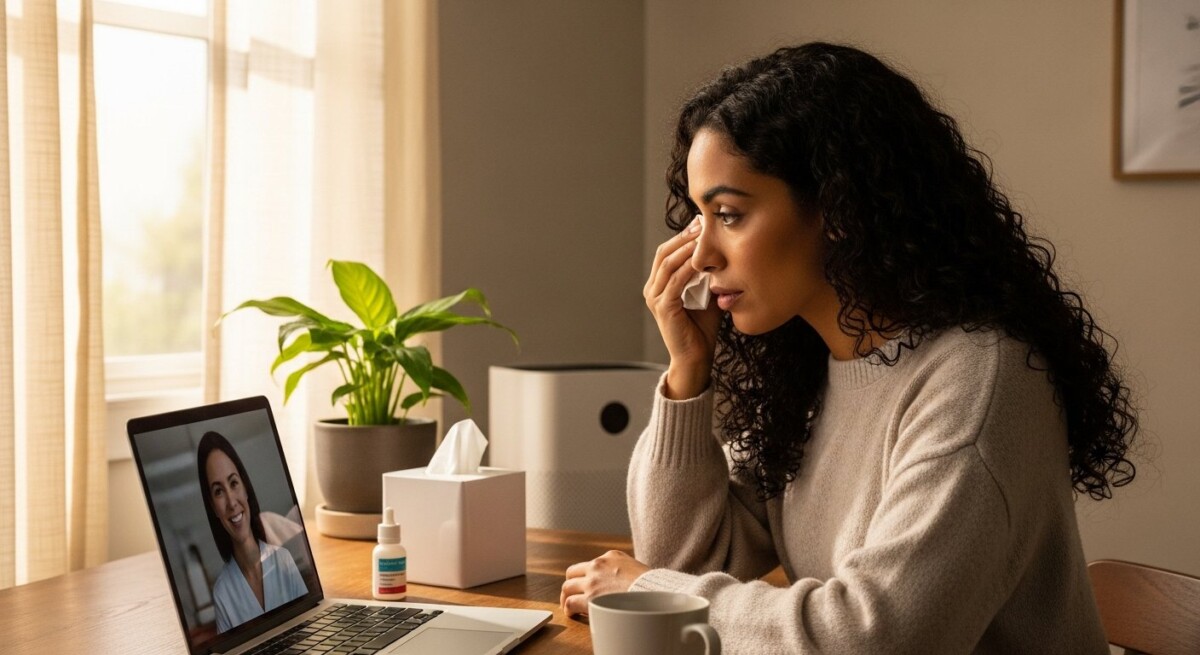
Imagine waking up with itchy, red, watery eyes in the middle of winter, long after the pollen season has passed. For millions of people, eye allergies are not just a springtime nuisance. They are a persistent, year-round challenge triggered by indoor allergens like dust mites, pet dander, and mold. The discomfort can interfere with work, sleep, and daily life. But with a structured approach, you can take control. This article provides a comprehensive checklist for managing eye allergy symptoms year round, helping you identify triggers, build effective habits, and know when to seek professional care.
Understanding the Year-Round Threat: Indoor and Outdoor Triggers
To manage eye allergies effectively, you first need to understand what causes them. The immune system overreacts to a harmless substance (an allergen) by releasing histamine, which leads to inflammation, itching, and tearing. While seasonal allergies (hay fever) are linked to pollen from trees, grasses, and weeds, perennial allergies persist throughout the year because the triggers live indoors. Common perennial allergens include dust mite droppings, cockroach debris, mold spores, and pet dander (skin flakes, saliva, and urine). Even outdoor allergens like pollen can become a year-round issue if you live in a climate with long growing seasons or if indoor air circulation brings them inside. Recognizing that your environment is the primary source of your symptoms is the first step in this checklist for managing eye allergy symptoms year round. Once you identify your specific triggers, you can target your efforts with precision.
Your Daily Environmental Control Checklist
Consistency is key. Small daily actions can dramatically reduce your allergen exposure and prevent symptoms before they start. Think of this as your first line of defense. The goal is to create a low-allergen zone in your home, especially in your bedroom where you spend a third of your life. Below are the essential steps to integrate into your routine.
- Wash bedding weekly in hot water (130°F or higher). Dust mites cannot survive this temperature. Use allergen-proof covers on pillows and mattresses.
- Vacuum carpets and upholstery with a HEPA-filter vacuum. Standard vacuums can blow allergens back into the air. A HEPA filter traps them effectively.
- Keep humidity below 50%. Dust mites and mold thrive in high humidity. Use a dehumidifier in damp areas like basements and bathrooms.
- Wipe down surfaces with a damp cloth. Dry dusting just spreads allergens. A damp cloth traps them and removes them from your environment.
- Shower and change clothes after being outdoors. Pollen and mold spores cling to hair, skin, and fabric. Washing them off prevents transfer to your bedding and furniture.
These five actions form the foundation of your daily defense. They are not complicated, but they require discipline. Many people find that setting a specific time each day (for example, a quick evening wipe-down and a change of clothes) makes the habit stick. Over time, these small efforts compound into a significant reduction in symptom severity. If you are unsure about the specific allergens in your home, an at-home test kit can help identify mold or dust mite levels, giving you a clearer target for your cleaning efforts.
Medication and Treatment Options: What Works Best
Even with perfect environmental control, some symptoms may still break through. This is where a targeted treatment plan comes in. Over-the-counter (OTC) options include antihistamine eye drops (like ketotifen), mast cell stabilizers, and lubricating drops (artificial tears) that wash allergens away. However, not all eye drops are created equal. Some decongestant drops can cause rebound redness if used for more than a few days. For persistent or moderate-to-severe symptoms, prescription-strength medications are often more effective and safer for long-term use. A board-certified healthcare provider can recommend the right approach for your specific case. In fact, many patients find that a combination of a daily antihistamine pill (oral) and prescription eye drops provides the best relief. For those who prefer the convenience of telemedicine, platforms like DoctorsHome offer online consultations where a licensed medical professional can review your symptoms and, if appropriate, prescribe eye allergy medication. This is especially valuable for year-round sufferers who need ongoing management without frequent in-office visits. As you follow this checklist for managing eye allergy symptoms year round, keep a log of which treatments work and which do not. Share this log with your doctor during consultations to fine-tune your plan.
When to See a Doctor: Red Flags and Next Steps
Most eye allergy symptoms can be managed at home, but certain signs indicate you need professional medical attention. Do not ignore these red flags. They could signal a more serious condition like an eye infection, corneal abrasion, or even an autoimmune disease. If you experience any of the following, schedule a consultation promptly: severe eye pain, sudden vision changes (blurriness, double vision, or loss of vision), sensitivity to light (photophobia), thick or stringy discharge (especially if it is yellow or green), or symptoms that do not improve after a week of consistent OTC treatment. Additionally, if you have a history of glaucoma or other eye diseases, always consult a doctor before using any new eye drop. A telemedicine visit is a fast and convenient way to discuss these concerns with a licensed provider from the comfort of your home. They can help you differentiate between allergies and infections, which is critical because treatments differ. For example, using an antihistamine drop on a bacterial infection will not help and may even worsen the condition. In our guide on preparing for a doctor appointment, we explain how to organize your symptoms and questions for the most productive visit.
Building a Long-Term Prevention Routine
Year-round management is not just about reacting to symptoms. It is about building a proactive lifestyle that minimizes your body’s allergic response. This includes strengthening your overall immune system through adequate sleep, a balanced diet rich in anti-inflammatory foods (like omega-3 fatty acids from fish and flaxseed), and regular exercise (which can help clear nasal passages and reduce inflammation). Another powerful tool is using a saline nasal rinse or neti pot to flush allergens from your nasal passages, which can indirectly reduce eye symptoms because the eyes and nose are connected through the tear ducts. Consider upgrading your home’s air quality with a HEPA air purifier in the rooms you use most. Finally, keep a symptom diary. Note the date, time, severity, and possible trigger (e.g., after cleaning the bedroom, after being near a cat). Over several months, patterns will emerge that allow you to anticipate and avoid flare-ups. This long-term perspective transforms the checklist for managing eye allergy symptoms year round from a chore into a sustainable health habit.
Frequently Asked Questions
Can eye allergies be cured permanently?
There is no permanent cure for eye allergies, but symptoms can be very well controlled with a combination of avoidance, medication, and immunotherapy (allergy shots or drops). Many people achieve complete relief with consistent management. The goal is to reduce the immune system’s overreaction, not to eliminate it.
Are prescription eye drops better than over-the-counter ones?
It depends on the severity of your symptoms. For mild cases, OTC antihistamine drops (like ketotifen) work well. For moderate to severe cases, prescription drops (such as olopatadine or azelastine) are often more potent and can be used longer without side effects. A doctor can help you choose the best option.
How do I know if I have eye allergies or an infection?
Eye allergies usually cause itching, redness, and watery discharge in both eyes. Infections (like pink eye) often cause a gritty feeling, thick discharge (yellow or green), and may affect only one eye initially. If you have pain or vision changes, see a doctor immediately. If you are not sure, a telemedicine consultation can help differentiate the two.
Can I wear contact lenses if I have eye allergies?
Yes, but with precautions. During a flare-up, switch to daily disposable lenses to avoid allergen buildup. Use rewetting drops (preservative-free) frequently, and never sleep in your lenses. If symptoms are severe, stop wearing contacts until the eyes are calm. Consult your eye doctor for personalized advice.
Managing eye allergies is a continuous process, but it does not have to be overwhelming. By following this checklist for managing eye allergy symptoms year round, you can reduce the frequency and intensity of flare-ups. Start with environmental controls, build a reliable treatment plan with professional guidance, and listen to your body. For persistent symptoms, consider a telemedicine visit with a licensed provider to discuss prescription options. With the right habits and support, clear, comfortable eyes are possible every day of the year. For more information on managing your eye health, explore the resources on effective financial strategies to ensure you have the resources for your healthcare needs.
About the Author: Anthony Collins





Sign up for our newsletter and Save 20% on Test Kits
"*" indicates required fields