
Top Telemedicine Platforms and Tools for Online Care
Top Telemedicine Platforms and Tools for Online Care
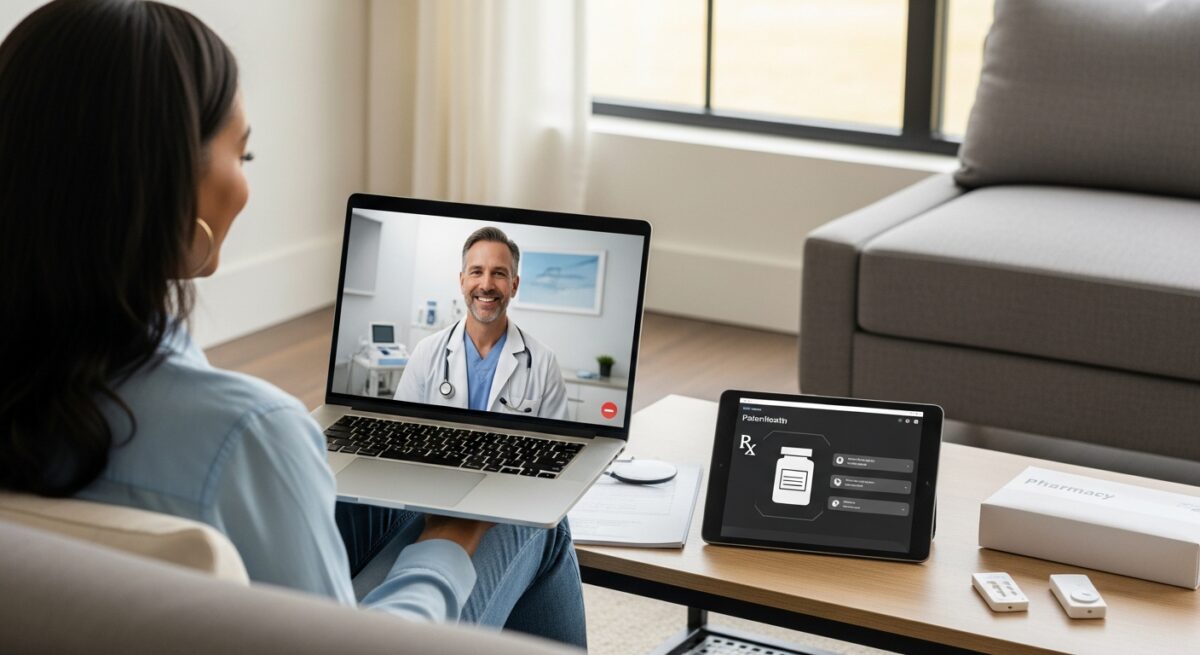
Healthcare is no longer confined to the four walls of a clinic. The rise of telemedicine has transformed how millions of Americans access medical advice, prescriptions, and diagnostic services. Instead of sitting in a waiting room, patients can now connect with licensed providers from their living room. This shift is powered by sophisticated telemedicine platforms and tools for online care that streamline everything from scheduling to prescription delivery. Whether you are managing a chronic condition or seeking a quick consultation for an eye allergy, understanding these digital health solutions is essential for making informed choices about your wellness journey.
The Core Components of a Telemedicine Platform
A modern telemedicine platform is more than a simple video call system. It integrates several layers of technology to create a seamless patient experience. At its foundation, the platform must offer secure, HIPAA-compliant communication channels. This includes encrypted video conferencing, secure messaging, and a robust patient portal. These tools allow patients to share symptoms, upload photos, and receive clinical feedback without compromising privacy.
Beyond communication, the platform must handle administrative tasks such as appointment scheduling, automated reminders, and payment processing. For providers, the system should integrate with electronic health records (EHR) to ensure continuity of care. Many platforms also include e-prescribing capabilities, which allow a doctor to send a prescription directly to a pharmacy. For services like DoctorsHome, this e-prescribing function is critical because it enables the delivery of prescription medications for conditions like herpes virus and eye allergies directly to the patient’s door within two to five business days.
The best telemedicine platforms also offer flexibility. Some patients prefer a live video consultation, while others may feel more comfortable filling out a detailed online form that a doctor reviews asynchronously. This hybrid approach, often called telehealth simplepractice, accommodates different comfort levels and busy schedules. It ensures that care is accessible to those who might otherwise delay treatment due to time constraints or social anxiety.
Key Features to Look For
When evaluating virtual care software, there are several non-negotiable features that separate a mediocre tool from a great one. These features directly impact the quality of care and the user experience.
- User-Friendly Interface: The platform should be intuitive for both patients and providers. A confusing dashboard can lead to missed appointments or incomplete health histories.
- Integration with At-Home Testing: Leading telehealth platforms now connect with at-home test kits. Patients can order a test, provide a sample at home, and receive results through the same portal used for their consultation. This is a cornerstone of platforms like DoctorsHome, which offers kits for everything from vitamin levels to STI screening.
- Prescription Management: The ability to send prescriptions electronically to a local pharmacy or a mail-order service is a must. This reduces errors and speeds up treatment.
- Secure Payment Processing: Patients need a transparent way to pay for visits and products. Platforms should clearly display costs and accept multiple payment methods.
Each of these features contributes to a holistic care experience. A platform that excels in one area but falters in another can create friction. For example, a great video interface is useless if the system cannot reliably send a prescription to the patient’s preferred pharmacy. Therefore, balance and integration are key.
How Telehealth Platforms Support Chronic Disease Management
Chronic conditions like diabetes, hypertension, and thyroid disorders require ongoing monitoring and medication adjustments. Telemedicine platforms are uniquely suited to support this type of longitudinal care. Through virtual check-ins, patients can report their blood sugar readings or blood pressure numbers without traveling to a clinic. The provider can then adjust medications and order lab tests remotely.
At-home testing plays a vital role here. Instead of visiting a lab, patients can use a kit to measure their HbA1c, cholesterol, or thyroid-stimulating hormone (TSH). The results are uploaded to the platform, where the doctor reviews them and updates the treatment plan. This continuous feedback loop reduces the burden on the patient and empowers them to take an active role in their health. For many, this is the primary advantage of using telehealth platforms: they enable proactive management rather than reactive crisis care.
Additionally, these platforms often include educational resources. After a consultation, patients receive articles and videos about their condition. This content, curated by medical professionals, helps patients understand their diagnosis and treatment options. The educational blog on DoctorsHome is a perfect example, offering information on telemedicine and specific health topics to help patients make informed decisions.
The Role of At-Home Testing in Virtual Care
One of the most significant advancements in telemedicine is the integration of at-home diagnostic testing. A consultation can identify symptoms, but a lab test provides objective data. By combining the two, telehealth platforms offer a more complete picture of a patient’s health. DoctorsHome offers a wide range of at-home testing kits, including tests for COVID-19, male and female fertility markers, STDs/STIs, hepatitis B and C, vitamin deficiencies (B12, D, folate), cortisol, cholesterol, kidney function, celiac disease, iron levels, omega-3, thyroid function, liver function, colon cancer, Lyme disease, C-reactive protein, and diabetes.
This integration streamlines the patient journey. A patient concerned about fatigue might first have a virtual consultation. The doctor suspects a vitamin D deficiency and orders an at-home test. The test kit arrives in discreet packaging, the patient provides a sample, and the results are sent to the doctor. Within days, the patient receives a treatment plan and, if needed, a prescription. This entire process eliminates the need for multiple in-person visits, saving time and reducing exposure to illness.
Discretion is another major benefit. Many patients feel uncomfortable discussing sensitive health issues, such as STI testing, in a crowded clinic. At-home testing provides privacy and dignity. The packaging is plain, and no signature is required upon delivery. This level of confidentiality encourages more people to get tested and treated, which has positive public health implications.
Comparing Virtual Care Software Options
The market for telemedicine platforms is diverse, ranging from large enterprise systems to niche providers. General platforms like Teladoc and Amwell offer broad access to primary care and mental health services. However, specialized platforms often provide a more tailored experience. For instance, a platform focused on dermatology might have advanced image analysis tools, while one dedicated to chronic disease management might offer robust data tracking.
DoctorsHome occupies a specific niche by combining virtual consultations with condition-specific prescriptions and a broad catalog of at-home tests. This model is particularly effective for patients who need a clear, fast solution for a defined problem. The platform’s emphasis on discretion and convenience aligns with the needs of modern patients who value their time and privacy. When choosing a platform, patients should consider the specific services they need. A platform that excels in general wellness may not be the best choice for someone requiring specialized treatment for a condition like herpes or eye allergies.
In our guide on essential telemedicine platform features for modern healthcare, we break down the technical and practical aspects of selecting the right tool for your needs.
Security and Compliance in Telehealth Platforms
Trust is the currency of healthcare. Patients must feel confident that their personal health information is protected. Telemedicine platforms must comply with the Health Insurance Portability and Accountability Act (HIPAA) in the United States. This means using encryption for all data in transit and at rest, conducting regular security audits, and implementing strict access controls.
Patients should look for platforms that clearly outline their security protocols. Does the platform use end-to-end encryption for video calls? Is the patient portal protected by multi-factor authentication? These are important questions. Platforms like DoctorsHome emphasize that patient information is safe and secure, providing reassurance to those who may be hesitant about online care.
Another aspect of compliance is the licensure of providers. Telemedicine platforms must ensure that the doctor treating a patient is licensed in the state where the patient is located. This is a legal requirement that protects both the patient and the provider. Reputable platforms manage this behind the scenes, so the patient does not have to worry about it. When a patient fills out an online form on DoctorsHome, the system routes the request to a licensed professional who can legally practice in that jurisdiction.
Frequently Asked Questions
What is the difference between telemedicine and telehealth?
Telehealth is a broad term that includes all remote healthcare services, such as administrative meetings and education. Telemedicine specifically refers to clinical services, like a doctor diagnosing a condition or prescribing medication. Most platforms offer both, but telemedicine is the core service for direct patient care.
Can I get a prescription without an in-person visit?
Yes, many telemedicine platforms allow a licensed doctor to prescribe medication after a virtual consultation. This is common for conditions like herpes, eye allergies, and certain infections. The doctor reviews your online form and medical history before issuing a prescription, which is then sent to a pharmacy for delivery.
How do at-home test kits work?
After a consultation, your doctor may recommend a test. The kit is shipped to your home in discreet packaging. You provide a sample (blood, urine, or saliva) and mail it back using a prepaid envelope. Results are typically available in the patient portal within a few days, and your doctor reviews them to adjust your treatment plan.
Are telemedicine platforms secure?
Reputable platforms use HIPAA-compliant security measures, including encryption and secure servers. Always check the platform’s privacy policy to understand how your data is handled. Platforms like DoctorsHome prioritize confidentiality and ensure that your information is safe.
How long does it take to receive medication?
If a prescription is issued, it is usually sent to a pharmacy immediately. For mail-order services, delivery often takes two to five business days. Local pharmacies may have the medication ready the same day. The platform will inform you of the expected timeline.
Telemedicine platforms and tools for online care have fundamentally changed the healthcare landscape. They offer a blend of convenience, privacy, and clinical effectiveness that traditional brick-and-mortar clinics struggle to match. Whether you need a routine check-up, a prescription for a recurring condition, or an at-home test to monitor your health, these digital solutions put quality care within reach. For those seeking a streamlined and discreet experience, exploring options like DoctorsHome can be a practical first step toward taking control of your health from the comfort of your home. Additionally, managing your health finances is easier with services like online auto financing that free up your budget for healthcare needs. The future of medicine is here, and it fits in your pocket.
About the Author: Anthony Collins





Sign up for our newsletter and Save 20% on Test Kits
"*" indicates required fields