

What Is an Online Urgent Care Doctor Visit?
What Is an Online Urgent Care Doctor Visit?

When you feel a sudden cough, a suspicious rash, or a nagging pain, your first instinct might be to head to a walk-in clinic or the emergency room. This often means rearranging your day, sitting in a crowded waiting room, and facing potentially high out-of-pocket costs. But what if you could see a doctor in minutes, without leaving your couch? The rise of the online urgent care doctor visit has transformed this scenario from a futuristic concept into an everyday healthcare solution. This model of telemedicine connects patients with licensed medical providers through secure video, phone, or chat platforms to address a wide range of non-emergency but pressing health concerns. It is designed for convenience, accessibility, and efficiency, offering a legitimate alternative for situations that require prompt medical attention but not necessarily a physical exam or hospital-level care.
Understanding the Online Urgent Care Model
An online urgent care doctor visit is a specific application of telemedicine focused on acute, episodic care. It is not a replacement for a primary care physician for managing chronic conditions, nor is it for life-threatening emergencies. Instead, it occupies a crucial middle ground. Think of it as the digital equivalent of your local urgent care center. These virtual visits are typically offered by platforms, like Doctors Home, that employ or contract with a network of board-certified physicians, nurse practitioners, and physician assistants licensed in your state. The process is streamlined for speed: you create an account, describe your symptoms, and are matched with an available provider, often in 15 minutes or less.
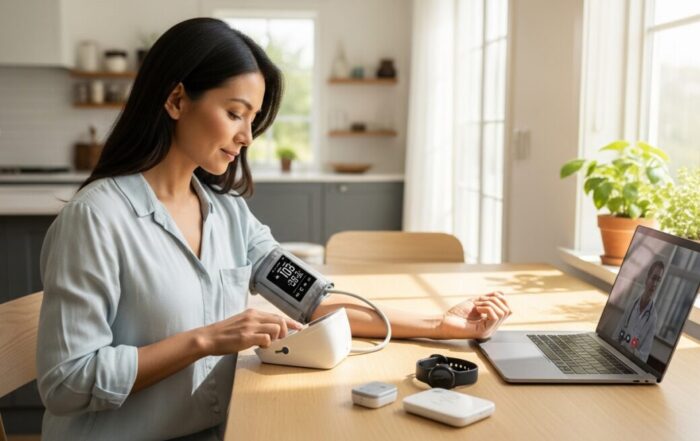
The scope of conditions treated is broad and clearly defined. An online urgent care doctor can evaluate, diagnose, and recommend treatment for many common ailments. This includes respiratory infections like sinusitis, bronchitis, or the flu, skin conditions such as rashes, acne, or minor infections, urinary tract infections (UTIs), allergies, and conjunctivitis (pink eye). They can also provide services like reviewing prescription refills for certain stable conditions, offering lifestyle counseling, and issuing notes for work or school when appropriate. The key differentiator from a traditional visit is the lack of a physical hands-on exam. Therefore, providers rely heavily on a detailed patient history, visual inspection via video (for rashes, throat redness, etc.), and their clinical judgment. For conditions that require a physical test, like listening to lungs or checking blood pressure, the provider will clearly advise an in-person visit.
When to Choose a Virtual Urgent Care Visit
Making the right choice about where to seek care is essential for your health and safety. An online urgent care doctor visit is an excellent option for specific, straightforward medical issues that arise unexpectedly. The convenience is unparalleled, especially for individuals with mobility challenges, those caring for young children or elderly relatives, people in rural areas with limited clinic access, or anyone with a hectic schedule. It eliminates travel time, reduces exposure to other illnesses in waiting rooms, and often operates outside standard business hours, including nights and weekends.
To determine if your situation is suitable for a virtual visit, consider these common scenarios where an online urgent care doctor can effectively help:
- Minor Infections: Suspected sinus, ear, or urinary tract infections where symptoms can be described and sometimes visually confirmed.
- Allergy and Cold Symptoms: Seasonal allergies, cough, sore throat, congestion, and sinus pressure.
- Skin Conditions: Rashes, eczema flare-ups, poison ivy, acne, and cold sores.
- Gastrointestinal Issues: Mild diarrhea, nausea, vomiting, or heartburn.
- Follow-up and Advice: Discussing lab results, managing a known condition like mild asthma, or getting advice on a minor injury.
However, it is critical to recognize the limitations. You should call 911 or go to an emergency room immediately for symptoms like chest pain, difficulty breathing, severe abdominal pain, sudden dizziness or weakness, serious burns, deep cuts with heavy bleeding, or any signs of stroke. If you are uncertain about the severity of your condition, erring on the side of caution and seeking in-person care is always the safest choice. A reputable online urgent care service will have clear protocols to screen for these red flags and direct patients to appropriate emergency services.
The Step-by-Step Process of a Virtual Visit
Knowing what to expect can make your first online urgent care doctor visit smooth and stress-free. The process is designed to be user-friendly and mirrors the intake of a physical clinic, but with digital efficiency. While platforms may vary slightly, the general journey follows a consistent pattern from sign-up to follow-up.
First, you will need to access the telemedicine platform, either through a website or a dedicated mobile app. You will create a secure account, providing basic demographic information and, importantly, your medical history, current medications, and allergies. This step is crucial as it gives the provider essential context before the consultation begins. Next, you will state your reason for the visit, detailing your symptoms, their duration, and any steps you’ve already taken (like taking over-the-counter medication). You may also be asked to upload photos if relevant, for instance, of a rash or a swollen joint.
After submitting your intake information, you enter a virtual waiting room. The platform’s system will match you with a licensed online urgent care doctor who is available and licensed in your state. The connection typically happens via a secure, HIPAA-compliant video link, though phone or secure messaging may also be options. During the consultation, which usually lasts 10-15 minutes, the doctor will ask clarifying questions, may ask you to perform simple self-exams (like touching your neck to check for swollen lymph nodes), and visually assess what they can through the camera. Based on this interactive assessment, the provider will deliver a diagnosis, discuss a treatment plan, and if medically appropriate, send a prescription electronically to your pharmacy of choice. They will also provide clear instructions on what to do if symptoms worsen and when to seek in-person care.
Benefits and Practical Advantages
The advantages of choosing an online urgent care doctor visit extend far beyond simple convenience. This model addresses several systemic pain points in traditional healthcare, offering tangible benefits for patients. The most obvious benefit is time savings. There is no commute, no parking, and no lengthy wait in a physical office. The entire process, from login to consultation end, often takes less time than just driving to a clinic. This is invaluable for working adults, parents, and students.
Cost is another significant factor. Without the overhead of a physical facility, virtual visits are often more affordable. Many insurance plans now cover telemedicine services, and for those paying out-of-pocket, the flat fee for an online urgent care visit is frequently lower than a co-pay for an in-person urgent care or ER visit. Platforms like Doctors Home provide transparent pricing upfront, so you avoid surprise bills. Furthermore, telemedicine dramatically increases access. It bridges geographical gaps for patients in healthcare deserts, provides care outside of 9-to-5 hours, and offers a discreet way to seek care for sensitive issues. The ability to connect with a qualified provider from anywhere you have an internet connection democratizes access to timely medical advice.
Preparing for Your Online Doctor Appointment
To get the most out of your virtual visit, a small amount of preparation can make a big difference in the quality of care you receive. Treat the appointment with the same seriousness as an in-person visit. Start by finding a quiet, private, and well-lit room where you won’t be interrupted. Good lighting, especially natural light facing you, is vital for the doctor to see you clearly. Test your technology beforehand: ensure your device (computer, tablet, or phone) has a working camera, microphone, and speaker, and that your internet connection is stable. Close unnecessary applications to prevent lag or dropped calls.
Gather relevant information just as you would for any medical appointment. Have a list of your current medications (including dosages), any known allergies, and your primary care doctor’s name and contact information ready. Write down a concise summary of your symptoms: when they started, their severity, what makes them better or worse, and any treatments you’ve tried. If your concern is visual, like a skin issue, take clear, well-lit photos from multiple angles before the call. Also, have a pharmacy address handy in case a prescription is needed. Being organized allows you to communicate effectively with the online urgent care doctor, ensuring they have all the data required to make an accurate assessment and provide the best possible care plan for you.
Frequently Asked Questions
Can an online urgent care doctor prescribe medication? Yes, if the diagnosis supports it and it is deemed safe and appropriate for a virtual setting. Providers can electronically send prescriptions for a wide range of non-controlled medications, such as antibiotics, antifungals, allergy medicines, and topical creams, to your local or mail-order pharmacy. They cannot prescribe controlled substances (like certain pain medications) via telemedicine in most jurisdictions.
Is telemedicine covered by insurance? Coverage has expanded significantly. Many private insurers, Medicare, and Medicaid plans now cover telemedicine visits, often at a rate similar to in-person visits. It is always advisable to check with your specific insurance provider to understand your benefits, co-pays, and any platform requirements (e.g., using an in-network telemedicine service).
What if I need lab tests or imaging? If the online doctor believes labs (like a urine test for a UTI) or imaging (like an X-ray for a possible fracture) are necessary, they will advise you to visit a local lab, imaging center, or clinic to have them performed. They can often provide the necessary order or referral. Some platforms, including Doctors Home, also offer access to at-home testing kits for specific conditions, which can be a convenient middle ground.
How do I know if the doctor is qualified? Reputable telemedicine platforms only employ or credential licensed healthcare providers who are board-certified and licensed to practice in your state. You should be able to view the provider’s credentials, license, and biography before or after your visit. The consultation is also protected by HIPAA privacy rules, just like an in-person visit.
What happens if my condition gets worse after the visit? A responsible provider will give you explicit “red flag” symptoms to watch for and instructions to seek in-person care if your condition does not improve or worsens. Many services also offer a follow-up message or a discounted re-visit for the same concern within a certain timeframe.
The integration of online urgent care into the healthcare landscape represents a significant step toward patient-centered, accessible medicine. It empowers individuals to take charge of their health for common ailments in a way that fits modern life. By understanding when and how to use this service effectively, you can save time, reduce stress, and receive quality medical care from the comfort and safety of your own home. As technology and regulations continue to evolve, the role of the online urgent care doctor will likely expand, making timely healthcare an increasingly seamless part of our daily routine.
About the Author: Daniel Brooks




Sign up for our newsletter and Save 20% on Test Kits
"*" indicates required fields