

Virtual Doctor for Anxiety Treatment Options and Medication
Virtual Doctor for Anxiety Treatment Options and Medication

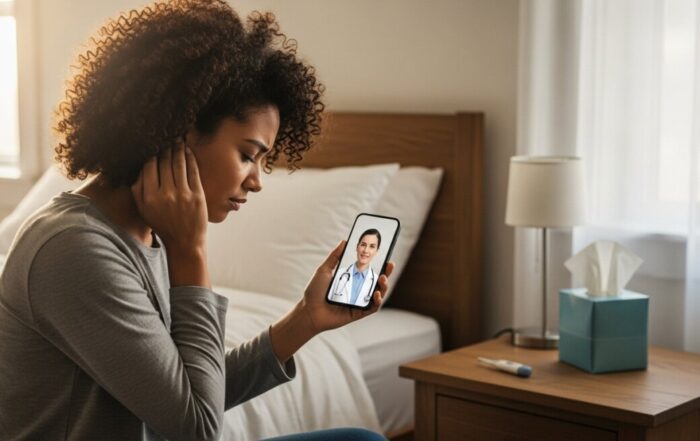
Anxiety can feel like a constant, unwelcome companion, disrupting your focus, sleep, and overall well-being. Yet, seeking help for it has often been hindered by long wait times for appointments, the stigma of walking into a therapist’s office, or simply the logistical challenge of fitting another commitment into a busy schedule. Today, a powerful and accessible solution has emerged: the virtual doctor for anxiety treatment options. This model of care leverages secure video, phone, and messaging platforms to connect you directly with licensed healthcare professionals who can assess your symptoms, discuss a personalized treatment plan, and, when appropriate, provide a prescription for anxiety medication. It represents a fundamental shift towards making mental healthcare more convenient, private, and immediate.
Understanding How a Virtual Doctor Addresses Anxiety
The core function of a virtual doctor in managing anxiety is to provide a comprehensive, evidence-based evaluation and create a tailored management strategy. This process mirrors an in-person visit in its clinical rigor but occurs within the digital space. It begins with a detailed intake, where you discuss your specific symptoms, their duration, and their impact on your daily life. The licensed provider, which could be a psychiatrist, psychiatric nurse practitioner, or other qualified professional depending on the platform, will explore potential contributing factors and may screen for other conditions that can mimic or co-occur with anxiety, such as thyroid disorders or depression.
Following the assessment, the virtual doctor collaborates with you to outline a treatment plan. This plan is rarely one-dimensional. Instead, it typically integrates multiple approaches. The provider can educate you on therapeutic techniques like cognitive behavioral therapy (CBT) principles, recommend digital cognitive behavioral therapy programs or mindfulness apps, and discuss lifestyle modifications involving sleep, nutrition, and exercise. Crucially, if medication is deemed a beneficial component of your treatment, the virtual doctor can prescribe it. They will explain the options, potential side effects, and the importance of follow-up. This holistic approach ensures you are not simply receiving a prescription, but are being guided towards sustainable management of your anxiety.
The Spectrum of Anxiety Treatment Options Available Online
Consulting a virtual doctor for anxiety opens the door to a wide array of treatment modalities. The modern understanding of anxiety management emphasizes a combination of interventions, and telehealth platforms are uniquely positioned to facilitate this integrated care model.
Psychotherapy, particularly CBT, is a first-line treatment for many anxiety disorders. Many virtual care platforms offer direct access to licensed therapists for ongoing talk therapy via video sessions. Furthermore, providers often prescribe or recommend structured digital therapeutic programs. These are app-based platforms that deliver CBT and other evidence-based interventions through interactive lessons and exercises, allowing you to build skills at your own pace. Medication management is another cornerstone. A virtual doctor for anxiety medication can prescribe and manage a range of FDA-approved medications, such as SSRIs (selective serotonin reuptake inhibitors) or SNRIs (serotonin-norepinephrine reuptake inhibitors), which are commonly used for long-term management. They can also discuss other classes of medication for specific situations. The process for obtaining these prescriptions is straightforward and secure, as detailed in our guide on how to get a prescription through a virtual doctor consultation.
Beyond these primary options, virtual care excels at supporting ancillary strategies. Your provider can offer guidance on:
- Lifestyle and Behavioral Modifications: Creating actionable plans for improving sleep hygiene, incorporating regular physical activity, and practicing stress-reduction techniques like deep breathing or progressive muscle relaxation.
- Mindfulness and Meditation: Recommending specific apps or resources to help cultivate mindfulness, which has proven benefits for reducing anxiety reactivity.
- Educational Resources: Providing reputable articles, videos, or worksheets to help you better understand your anxiety and the rationale behind your treatment plan.
Key Benefits of Choosing a Virtual Doctor for Anxiety Care
The advantages of using a telehealth platform for anxiety treatment extend far beyond simple convenience. They address many of the traditional barriers to mental healthcare, making consistent support more achievable. The most immediate benefit is unparalleled access. You can connect with a qualified provider from your home, office, or any private space with an internet connection, eliminating travel time, transportation issues, and the need to take extensive time off work. This is especially critical for those living in rural areas with few local mental health specialists.
Privacy and reduced stigma are equally significant. The ability to attend appointments discreetly from a familiar environment can make the first step of seeking help feel less daunting. Scheduling flexibility is another major plus, with many platforms offering evening and weekend appointments to fit around your life. Furthermore, continuity of care is often enhanced. Secure messaging allows for easy check-ins between scheduled video visits, enabling you to ask quick questions about medication side effects or report on your progress, fostering a more responsive and supportive therapeutic relationship.
What to Expect During Your Virtual Consultation
Knowing what to expect can help you feel prepared and get the most out of your first virtual visit. The process typically starts with a straightforward online registration where you provide basic medical history and details about your current symptoms. Before your appointment, ensure you are in a quiet, private location with a stable internet connection. Have a list of your current medications (including dosages), any previous mental health treatments, and a brief note about your primary concerns ready.
During the consultation, the provider will conduct a thorough interview. Be prepared to discuss:
- The specific nature of your anxiety (e.g., constant worry, panic attacks, social fear).
- How long you have been experiencing these symptoms.
- How the symptoms affect your work, relationships, and daily activities.
- Any past treatments for anxiety or other mental health conditions.
- Your medical history and any current physical health issues.
The provider will use this information to formulate a diagnosis and discuss a personalized plan. If medication is part of the plan, they will explain the choice, how to take it, what to expect, and schedule a follow-up to monitor your response. The prescription is then sent electronically to a pharmacy of your choice for pickup or delivery.
Limitations and Important Considerations for Virtual Treatment
While virtual care is a transformative tool, it is not suitable for every situation. It is essential to understand its boundaries. Virtual doctors are an excellent resource for assessment, management, and ongoing care for mild to moderate anxiety disorders. However, they are not a replacement for emergency services. If you are experiencing a crisis, having thoughts of harming yourself or others, or are in immediate danger, you must call 911 or go to the nearest emergency room. Virtual platforms also have limitations regarding controlled substances; regulations vary by state, but most telehealth providers cannot prescribe certain controlled medications often used for anxiety, such as benzodiazepines, on an initial virtual visit due to federal and state laws.
The success of virtual treatment also depends on your own environment and comfort with technology. You need a private space to talk openly and a reliable device. Furthermore, while telehealth breaks down many geographic barriers, providers must be licensed in the state where you are physically located during the visit. Always verify that the platform you choose employs licensed, credentialed professionals who adhere to strict privacy standards (like HIPAA compliance) to protect your health information.
Frequently Asked Questions About Virtual Anxiety Treatment
Can a virtual doctor really diagnose anxiety accurately? Yes. Licensed psychiatrists and psychiatric nurse practitioners are trained to conduct diagnostic interviews via telehealth. They use the same clinical criteria as in-person visits. The quality of the assessment depends on your open communication and the provider’s expertise, not the medium.
What kinds of anxiety medication can a virtual doctor prescribe? A virtual doctor for anxiety medication can typically prescribe non-controlled medications that are first-line treatments for anxiety disorders. This includes SSRIs (like sertraline or escitalopram), SNRIs (like venlafaxine), and certain other medications like buspirone. Regulations surrounding controlled substances are strict and vary.
How often will I need follow-up appointments? Frequency depends on your treatment plan. When starting a new medication, a follow-up in 2-4 weeks is common to check efficacy and side effects. Once stable, appointments may be spaced out to every 3-6 months. Many platforms allow for brief check-ins via messaging.
Is virtual anxiety treatment covered by insurance? Many major insurers now cover telehealth visits similarly to in-person visits. It is crucial to check with your specific insurance provider and the telehealth platform to understand your coverage, copays, and any network requirements.
What if I need a therapist for regular talk therapy in addition to medication? Many comprehensive telehealth platforms offer integrated care, providing access to both prescribing providers and licensed therapists. This allows for seamless collaboration on your treatment, which is considered a best-practice model.
Navigating anxiety is a journey, but you don’t have to navigate it alone or face unnecessary obstacles to get help. The emergence of the virtual doctor for anxiety treatment options has democratized access to professional, effective care. By combining the clinical expertise of licensed providers with the convenience and privacy of digital technology, this model empowers you to take the first step towards managing your anxiety from a place of comfort and safety. It represents a practical, modern pathway to building a personalized treatment plan that can help you regain a sense of control and improve your quality of life.
About the Author: Emily Rodriguez




Sign up for our newsletter and Save 20% on Test Kits
"*" indicates required fields