
Proven Ways to Improve Sleep Quality Naturally
Proven Ways to Improve Sleep Quality Naturally
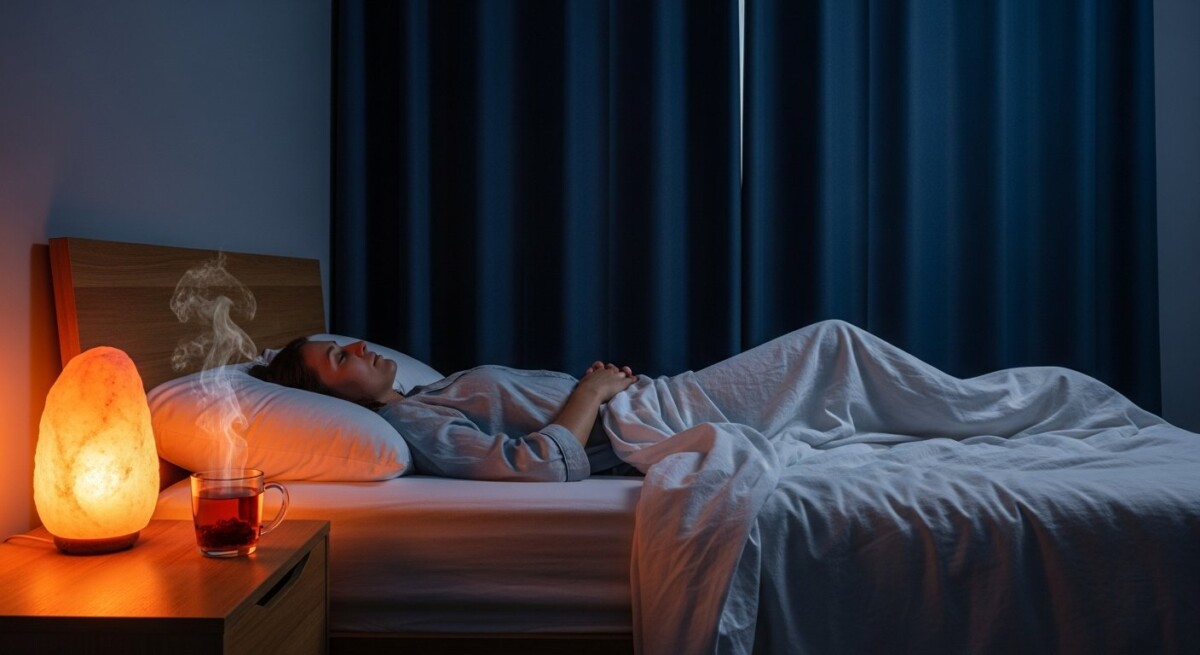
Sleep is the foundation of physical health, mental clarity, and emotional stability. Yet millions of people struggle to get the rest they need night after night. If you have been searching for practical, science-backed strategies on how to improve sleep quality, you are not alone. The good news is that small, consistent changes in your daily routine and environment can produce dramatic improvements in how well you sleep. This article explores actionable methods to help you fall asleep faster, stay asleep longer, and wake up feeling truly refreshed.
Poor sleep does not just leave you groggy. It weakens your immune system, impairs memory, increases stress hormones, and raises the risk of chronic conditions like heart disease and diabetes. Understanding how to improve sleep quality is one of the most impactful steps you can take for your long-term well-being. The following sections break down the key areas where you can make meaningful adjustments, from your bedroom setup to your daily habits and even your diet.
Optimize Your Sleep Environment for Deep Rest
Your bedroom should be a sanctuary designed for sleep. Small changes to light, temperature, and noise levels can make a significant difference. Start by making your room as dark as possible. Blackout curtains, an eye mask, or even covering electronic LEDs can help your brain produce melatonin, the hormone that regulates your sleep-wake cycle.
Temperature also plays a critical role. The ideal sleeping temperature for most adults is between 60 and 67 degrees Fahrenheit (15 to 19 degrees Celsius). A cooler room signals your body that it is time to lower its core temperature, which is a natural trigger for sleep onset. If your room is too warm, you may experience more nighttime awakenings and less restorative deep sleep.
Noise is another common disruptor. If you live on a busy street or have a partner who snores, consider using a white noise machine, a fan, or earplugs. Consistent background sound can mask sudden noises that might pull you out of deep sleep. Finally, invest in a comfortable mattress and pillows that support your preferred sleeping position. Your bed should invite relaxation, not cause aches and stiffness.
Establish a Consistent Sleep Schedule
One of the most effective ways to improve sleep quality is to go to bed and wake up at the same time every day, including weekends. This reinforces your body’s internal clock, known as the circadian rhythm. When your sleep schedule is consistent, your body learns to anticipate sleep and wakefulness, making it easier to fall asleep and wake naturally without an alarm.
If you shift your bedtime by more than an hour on weekends, you create a phenomenon called social jet lag. This disrupts your circadian rhythm and can make Monday morning feel especially brutal. To avoid this, try to keep your sleep window within a 60-minute range every day. If you need to adjust your schedule, do it gradually by moving your bedtime 15 minutes earlier each night until you reach your target.
Waking up at the same time is even more important than your bedtime. A consistent wake time anchors your entire sleep cycle. Even if you had a poor night of sleep, resist the urge to sleep in. Instead, get up at your regular time, expose yourself to bright light, and your body will naturally build sleep pressure for the following night.
Use a Relaxing Bedtime Routine to Wind Down
Your brain needs time to transition from the high-stimulation activities of the day to a state of calm rest. A pre-sleep routine signals to your nervous system that it is time to slow down. This routine should start 30 to 60 minutes before you plan to sleep. The goal is to lower your heart rate, reduce mental chatter, and prepare your body for rest.
Try these calming activities as part of your wind-down ritual:
- Read a physical book (avoid screens) for 15-20 minutes.
- Practice gentle stretching or restorative yoga poses.
- Write in a journal to offload worries or plan for tomorrow.
- Listen to calming music, a podcast, or guided meditation.
- Take a warm bath or shower, which helps lower your core temperature afterward.
Consistency is key here. When you repeat the same sequence of calming activities each night, your brain begins to associate those actions with sleep. Over time, just starting your routine can trigger drowsiness. Avoid stimulating activities like intense exercise, heated arguments, or watching thrilling shows during this wind-down window.
Manage Light Exposure and Screen Time
Light is the most powerful external cue that controls your circadian rhythm. Bright light, especially blue light from screens, suppresses melatonin production and tricks your brain into thinking it is still daytime. To improve sleep quality, you need to manage your light exposure both during the day and at night.
During the day, get at least 20 to 30 minutes of natural sunlight, ideally in the morning. This strengthens your internal clock and helps you feel more alert during the day. At night, dim the lights in your home about two hours before bed. Use warm, low-wattage bulbs instead of bright overhead lights. Avoid looking at your phone, tablet, or computer screen during this time. If you must use a device, enable a blue light filter or wear blue-light-blocking glasses.
Television is also a common sleep disruptor. Even if you fall asleep with the TV on, the flickering light and changing audio can prevent you from entering the deeper stages of sleep. Make your bedroom a screen-free zone if possible. Charge your phone outside the bedroom or at least face it down to avoid notifications lighting up the room.
Watch What You Eat and Drink Before Bed
Your diet has a direct impact on your sleep quality. Heavy meals, caffeine, and alcohol are common culprits that interfere with restful sleep. Aim to finish your last meal at least two to three hours before bedtime. Digestion requires energy and can raise your body temperature, both of which can make it harder to fall asleep.
Caffeine is a powerful stimulant that can stay in your system for six to eight hours. That afternoon coffee or soda might be keeping you awake at night. Try to cut off caffeine consumption by 2:00 PM, or even earlier if you are sensitive. Similarly, nicotine is a stimulant that can disrupt sleep, so avoid smoking or vaping close to bedtime.
Alcohol is a double-edged sword. While it may help you fall asleep faster, it significantly reduces sleep quality. Alcohol suppresses REM sleep and causes more frequent awakenings during the second half of the night. If you choose to drink, do so in moderation and stop at least three hours before bed. A light, sleep-friendly snack like a banana, a small bowl of oatmeal, or a handful of almonds can actually help promote sleep by providing tryptophan and magnesium.
Exercise Regularly but Time It Right
Regular physical activity is one of the best natural sleep aids. Exercise helps reduce stress, anxiety, and depressive symptoms, all of which can interfere with sleep. It also increases the amount of time you spend in deep sleep, the most physically restorative stage. People who exercise consistently report falling asleep faster and waking up less during the night.
However, timing matters. Vigorous exercise within one to two hours of bedtime can be counterproductive because it raises your heart rate, body temperature, and adrenaline levels. For most people, morning or afternoon workouts are ideal for improving sleep. If evening is your only option, opt for moderate activities like walking, yoga, or light stretching rather than high-intensity interval training or heavy weightlifting.
Aim for at least 150 minutes of moderate aerobic activity per week, such as brisk walking, cycling, or swimming. Even 10 minutes of daily exercise can make a noticeable difference. The key is consistency. Regular movement helps regulate your body’s systems, including the sleep-wake cycle, making it easier to achieve deep, uninterrupted rest.
Reduce Stress and Quiet Your Mind
Stress and anxiety are among the most common barriers to good sleep. Racing thoughts can keep you lying awake for hours. Learning to manage stress during the day can dramatically improve your ability to fall asleep at night. Cognitive behavioral techniques, mindfulness meditation, and deep breathing exercises are all effective tools.
One powerful technique is the 4-7-8 breathing method. Inhale through your nose for a count of four, hold your breath for seven counts, and exhale slowly through your mouth for eight counts. Repeat this cycle four times. This activates your parasympathetic nervous system, which promotes relaxation and lowers your heart rate. Practicing this just before bed can help quiet your mind.
Another strategy is to create a worry journal. Set aside 10 minutes earlier in the evening to write down everything that is on your mind, including tasks for the next day, worries, and unresolved problems. Once it is on paper, your brain can release it. This prevents you from ruminating on those thoughts while you are trying to sleep. If you find yourself lying awake with a racing mind, get out of bed, go to another room, and do something calming until you feel drowsy again.
Consider At-Home Testing to Identify Hidden Issues
Sometimes, poor sleep is caused by an underlying health condition that you may not be aware of. Issues like thyroid dysfunction, vitamin deficiencies, hormone imbalances, or sleep apnea can all severely impact sleep quality. If you have tried lifestyle changes and still struggle to sleep well, it may be worth investigating further.
At-home testing kits offer a convenient and discreet way to check for potential contributors to poor sleep. For example, a thyroid test can reveal hypothyroidism or hyperthyroidism, both of which affect energy and sleep. Vitamin D and B12 deficiencies are linked to fatigue and sleep disturbances. Male and female hormone panels can uncover imbalances in cortisol, testosterone, or estrogen that disrupt sleep patterns.
DoctorsHome provides a range of at-home medical testing kits that you can order online, collect a sample at home, and mail to a lab for analysis. Results are reviewed by licensed healthcare professionals, and you can discuss them during a virtual consultation. This approach allows you to identify potential root causes of poor sleep without the hassle of scheduling an in-person doctor visit. For more information on how virtual care can support your health goals, see our guide on top virtual doctor services for convenient, quality care. Addressing an underlying medical issue can be the missing piece in your quest for better rest.
Limit Naps and Be Mindful of Sleep Aids
Napping can be a double-edged sword. A short power nap of 10 to 20 minutes can boost alertness and performance. However, longer naps or naps taken late in the afternoon can interfere with your ability to fall asleep at night. If you choose to nap, do so before 3:00 PM and keep it under 30 minutes.
When it comes to sleep aids, proceed with caution. Over-the-counter melatonin supplements can be helpful for occasional jet lag or shift work, but they are not a long-term solution for chronic insomnia. Melatonin is a hormone, and taking it regularly can disrupt your body’s natural production. Similarly, prescription sleep medications can be habit-forming and may have side effects.
Instead of relying on supplements or medications, focus on building healthy sleep habits. If you feel you need extra support, talk to a healthcare provider. They can help you determine whether a short-term supplement or a different treatment approach is appropriate for your situation. The goal is to help your body learn to sleep naturally, not to rely on external substances.
Improving your sleep quality is a journey that requires patience and consistency. By optimizing your environment, establishing a routine, managing light and diet, exercising wisely, reducing stress, and addressing any underlying health issues, you can transform your nights and your days. Start with one or two changes this week, build from there, and watch your energy, mood, and health improve as a result.
About the Author: Olivia Bennett





Sign up for our newsletter and Save 20% on Test Kits
"*" indicates required fields