
7 Foods That Lower Blood Pressure Naturally
7 Foods That Lower Blood Pressure Naturally
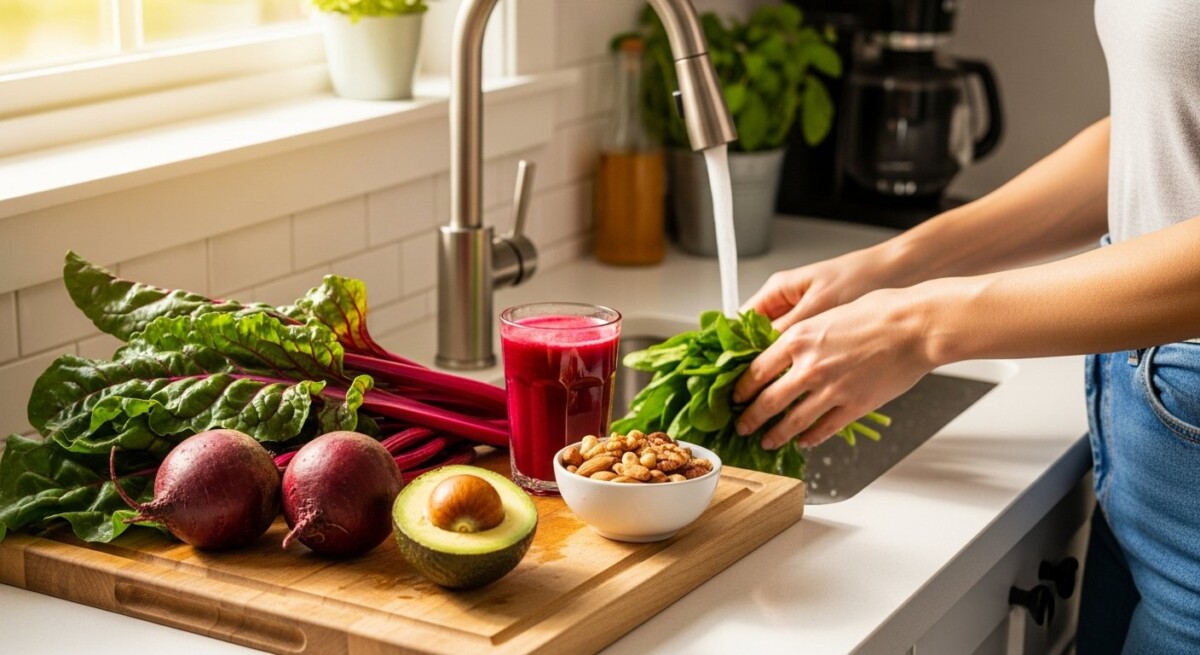
High blood pressure, or hypertension, often earns its reputation as a silent threat. Millions of adults in the United States manage this condition daily, yet many seek ways to reduce their numbers without immediately reaching for a prescription. While medication plays a critical role for many, the power of diet offers a compelling, evidence-backed path to better cardiovascular health. The right foods act as natural regulators, helping arteries relax, reducing fluid retention, and supporting overall heart function. Understanding which items to prioritize in your grocery cart can transform your approach to wellness. This article explores the most effective foods that lower blood pressure naturally, explaining the science behind each choice and how to incorporate them into a sustainable eating plan.
The Science Behind Dietary Approaches to Stop Hypertension
Before diving into specific foods, it helps to understand the biological mechanisms at play. Blood pressure is the force of blood pushing against the walls of your arteries. When this force remains high over time, it strains the heart and damages blood vessels. Diet influences this pressure through several key pathways: sodium balance, potassium levels, magnesium availability, and the flexibility of blood vessel walls.
The DASH diet, which stands for Dietary Approaches to Stop Hypertension, remains the gold standard for non-pharmaceutical blood pressure management. Research consistently shows that following this eating pattern can lower systolic blood pressure by 8 to 14 points within a few weeks. The magic of the DASH approach lies not in a single miracle food but in a combination of nutrients that work synergistically. Potassium helps the kidneys flush out excess sodium. Magnesium supports blood vessel relaxation. Calcium aids in proper vascular contraction and dilation. Fiber and antioxidants reduce inflammation, which is a known contributor to hypertension. When you eat foods rich in these compounds, you create an internal environment that naturally resists high pressure.
Leafy Greens: A Potassium Powerhouse
Dark leafy greens stand at the top of the list for anyone seeking foods that lower blood pressure naturally. Spinach, kale, Swiss chard, collard greens, and arugula deliver high doses of potassium, a mineral that acts as a natural counterbalance to sodium. Most Americans consume far too much sodium and not enough potassium, which disrupts the delicate fluid balance in the body. When potassium levels rise, the kidneys excrete more sodium through urine, which helps reduce blood volume and lower pressure.
A single cup of cooked spinach provides roughly 840 milligrams of potassium, which is nearly 20 percent of the daily recommended intake. Beyond potassium, these greens also supply magnesium and nitrates. Dietary nitrates convert into nitric oxide in the body, a molecule that signals blood vessels to relax and widen. This vasodilation effect can produce measurable drops in blood pressure within hours of consumption. For best results, include a serving of leafy greens at lunch and dinner. Add a handful of spinach to smoothies, layer kale into sandwiches, or sauté Swiss chard with garlic as a side dish. Consistency matters more than quantity, so aim for at least two cups of raw leafy greens per day.
Berries: Flavonoids for Flexible Arteries
Berries bring more than vibrant color and sweetness to your plate. Blueberries, strawberries, raspberries, and blackberries contain high levels of flavonoids, particularly anthocyanins. These plant compounds improve endothelial function, which refers to the health of the thin layer of cells lining blood vessels. When the endothelium works well, arteries can expand and contract freely, keeping blood pressure stable.
A study published in the Journal of the Academy of Nutrition and Dietetics found that consuming blueberries daily for eight weeks led to a significant reduction in systolic blood pressure among postmenopausal women with early hypertension. The effect appears to stem from the berries’ ability to boost nitric oxide production, similar to leafy greens. Frozen berries retain most of their flavonoid content, making them a convenient year-round option. Sprinkle them over oatmeal, blend into yogurt, or eat them fresh as a snack. Aim for half a cup to one cup of berries daily. Avoid sweetened varieties, as added sugar can counteract the cardiovascular benefits.
Beets and Beetroot Juice
Beets have gained considerable attention in the wellness world, and for good reason. These root vegetables are exceptionally rich in dietary nitrates. Once consumed, the body converts these nitrates into nitric oxide, which relaxes and dilates blood vessels. The result is a measurable decrease in both systolic and diastolic blood pressure. Research indicates that drinking about 250 milliliters of beetroot juice can lower systolic blood pressure by 4 to 5 points within a few hours.
While beetroot juice offers a concentrated dose, whole roasted or steamed beets provide fiber and additional nutrients without the sugar spike of juice. You can grate raw beets into salads, roast them with olive oil and herbs, or blend them into a savory soup like borscht. The earthy flavor pairs well with citrus, goat cheese, and walnuts. For those who dislike the taste of beets, arugula and spinach offer similar nitrate benefits, though in slightly lower concentrations. Including beets in your rotation two to three times per week can contribute to sustained pressure improvements.
Oats and Whole Grains
Whole grains form a cornerstone of any heart-healthy diet. Oats, barley, quinoa, brown rice, and whole wheat deliver soluble fiber, which has a direct effect on blood pressure. Soluble fiber binds to cholesterol in the digestive tract and helps remove it from the body. Lower cholesterol levels reduce the buildup of plaque in arteries, which keeps blood flowing freely and reduces arterial stiffness.
Oats, in particular, contain a specific type of soluble fiber called beta-glucan. A meta-analysis of 28 randomized controlled trials found that eating three grams of beta-glucan daily reduced both systolic and diastolic blood pressure significantly. A bowl of oatmeal provides roughly that amount. Beyond fiber, whole grains supply magnesium and potassium, reinforcing the mineral balance needed for healthy pressure. Replace refined grains like white bread and white rice with whole grain alternatives. Start your day with steel-cut oats topped with berries and flaxseed. Use quinoa as a base for grain bowls, and choose whole grain pasta for dinner. These small swaps create a cumulative effect over weeks and months.
Fatty Fish: Omega-3s for Inflammation Control
Chronic inflammation contributes to the development of hypertension by damaging blood vessel walls and reducing their elasticity. Fatty fish such as salmon, mackerel, sardines, trout, and herring provide high levels of omega-3 fatty acids, specifically eicosapentaenoic acid (EPA) and docosahexaenoic acid (DHA). These fats reduce inflammation, improve endothelial function, and help lower blood pressure.
The American Heart Association recommends eating two servings of fatty fish per week. Each serving should be about 3.5 ounces cooked, roughly the size of a deck of cards. A study in the journal Hypertension reported that a diet rich in omega-3s could lower systolic blood pressure by an average of 4.5 points in individuals with hypertension. For those who do not eat fish, algae-based omega-3 supplements offer a plant-based alternative, though whole food sources remain preferable. Pair grilled salmon with a side of roasted beets and steamed spinach for a meal that targets blood pressure from multiple angles. Canned sardines or mackerel work well for quick lunches and provide the same benefits as fresh fish.
Pomegranates and Citrus Fruits
Fruits rich in vitamin C and polyphenols offer direct support for blood pressure regulation. Pomegranates stand out due to their high concentration of punicalagins and anthocyanins, antioxidants that protect blood vessels from oxidative damage. A randomized trial published in the journal Clinical Nutrition found that drinking 150 milliliters of pomegranate juice daily for two weeks significantly reduced systolic blood pressure in participants with hypertension.
Citrus fruits, particularly oranges and grapefruits, also contribute to lower pressure through their flavonoid content. Hesperidin, a compound found in oranges, has been shown to improve blood vessel function and reduce diastolic pressure. Whole fruits are preferable to juices because they contain fiber, which slows sugar absorption and supports gut health. However, small amounts of 100 percent juice without added sugar can be part of an effective strategy. Add pomegranate seeds to salads or yogurt, and enjoy an orange as a midday snack. Grapefruit can interact with certain blood pressure medications, so consult your doctor before adding it to your diet if you take prescription drugs.
Pistachios and Other Nuts
Nuts provide a convenient source of healthy fats, magnesium, and potassium, all of which support healthy blood pressure. Pistachios have garnered particular attention for their ability to lower both systolic and diastolic pressure. A study from Penn State University showed that participants who ate one to two servings of pistachios daily as part of a heart-healthy diet experienced significant reductions in blood pressure compared to those who did not.
The mechanism involves a combination of nutrients. Pistachios are rich in L-arginine, an amino acid that the body uses to produce nitric oxide. They also contain gamma-tocopherol, a form of vitamin E that reduces inflammation. Other nuts like almonds, walnuts, and cashews offer similar benefits, though walnuts stand out for their alpha-linolenic acid (ALA) content, a plant-based omega-3. Keep portions moderate, as nuts are calorie-dense. A standard serving is one ounce, or about a small handful. Replace processed snacks like chips with a handful of unsalted pistachios or almonds. You can also sprinkle chopped nuts over oatmeal, salads, or roasted vegetables for added crunch and nutrition.
Practical Steps to Build a Blood Pressure-Lowering Diet
Knowing which foods help is only half the battle. The real challenge lies in integrating them into a busy lifestyle without feeling overwhelmed. Start by making one change at a time. Swap your morning pastry for a bowl of oatmeal topped with berries and a tablespoon of ground flaxseed. Replace one daily beverage with a glass of water or unsweetened pomegranate juice. At dinner, fill half your plate with vegetables, with an emphasis on leafy greens and colorful produce.
Consider using the DASH diet as a framework. This eating plan emphasizes fruits, vegetables, whole grains, lean proteins, and low-fat dairy while limiting red meat, sugar, and processed foods. It does not require expensive ingredients or complicated recipes. Simple preparations often yield the best results. Roast a batch of beets and sweet potatoes at the start of the week. Keep bags of frozen berries and spinach on hand for smoothies. Buy canned salmon or sardines for quick protein options. The key is consistency over perfection.
It is also important to monitor the impact of these dietary changes. If you already track your blood pressure at home, note how your readings respond after several weeks of improved eating. Many people see noticeable improvements within two to four weeks. For those who need additional support, telemedicine platforms like DoctorsHome offer convenient access to healthcare professionals who can discuss your numbers and help you manage your condition. In our guide on how to get a blood pressure medication refill from an online doctor, we explain how to navigate prescription renewals without an in-person visit. This can be especially helpful if your dietary adjustments are part of a broader plan that includes medication.
Putting It All Together for Long-Term Success
Lowering blood pressure through diet is not about extreme restriction or short-term detoxes. It is about building a sustainable pattern of eating that supports your cardiovascular system day after day. The foods discussed here, including leafy greens, berries, beets, oats, fatty fish, pomegranates, and pistachios, are all backed by solid research. They work through multiple mechanisms, from reducing sodium retention to improving artery flexibility and fighting inflammation.
Pair these dietary changes with other lifestyle habits such as regular physical activity, stress management, adequate sleep, and limited alcohol intake. Even modest weight loss of 5 to 10 percent of body weight can produce meaningful reductions in blood pressure. If you smoke, seek support to quit, as tobacco use directly damages blood vessels and raises pressure. Always consult a healthcare provider before making significant changes to your diet or medication regimen, especially if you have existing health conditions or take prescription drugs. With the right approach, food becomes a powerful tool in your journey toward better heart health and lower numbers on the monitor.
About the Author: David Reynolds





Sign up for our newsletter and Save 20% on Test Kits
"*" indicates required fields