
Private STD Testing: Discreet Options for Privacy-Conscious Patients
Private STD Testing: Discreet Options for Privacy-Conscious Patients
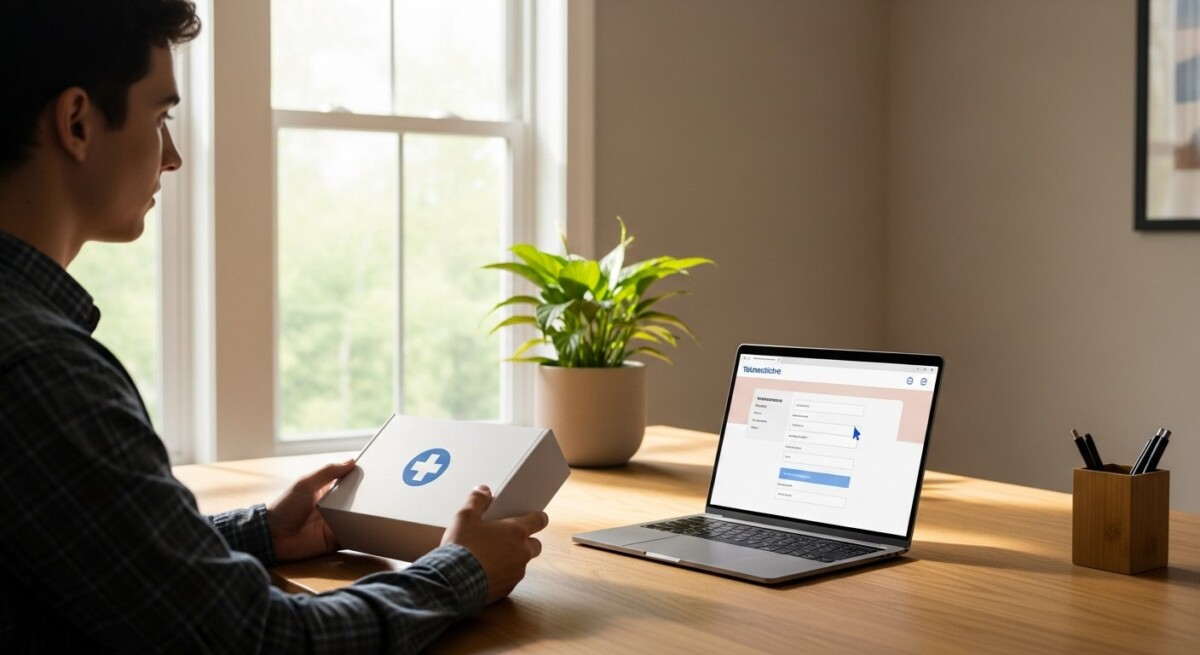
For many people, the decision to get tested for sexually transmitted infections is clouded by concerns about privacy. The thought of visiting a local clinic, sitting in a waiting room, or seeing a charge on a health insurance explanation of benefits can be enough to delay or avoid testing entirely. This hesitation is understandable, but it also carries significant health risks. Untreated STIs can lead to long-term complications, and unknowingly transmitting an infection to a partner can have serious emotional and relational consequences. Fortunately, the healthcare landscape has evolved to meet this need. Today, there are several discreet STD testing options for privacy-conscious patients that allow you to take control of your sexual health without sacrificing your confidentiality. Whether through at-home testing kits or confidential telemedicine consultations, you can now get tested and treated from the privacy of your own home.
Why Privacy Matters in STD Testing
Privacy concerns are one of the most commonly cited reasons people avoid STD testing. A 2020 study published in the journal Sexually Transmitted Diseases found that nearly one-third of participants delayed or avoided testing due to worries about confidentiality. These fears are not unfounded. Traditional testing often involves a visit to a primary care doctor or a public health clinic, where your name, insurance information, and test results become part of your medical record. If you are on a family insurance plan, the explanation of benefits (EOB) sent to the policyholder can reveal that you had lab work done for STIs, potentially exposing your sexual activity to parents or a spouse.
Beyond the logistical concerns, there is also the emotional weight of stigma. Many people feel shame or embarrassment discussing their sexual health with a healthcare provider in person. This is especially true for individuals in small communities or those who work in conservative environments where their reputation could be at risk. The desire for discreet STD testing options for privacy-conscious patients is not just about hiding something; it is about preserving autonomy and reducing the anxiety that comes with a potentially sensitive medical visit. When you can manage your health on your own terms, you are far more likely to follow through with testing and treatment.
Understanding Your Discreet Testing Options
The good news is that modern healthcare offers several pathways to private testing. Each option has its own strengths, and the best choice depends on your specific needs for speed, cost, and level of anonymity. Below, we break down the three primary methods available to privacy-conscious patients.
At-Home STD Testing Kits
At-home testing kits have become one of the most popular solutions for those seeking privacy. These kits allow you to collect your own sample (urine, blood from a finger prick, or a swab) in the comfort of your home and mail it to a certified lab. Results are typically available online within a few days through a secure patient portal. Companies like DoctorsHome offer a comprehensive range of at-home testing kits, including panels for chlamydia, gonorrhea, HIV, syphilis, herpes, hepatitis B and C, and more.
The primary advantage of at-home kits is the elimination of the in-person visit. You never have to sit in a waiting room or explain to a receptionist why you are there. The packaging is discreet, often arriving in a plain box with no identifying labels. Payment is processed directly through the provider, bypassing insurance entirely if you choose. This means no EOB is sent to your home, and no record of the test appears on your insurance claims history. For many, this is the gold standard of privacy.
However, it is important to note that at-home tests are not anonymous in the strictest sense. You still provide your name and shipping address, and the lab links your sample to that information. For complete anonymity, you would need to use a service that allows you to pay with cash or a prepaid card and use a pseudonym, though this is less common with regulated medical tests. Most reputable providers, including DoctorsHome, maintain strict HIPAA-compliant data practices to ensure your information is secure.
Telemedicine Consultations with Lab Referral
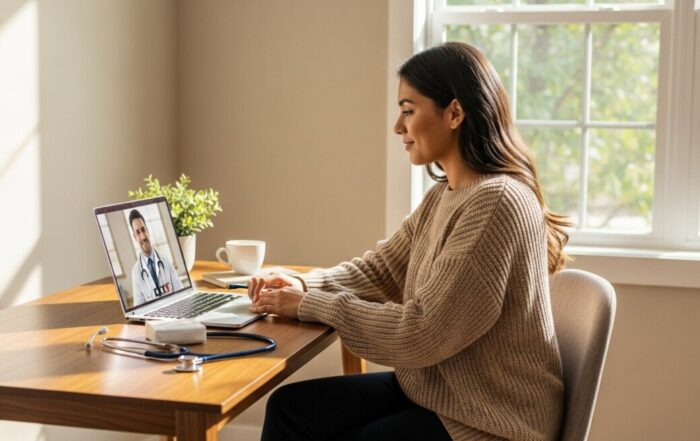
Another effective approach is to start with a telemedicine consultation. Platforms like DoctorsHome allow you to connect with a licensed healthcare provider via a secure online form or video call. You can discuss your symptoms, risk factors, and testing needs without leaving your house. The doctor can then order lab tests for you at a nearby facility or, in many cases, send you an at-home test kit directly. This hybrid model offers the benefit of professional medical guidance while maintaining a high degree of privacy.
Telemedicine is particularly useful if you have symptoms and need a prescription for treatment. For example, if you test positive for herpes or chlamydia, the same doctor who ordered the test can prescribe medication, which can be sent to a pharmacy or delivered to your home. This eliminates the need for a separate follow-up visit. For privacy-conscious patients, the key advantage is that the entire interaction happens online. Your insurance is not necessarily involved if you pay out-of-pocket, and the consultation itself is protected by doctor-patient confidentiality. In our guide on find medical lab near you and at home testing options, we explain how to navigate these choices based on your location and comfort level.
Direct-to-Consumer Lab Services
Some patients prefer to cut out the middleman entirely and order their own lab tests through direct-to-consumer services. These companies allow you to select from a menu of tests, pay online, and then visit a local blood draw station (like Quest Diagnostics or LabCorp) to provide your sample. The results are sent directly to you, not to your primary care doctor. This method offers a high degree of control because you choose exactly which tests to run and you receive the results without any gatekeeping.
The trade-off is that you do not have a doctor interpreting the results or providing treatment if you test positive. You would need to seek care separately, which could involve another provider and potentially compromise your privacy. For this reason, many privacy-conscious patients prefer the telemedicine route, where a doctor is involved from the start and can handle the entire care cycle, from testing to treatment, all within a confidential digital environment.
What to Look for in a Discreet Testing Service
When evaluating different providers, there are several key features to consider. Not all services are created equal, and what works for one person may not work for another. Here are the most important factors to prioritize when selecting discreet STD testing options for privacy-conscious patients:
- HIPAA compliance and data encryption: Ensure the provider uses secure, encrypted platforms for all communications and stores your data in compliance with federal privacy laws. Look for statements about their security protocols on their website.
- Discreet packaging and billing: The test kit should arrive in unmarked packaging. The charge on your credit card statement should be generic (e.g., the company name without reference to STDs). Avoid services that use third-party billing companies with recognizable names.
- No insurance reporting: If you pay out-of-pocket, the service should not bill your insurance. This prevents an EOB from being generated. Some services offer a self-pay option specifically for this reason.
- Comprehensive test panels: A good service offers both single-pathogen tests and comprehensive panels that screen for the most common STIs. A standard panel typically includes chlamydia, gonorrhea, HIV, syphilis, and sometimes trichomoniasis and herpes.
- Clear result communication: You should be able to access your results online through a secure portal. The provider should also offer counseling or a follow-up consultation if your results are positive, explaining the next steps for treatment.
Taking the time to verify these features can save you from unexpected privacy breaches. For example, a service that promises anonymity but then sends a follow-up survey via postal mail to your home address has failed on its promise. Always read the fine print regarding data handling and shipping practices.
How to Get Tested Without Using Insurance
One of the most effective ways to maintain privacy is to avoid using health insurance altogether. While insurance covers the cost of testing, it also creates a paper trail. Every time a claim is filed, an EOB is sent to the policyholder. If you are on a parent’s or spouse’s plan, that person will see a line item for lab work, often with a code that indicates the type of test performed. This is a deal-breaker for many privacy-conscious patients.
Paying out-of-pocket is simpler than it sounds. Many at-home testing services and telemedicine platforms offer transparent pricing for self-pay patients. For example, a comprehensive STD panel through DoctorsHome can be purchased directly without ever involving an insurance company. The cost is often comparable to an insurance copay plus lab fees, especially when you consider the time and gas money saved by not visiting a clinic. Some services also offer membership plans or bundled testing packages that reduce the per-test cost. The peace of mind that comes from knowing your health information stays between you and your provider is worth the upfront expense for most people.
If cost is a concern, look for providers that offer sliding scale fees or discounts for self-pay patients. Public health clinics also provide low-cost or free testing, but they typically require you to provide identification and may report positive results to the health department. While this reporting is required by law for certain infections (like HIV and syphilis), it does not necessarily mean your name will be made public. However, the clinic visit itself may be less private than an at-home option.
Frequently Asked Questions
Are at-home STD tests as accurate as lab tests?
Yes, when used correctly. Most at-home kits use the same FDA-approved testing methods (nucleic acid amplification tests or NAATs) that labs use. The key is following the collection instructions precisely. Contamination or improper handling can affect accuracy, so read the directions carefully.
Can I get treatment if my at-home test is positive?
Many telemedicine platforms, including DoctorsHome, offer treatment as part of the service. After receiving your positive result, you can have a follow-up consultation with a doctor who can prescribe antibiotics or antivirals. The medication is then shipped to you in discreet packaging.
Will my employer find out about my STD test?
No. Employer-sponsored wellness programs sometimes offer health screenings, but these are voluntary and separate from private STD testing. As long as you do not use employer-provided insurance or submit a claim through a workplace health plan, your employer has no access to your medical records.
How long does it take to get results from an at-home test?
Most providers deliver results within 2 to 5 business days after the lab receives your sample. Some offer expedited processing for an additional fee. The turnaround time is usually comparable to a clinic visit.
What if I need a test that is not available in a standard panel?
Many services allow you to customize your panel or order individual tests. For example, you can order a test specifically for herpes simplex virus (HSV-1 and HSV-2) or for hepatitis C without buying a full panel. Contact the provider’s customer support to confirm availability.
Taking the Next Step Toward Confidential Care
Your sexual health is a personal matter, and you deserve to manage it in a way that respects your privacy. The emergence of discreet STD testing options for privacy-conscious patients has removed many of the traditional barriers to getting tested. Whether you choose an at-home kit, a telemedicine consultation, or a direct-to-consumer lab service, the most important thing is to take action. Delaying testing out of fear of exposure only puts your health and the health of your partners at risk. With services like those offered by DoctorsHome, you can access professional medical care, accurate testing, and effective treatment, all while maintaining the confidentiality you need. Start by filling out a simple online form today and take the first step toward peace of mind. For additional resources on managing your health from home, consider exploring financial solutions that support your wellness journey.
About the Author: Laura Simmons




Sign up for our newsletter and Save 20% on Test Kits
"*" indicates required fields