
Find Medical Lab Near You and At Home Testing Options
Find Medical Lab Near You and At Home Testing Options
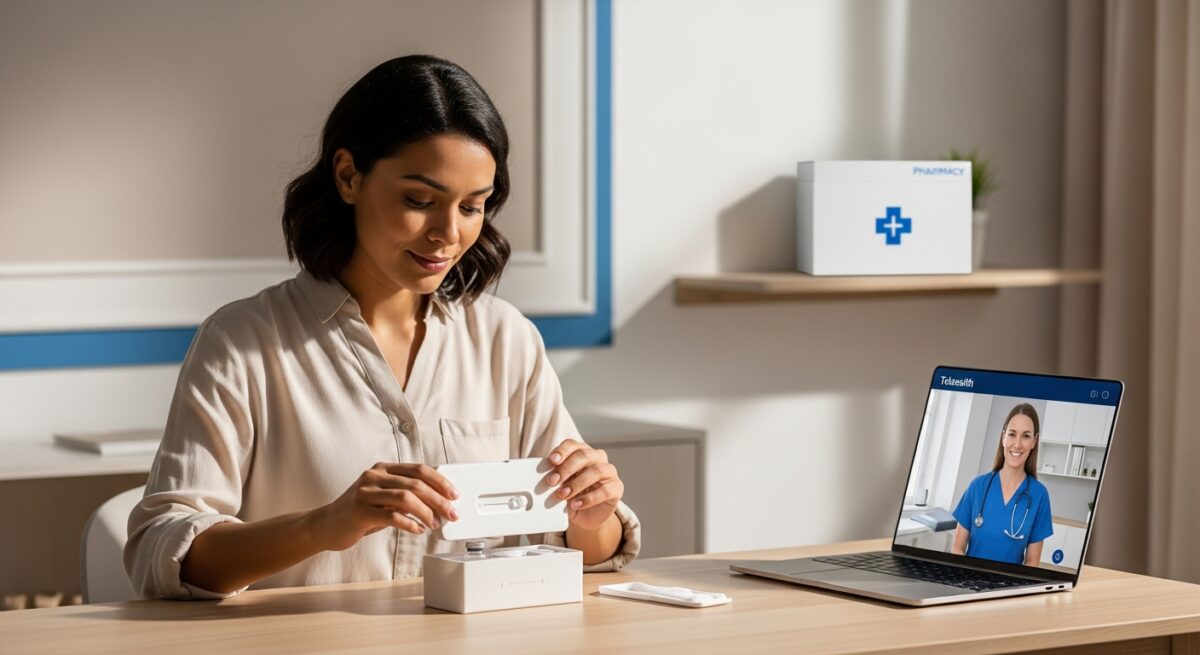
When a health concern arises, knowing where to go for reliable testing can feel overwhelming. You might search for a medical lab near me while also wondering if there is a way to skip the waiting room entirely. The modern healthcare landscape now offers two powerful paths: convenient nearby diagnostic labs for in-person services and innovative at-home testing kits that let you collect samples on your own schedule. Understanding both options helps you take control of your health with confidence and avoid unnecessary delays in diagnosis or treatment.
Why Choosing the Right Lab Testing Matters for Your Health
Lab testing is the backbone of preventive care and accurate diagnosis. Blood work, urine analysis, and specialized screenings reveal critical information that a physical exam alone cannot provide. Whether you are monitoring a chronic condition, checking for infections, or exploring potential hormonal imbalances, the quality of your lab results directly affects your treatment plan. That is why finding a trusted medical lab near you is often the first step toward effective healthcare.
However, not all lab testing services are created equal. Some facilities offer rapid turnaround times, while others specialize in niche tests. Many patients also face barriers like transportation issues, long wait times, or anxiety about visiting a clinic. This is where at-home testing options bridge the gap, allowing you to collect samples in a private, comfortable environment and mail them to a certified laboratory. The combination of local labs and home-based kits gives you flexibility without sacrificing accuracy.
How to Locate a Reliable Medical Lab Near You
Finding a nearby diagnostic lab starts with understanding your specific needs. A routine blood panel requires different resources than a specialized genetic test or a sexually transmitted infection screening. Here are practical steps to identify the best lab testing services in your area:
- Use online directories or your health insurance provider’s search tool to find in-network labs near your zip code.
- Check the lab’s accreditation status, such as CLIA (Clinical Laboratory Improvement Amendments) certification, which ensures quality standards.
- Read patient reviews focusing on wait times, staff professionalism, and clarity of results.
- Confirm whether the lab offers the specific test your doctor ordered or if they need to send it to a reference laboratory.
Many large pharmacy chains and independent clinics now operate their own lab draw stations. These locations often have extended hours and accept walk-ins. However, for complex or less common tests, a dedicated medical lab with specialized equipment may be necessary. Always verify that the lab shares results electronically with your healthcare provider to streamline follow-up care.
Understanding At-Home Testing Options
At-home testing has grown rapidly in recent years, driven by advances in sample collection technology and consumer demand for convenience. These kits allow you to collect a finger-prick blood sample, saliva, or urine swab without leaving your home. You then send the sample to a partner lab using prepaid packaging and receive digital results within days. This approach is ideal for routine monitoring, initial screenings, or situations where privacy is a top concern.
Popular at-home tests include those for thyroid function, vitamin deficiencies, cholesterol levels, and certain infections. Platforms like Doctors Home offer access to self-administered health tests that integrate directly with telemedicine consultations. For example, if you are exploring symptoms related to hormonal health, you might benefit from a combination of an at-home test and a virtual doctor visit. In our guide on Understanding PCOS: At-Home Test Options and Key Symptoms, we explain how these tools can provide early clues that guide your next steps.
Key Advantages of At-Home Testing
At-home lab testing services offer several distinct benefits over traditional in-person visits:
- Convenience: Collect samples at any time without scheduling conflicts or travel.
- Privacy: Avoid uncomfortable waiting rooms, especially for sensitive health issues.
- Speed: Many kits provide results faster than booking a doctor appointment and traveling to a separate lab.
- Affordability: Some at-home tests cost less than a copay for an in-person visit, and transparent pricing helps you avoid surprise bills.
However, at-home tests are not a complete replacement for professional medical care. If your results indicate a potential problem, you will need a licensed provider to interpret the data and recommend treatment. That is why the best approach is often a hybrid model: use at-home testing for baseline screening or monitoring, then consult a doctor for comprehensive diagnosis and prescription management.
When to Choose a Nearby Diagnostic Lab Instead
Despite the rise of home kits, there are situations where visiting a medical lab near you remains the better choice. Venipuncture (blood draw from a vein) is required for many critical tests, including those that need large sample volumes or cooling immediately after collection. Examples include certain cancer markers, hormone panels requiring precise timing, and tests for infectious diseases that need rapid processing.
Additionally, some patients prefer the reassurance of having a trained phlebotomist handle their sample, especially if they have difficult veins or a history of fainting during blood draws. In-person labs also offer immediate support if a sample is compromised, whereas a home kit might require a repeat collection and additional shipping time. For emergency situations or tests ordered by a specialist who needs same-day results, a nearby diagnostic lab is indispensable.
Integrating Lab Results with Telemedicine
The true power of modern healthcare lies in connecting lab results with virtual medical consultations. Whether you visit a physical lab or use an at-home kit, the next step is often discussing your findings with a healthcare provider. Telemedicine platforms like Doctors Home make this seamless. You can share your lab report electronically, meet with a licensed professional via video call, and receive prescriptions or lifestyle recommendations without stepping into an office.
This integration is especially valuable for chronic disease management. For example, if you test your HbA1c levels at home and see an upward trend, you can quickly consult a doctor to adjust your diabetes medication. Similarly, if you visit a medical lab near me for a lipid panel and the results show high cholesterol, a virtual visit allows for immediate discussion of diet changes or statin therapy. The combination of lab testing services and telemedicine reduces gaps in care and speeds up treatment initiation.
Cost and Insurance Considerations for Lab Testing
Healthcare costs can be confusing, but understanding how lab testing fits into your insurance plan helps you avoid financial surprises. In-network nearby diagnostic labs typically charge lower rates negotiated by your insurer. Many insurance plans cover routine lab work at 100% when ordered by a primary care doctor, especially for preventive screenings.
At-home testing kits are often not covered by insurance, though some flexible spending accounts (FSAs) or health savings accounts (HSAs) allow reimbursement. However, the upfront cost of a kit can be lower than the total cost of a doctor visit plus lab copays. Always check the lab testing services website or customer support for pricing transparency. Some providers, including Doctors Home, offer bundled packages that combine testing with a consultation, giving you a clear picture of expenses before you commit.
Frequently Asked Questions
How do I find a medical lab near me that accepts my insurance?
Start by logging into your insurance portal and using the “Find a Provider” tool. Filter by lab services or diagnostic imaging. You can also call the customer service number on your insurance card and ask for a list of in-network labs in your area. Confirm with the lab directly before your visit to avoid billing issues.
Are at-home lab tests as accurate as those done in a clinic?
Most reputable at-home test kits use CLIA-certified laboratories for analysis, meaning the accuracy is comparable to traditional lab testing. However, the quality of your sample collection matters. Follow the instructions carefully, including proper hand washing and sample handling. If you have any doubt about your technique, consider visiting a nearby diagnostic lab for a professionally collected sample.
Can I order my own lab tests without a doctor?
Yes, many direct-to-consumer lab companies allow you to purchase tests without a prescription. However, interpreting the results without medical context can lead to unnecessary worry or false reassurance. It is strongly recommended to share your results with a healthcare provider who can explain what the numbers mean for your specific health situation.
What should I do if my at-home test results are abnormal?
Contact a healthcare provider immediately. Do not rely on internet searches or forums to interpret the results. A doctor can order confirmatory testing, review your medical history, and create a treatment plan. Many telemedicine services offer same-day appointments for this exact purpose.
How long does it take to get results from a medical lab near me?
Turnaround times vary by test. Routine blood work like a complete blood count (CBC) or basic metabolic panel often returns within 24 to 48 hours. Specialized tests, such as genetic sequencing or allergy panels, may take one to three weeks. Ask the lab testing services staff for an estimated timeline when you drop off your sample.
The healthcare system is evolving to put more control in your hands. Whether you choose to visit a medical lab near me for a comprehensive blood draw or prefer the privacy of an at-home testing kit, the goal remains the same: accurate, timely information that empowers you to make informed health decisions. By understanding your options and integrating lab results with telemedicine consultations, you can navigate your healthcare journey with clarity and confidence. Take the next step today by exploring the lab testing services available through your provider or a trusted platform like Doctors Home, and turn data into actionable wellness.
About the Author: Brian Carter




Sign up for our newsletter and Save 20% on Test Kits
"*" indicates required fields