
Normal Vital Signs by Age: A Complete Reference
Normal Vital Signs by Age: A Complete Reference
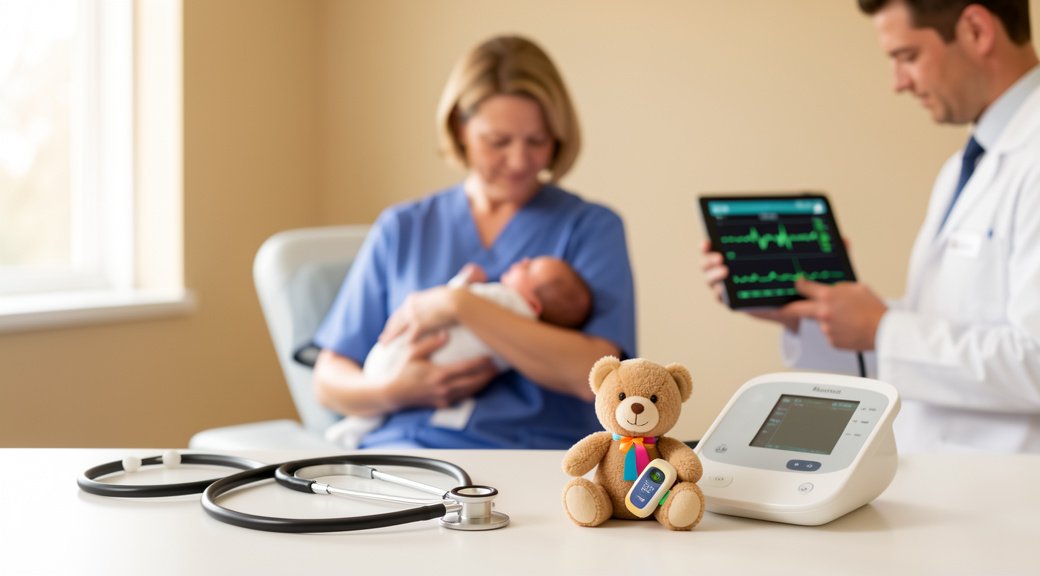
When you or a loved one visits a doctor, one of the first things a healthcare professional does is check vital signs. These measurements provide a snapshot of your body’s basic functions and can signal potential health problems before symptoms appear. Understanding normal vital signs by age helps you interpret these numbers and know when to seek medical attention. This guide breaks down what healthy ranges look like across different life stages, from newborns to older adults.
What Are Vital Signs and Why Do They Matter?
Vital signs are four key measurements that reflect the body’s essential functions. They include body temperature, pulse (heart rate), respiration rate (breathing rate), and blood pressure. Some clinicians also consider oxygen saturation as a fifth vital sign, especially in hospital settings or during telemedicine consultations.
These numbers change naturally as we age. A newborn’s heart beats much faster than an adult’s, and an older adult may have slightly higher blood pressure than a teenager. Knowing what is normal for each age group allows patients and caregivers to detect abnormalities early. For example, a heart rate of 110 beats per minute might be normal for a toddler but could indicate a problem in a resting adult.
DoctorsHome provides remote access to licensed healthcare professionals who can help interpret your vital signs and address any concerns. If you notice readings outside the expected range for your age, virtual consultations offer a convenient way to discuss symptoms and determine next steps without an in-person visit.
Normal Vital Signs Ranges by Age Group
The following breakdown covers normal vital signs by age from infancy through older adulthood. These ranges are general guidelines from medical organizations such as the American Heart Association and the World Health Organization. Individual variations can occur based on fitness level, medications, and underlying health conditions.
Infants (0 to 12 Months)
Newborns and infants have the highest heart and respiratory rates of any age group. Their small bodies have a high metabolic demand, and their cardiovascular and respiratory systems are still maturing.
- Temperature: 97.8 to 99.1 degrees Fahrenheit (36.5 to 37.3 degrees Celsius) when taken rectally, which is the most accurate method for infants.
- Heart rate (awake): 100 to 160 beats per minute. During sleep, the rate can drop to 80 beats per minute.
- Respiratory rate: 30 to 60 breaths per minute.
- Blood pressure (systolic/diastolic): 60 to 90 mmHg systolic over 20 to 60 mmHg diastolic.
Infants breathe primarily through their noses, and their breathing patterns can be irregular. Brief pauses in breathing (less than 10 seconds) are normal, but longer pauses or changes in skin color warrant immediate medical attention. Parents should always consult a pediatrician if they are unsure about their infant’s vital signs.
Children Ages 1 to 10 Years
As children grow, their heart and respiratory rates gradually decline toward adult levels. Blood pressure also rises slowly during childhood. These changes reflect a growing heart and lungs that pump and exchange oxygen more efficiently.
- Temperature: 97.0 to 99.0 degrees Fahrenheit (36.1 to 37.2 degrees Celsius) orally.
- Heart rate (awake): 70 to 120 beats per minute for ages 1 to 3 years; 60 to 100 beats per minute for ages 3 to 10 years.
- Respiratory rate: 20 to 30 breaths per minute for toddlers (1 to 3 years); 18 to 24 breaths per minute for older children (4 to 10 years).
- Blood pressure (systolic/diastolic): 80 to 110 mmHg systolic over 50 to 80 mmHg diastolic, varying by age and height percentile.
Parents can track their child’s vital signs during routine wellness visits. If you notice persistent deviations from these ranges, especially along with symptoms like fatigue or difficulty breathing, a consultation with a healthcare provider is advisable. DoctorsHome offers telemedicine options for non-emergency pediatric concerns, allowing parents to speak with a doctor without traveling to a clinic.
Adolescents (11 to 17 Years)
During adolescence, the body undergoes significant hormonal and physical changes. Vital signs typically stabilize near adult ranges by the end of this stage. Blood pressure becomes an increasingly important marker as lifestyle factors like diet, exercise, and stress begin to influence cardiovascular health.
- Temperature: 97.0 to 99.0 degrees Fahrenheit (36.1 to 37.2 degrees Celsius) orally.
- Heart rate (awake): 60 to 100 beats per minute.
- Respiratory rate: 16 to 22 breaths per minute.
- Blood pressure: Less than 120 mmHg systolic and less than 80 mmHg diastolic. Prehypertension or hypertension in teens is defined using age, sex, and height-specific percentiles.
Adolescents who are physically active often have lower resting heart rates due to improved cardiovascular fitness. A well-trained teenage athlete might have a resting heart rate of 45 to 55 beats per minute, which is still considered normal. However, any sudden change in usual vital signs, such as a racing heart or unusually high blood pressure, should be evaluated by a healthcare professional.
Adults (18 to 64 Years)
For most adults, vital signs remain relatively stable throughout early and middle adulthood. Lifestyle factors such as smoking, diet, physical activity, and stress management play a major role in maintaining healthy ranges. This is also the age group where routine monitoring of blood pressure becomes critical for preventing heart disease and stroke.
- Temperature: 97.0 to 99.0 degrees Fahrenheit (36.1 to 37.2 degrees Celsius) orally.
- Heart rate (awake): 60 to 100 beats per minute.
- Respiratory rate: 12 to 20 breaths per minute.
- Blood pressure: Less than 120 mmHg systolic and less than 80 mmHg diastolic is considered optimal. Elevated blood pressure is 120 to 129 systolic with diastolic less than 80. Hypertension stage 1 is 130 to 139 systolic or 80 to 89 diastolic.
It is important to note that a single high reading does not necessarily mean you have high blood pressure. Stress, caffeine, and physical activity can temporarily raise blood pressure. Consistent monitoring over time provides a more accurate picture. If you are managing a chronic condition, remote monitoring tools and telemedicine services like those offered by DoctorsHome can help you track your vital signs and communicate results to your provider efficiently.
Older Adults (65 Years and Older)
Aging affects the cardiovascular system, lungs, and thermoregulation. Older adults may have a slightly lower body temperature baseline, and blood pressure tends to increase due to arterial stiffness. However, the ideal target for blood pressure in older adults has been refined by recent research to balance the risks of hypertension with the dangers of hypotension (low blood pressure).
- Temperature: 96.5 to 98.5 degrees Fahrenheit (35.8 to 36.9 degrees Celsius) orally. Some older adults have lower baseline temperatures.
- Heart rate (awake): 60 to 100 beats per minute, though many healthy older adults maintain rates between 60 and 80.
- Respiratory rate: 12 to 20 breaths per minute.
- Blood pressure: Less than 130 mmHg systolic and less than 80 mmHg diastolic is generally recommended for most older adults, but individual targets should be set by a healthcare provider based on overall health and fall risk.
Older adults are more susceptible to orthostatic hypotension, a sudden drop in blood pressure upon standing. This can cause dizziness and increase fall risk. Regularly checking vital signs at home and sharing them with a doctor can help manage age-related changes. For seniors with limited mobility, telemedicine provides a practical way to stay connected with healthcare providers without the stress of travel.
How to Measure Vital Signs at Home
Home monitoring of vital signs is increasingly common, especially for individuals with chronic conditions like hypertension, diabetes, or heart disease. The convenience of at-home testing allows for more frequent tracking and earlier detection of changes. DoctorsHome offers a range of at-home medical testing kits that can complement your routine vital sign measurements.
To get accurate readings, follow these general tips for each vital sign:
- Temperature: Use a digital thermometer for oral, axillary (armpit), or rectal readings. Wait 30 minutes after eating or drinking to take an oral temperature.
- Heart rate: Place your index and middle fingers on your wrist (radial artery) or neck (carotid artery). Count the beats for 30 seconds and multiply by 2. Alternatively, use a reliable automatic blood pressure monitor that also displays pulse.
- Respiratory rate: Sit quietly and count the number of breaths (one inhalation plus one exhalation equals one breath) over 60 seconds. Do not tell the person you are counting, as awareness can alter breathing patterns.
- Blood pressure: Use a validated automatic cuff monitor. Sit with your back supported, feet flat on the floor, and arm at heart level. Take two or three readings one minute apart and record the average.
Keep a log of your readings to share with your healthcare provider during appointments or telemedicine visits. Many DoctorsHome patients find that combining home monitoring with virtual consultations makes managing their health more straightforward and less time-consuming.
When to Contact a Healthcare Provider
Knowing the normal vital signs by age helps you recognize when something is off. However, even a single abnormal reading does not always indicate a serious problem. Context matters. Consider contacting a healthcare provider if you experience any of the following:
- A heart rate consistently above 100 beats per minute at rest (tachycardia) or below 60 beats per minute (bradycardia) with symptoms like fainting or shortness of breath.
- A respiratory rate above 24 breaths per minute (tachypnea) or below 10 breaths per minute (bradypnea) at rest.
- Blood pressure readings above 140/90 mmHg that persist over several days.
- A fever above 100.4 degrees Fahrenheit (38 degrees Celsius) in adults, or any fever in an infant under 3 months old.
- Confusion, chest pain, difficulty breathing, or severe headache accompanied by abnormal vital signs.
Telemedicine platforms like DoctorsHome offer a quick way to discuss these concerns with a licensed professional. You can fill out an online form, receive a doctor review, and get guidance on whether an in-person visit is necessary. This is especially valuable for non-emergency situations where you need expert advice without waiting days for an appointment.
The Role of Telemedicine in Monitoring Vital Signs
Telemedicine has transformed how patients and doctors manage health. Instead of traveling to a clinic for every checkup, patients can share their vital signs remotely and receive real-time feedback. This approach is particularly effective for monitoring chronic conditions such as hypertension, heart failure, and diabetes. In our guide on chronic condition remote management, we explain how to integrate home monitoring into your care plan.
For example, a patient with high blood pressure can measure their readings at home and send them to their DoctorsHome provider. The provider can adjust medication dosages or recommend lifestyle changes without requiring an office visit. This saves time, reduces exposure to illnesses in waiting rooms, and empowers patients to take an active role in their health.
At-home testing kits available through DoctorsHome further extend this capability. Tests for thyroid function, vitamin levels, cholesterol, and more provide additional data points that complement vital sign monitoring. Together, these tools create a comprehensive picture of your health that supports better clinical decisions.
Final Thoughts on Vital Signs Across the Lifespan
Understanding normal vital signs by age gives you a valuable baseline for evaluating your health and the health of your family. These measurements are not just numbers, they are indicators that can prompt early intervention and prevent complications. Whether you are a parent checking your child’s temperature or an older adult tracking your blood pressure, knowing what is normal helps you make informed decisions.
Remember that vital signs are one piece of a larger health puzzle. Symptoms, medical history, and lifestyle factors all contribute to your overall well-being. If you have concerns about your vital signs or need help interpreting them, reach out to a healthcare professional. DoctorsHome provides a convenient, confidential way to connect with licensed providers who can offer personalized guidance. With the right knowledge and tools, you can stay proactive about your health at every stage of life.
About the Author: Robert Hayes





Sign up for our newsletter and Save 20% on Test Kits
"*" indicates required fields