
At Home Diabetes Test Kit for Monitoring: A Guide
At Home Diabetes Test Kit for Monitoring: A Guide
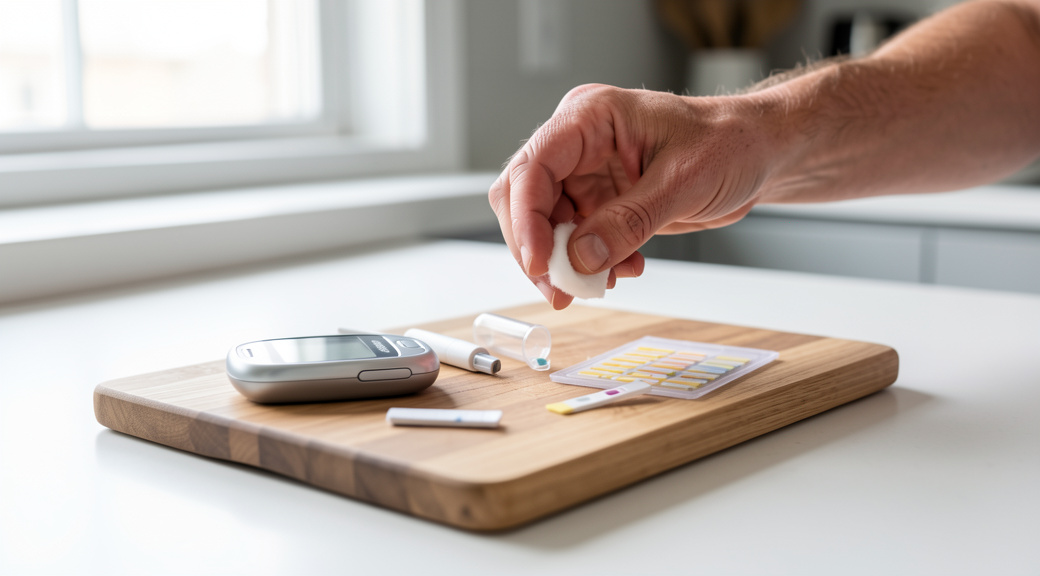
Managing diabetes requires consistent attention to blood sugar levels. For many, frequent trips to a lab or clinic are not practical. An at home diabetes test kit for monitoring offers a practical alternative that fits into a busy schedule. These kits allow you to check key markers like glucose and HbA1c from the comfort of your own home. This guide explains how these tests work, who can benefit from them, and how to choose a reliable option that supports your health goals.
What Is an At Home Diabetes Test Kit for Monitoring?
An at home diabetes test kit for monitoring is a medical device or collection of supplies designed to let you measure your blood sugar levels outside of a clinical setting. These kits typically include a lancet for pricking your finger, test strips, and a small meter that reads your blood glucose. Some advanced kits also measure HbA1c, which provides an average of your blood sugar levels over the past two to three months. The goal is to give you actionable data that you can share with your healthcare provider to adjust medications, diet, or exercise routines.
DoctorsHome offers a range of at-home testing options that align with this need. Their diabetes test kit is designed for convenience and accuracy. After you complete a quick online form, a licensed physician reviews your request. If approved, the kit is shipped to your door in discreet packaging. This process eliminates the need for an in-person appointment, making it easier for you to stay on top of your health. For more insights on how these kits fit into a broader wellness strategy, read our guide on At Home Diabetes Test Kits: Convenient Monitoring Explained.
Why Use a Home Monitoring Kit?
Regular monitoring is a cornerstone of diabetes management. Without it, you may miss dangerous fluctuations in blood sugar that could lead to complications over time. A home kit empowers you to take control of your health between doctor visits. Here are some key reasons people choose this approach:
- Convenience: You can test at any time without scheduling an appointment or traveling to a lab.
- Privacy: Testing at home keeps your health data confidential. The kits are shipped in plain packaging.
- Cost Savings: Home kits often cost less than repeated lab visits, especially if you have a high deductible insurance plan.
- Immediate Feedback: You get results in minutes, not days, allowing you to make real-time adjustments to your diet or medication.
- Better Engagement: Seeing your own numbers regularly can motivate you to stick with healthy habits.
These benefits make a home kit a valuable tool for anyone managing type 1 or type 2 diabetes. It also helps caregivers monitor loved ones who may have difficulty traveling to a clinic.
How to Choose the Right Kit
Not all monitoring kits are the same. When selecting an at home diabetes test kit for monitoring, consider the following factors to ensure it meets your needs.
Accuracy and Certification
Look for kits that are FDA-cleared or CLIA-certified. This ensures that the device meets rigorous standards for accuracy. Many cheap meters on the market may give inconsistent readings, which can be dangerous if you rely on them to dose insulin. Always check the product specifications before purchasing.
What the Kit Measures
Some kits only measure blood glucose, while others also measure HbA1c. HbA1c testing provides a longer-term view of your sugar control and is typically done every three months in a clinical setting. Having this capability at home can save you a trip to the lab. DoctorsHome offers a comprehensive diabetes test kit that includes both glucose and HbA1c markers, giving you a fuller picture of your metabolic health.
Ease of Use
The kit should come with clear instructions. Look for features like a large display screen, a painless lancet device, and a simple one-button operation. If the kit requires a smartphone app, make sure the app is compatible with your device and user-friendly.
Cost and Insurance Coverage
Many home kits are affordable, but costs can add up if you test frequently. Some insurance plans cover certain home monitoring supplies. Check with your provider or the company selling the kit to see if you can get reimbursement. DoctorsHome offers transparent pricing and does not require insurance for purchase, making it accessible to a wider audience.
Step-by-Step Guide to Using a Home Diabetes Test Kit
Using an at home diabetes test kit for monitoring is straightforward. Here is a typical process:
- Order the Kit: Complete a brief health questionnaire on the DoctorsHome website. A doctor reviews your information and, if appropriate, approves the kit.
- Receive Your Kit: The kit arrives in discreet packaging within 2 to 5 business days. It includes all necessary components: lancet, test strips, meter, and instructions.
- Prepare for Testing: Wash your hands with warm water to improve blood flow. Avoid alcohol wipes as they can dry out the skin and affect readings.
- Collect a Blood Sample: Use the lancet to prick the side of your fingertip. Gently squeeze to form a small drop of blood.
- Apply Blood to the Strip: Touch the test strip to the blood drop. The meter will automatically draw the blood and display your glucose level within seconds.
- Record Your Results: Write down the reading along with the time and any notes about what you ate or your activity level. This data is invaluable for your doctor.
If your kit includes an HbA1c test, you will follow a similar process but may need to mail a dried blood spot sample to a lab. The lab processes the sample and returns results via a secure online portal within a few days. This two-step approach combines the immediacy of glucose testing with the deep insight of HbA1c analysis.
Interpreting Your Results
Understanding your numbers is just as important as taking the test. For blood glucose, general targets are:
- Fasting (before meals): 80 to 130 mg/dL
- Two hours after meals: Less than 180 mg/dL
- HbA1c: Below 7% for most adults (your doctor may set a different target)
These are general guidelines. Your individual targets may vary based on age, duration of diabetes, and other health conditions. Always discuss your results with your healthcare provider before making any changes to your treatment plan. A home kit is a monitoring tool, not a substitute for professional medical advice.
Frequently Asked Questions
Can I use an at home diabetes test kit for monitoring if I am not diagnosed with diabetes?
Yes. Some people use these kits to screen for prediabetes or to monitor their risk factors. If you have a family history of diabetes or symptoms like frequent thirst and urination, a home test can provide early clues. However, a formal diagnosis should come from a doctor using lab-grade tests.
How often should I test?
It depends on your type of diabetes and your treatment plan. People with type 1 diabetes may need to test four or more times per day. Those with type 2 diabetes on medication may test once or twice a day. Your doctor will give you a specific schedule.
Are home tests as accurate as lab tests?
FDA-cleared home tests are highly accurate when used correctly. They are not identical to lab tests, but they are reliable enough for daily management. For critical decisions like adjusting insulin doses, use your meter reading along with your doctor’s guidance.
What if my results seem wrong?
Check the expiration date of your test strips. Outdated strips can give false readings. Also, make sure your hands are clean and dry before testing. If you still suspect an error, contact the kit manufacturer or your doctor.
Integrating Home Monitoring into Your Routine
An at home diabetes test kit for monitoring is most effective when used consistently. Set a daily reminder on your phone to test at the same times each day. Keep a log of your readings, either in a notebook or a smartphone app. Share this log with your doctor during telemedicine visits. This habit helps you spot trends and make informed decisions about your diet and activity levels.
DoctorsHome supports this integrated approach by combining test kits with virtual consultations. You can discuss your results with a licensed physician without leaving your home. This seamless connection between testing and care improves your ability to manage diabetes effectively. Additionally, for those looking to manage other financial aspects of their health journey, some patients explore options like car loan refinancing to free up funds for medical expenses.
Taking control of your diabetes monitoring is a powerful step toward better health. With the right at home diabetes test kit, you gain freedom, privacy, and immediate insight into your body. Start by choosing a reliable kit from a trusted provider like DoctorsHome, and pair it with regular medical guidance. Your health journey is unique, and home monitoring puts the data you need right at your fingertips.
About the Author: Laura Simmons





Sign up for our newsletter and Save 20% on Test Kits
"*" indicates required fields