
Sleep Disorders Symptoms and Treatment Options
Sleep Disorders Symptoms and Treatment Options
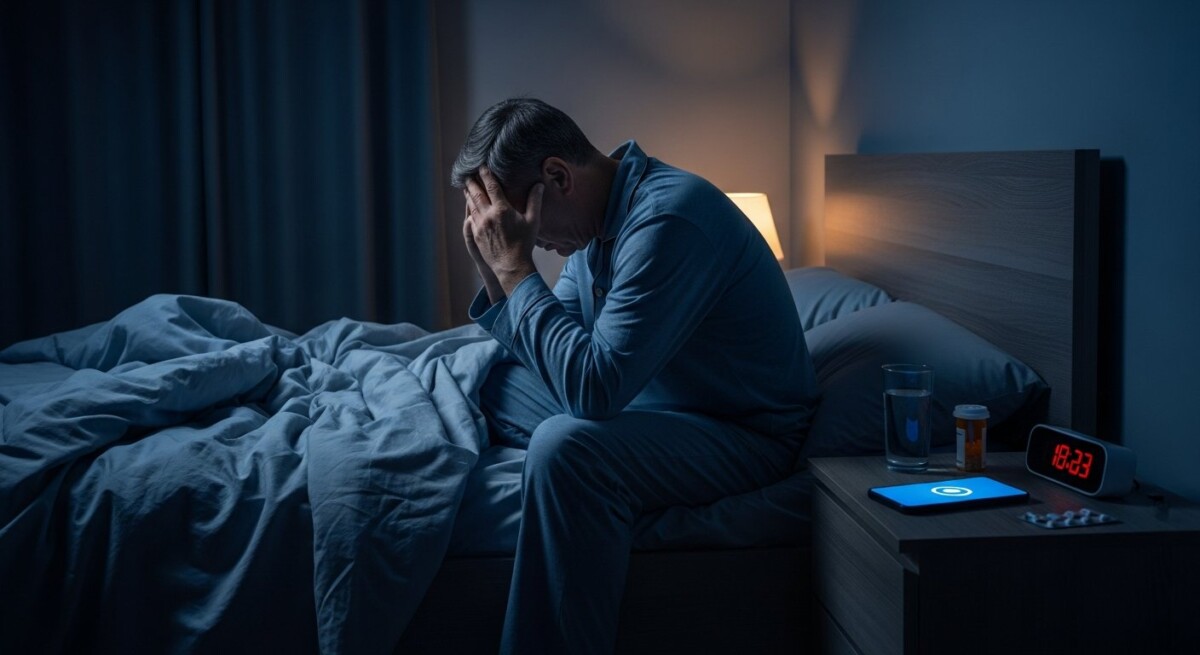
Sleep is a fundamental pillar of health, yet millions of people struggle to get the rest they need. Occasional restless nights are common, but when sleep problems become persistent, they can signal an underlying sleep disorder. Recognizing the signs and understanding available treatments is the first step toward recovery. This guide explains the most common sleep disorders symptoms and treatment options, helping you identify when to seek professional help and what to expect from modern telemedicine solutions.
Common Sleep Disorders and Their Symptoms
Sleep disorders encompass a wide range of conditions that disrupt normal sleep patterns. The most prevalent types include insomnia, sleep apnea, restless legs syndrome, narcolepsy, and circadian rhythm disorders. Each condition presents with distinct symptoms, though some overlap exists. Understanding these differences is essential for accurate self-assessment and effective treatment.
Insomnia is the most common sleep disorder, affecting up to 30 percent of adults at some point in their lives. Symptoms include difficulty falling asleep, waking frequently during the night, waking too early and being unable to return to sleep, and feeling unrefreshed after a full night in bed. Chronic insomnia occurs at least three nights per week for three months or longer. Sleep apnea, on the other hand, involves repeated pauses in breathing during sleep. Warning signs include loud snoring, gasping or choking sounds, morning headaches, excessive daytime sleepiness, and waking with a dry mouth or sore throat.
Restless legs syndrome creates an uncontrollable urge to move the legs, often accompanied by uncomfortable sensations like crawling, tingling, or aching. These symptoms worsen during periods of rest or inactivity, especially in the evening and at night. Narcolepsy causes overwhelming daytime drowsiness and sudden sleep attacks, even during activities like driving or working. People with narcolepsy may also experience cataplexy, a sudden loss of muscle tone triggered by strong emotions. Circadian rhythm disorders occur when your internal body clock is out of sync with your environment, leading to difficulty sleeping at desired times and excessive sleepiness during waking hours.
When to Seek Medical Evaluation
Not every bad night requires a doctor’s visit. However, certain patterns indicate that professional evaluation is warranted. You should consider consulting a healthcare provider if your sleep problems persist for more than a few weeks, if they interfere with your daily functioning, or if you experience any of the following warning signs:
- Loud, disruptive snoring accompanied by pauses in breathing
- Frequent awakenings with choking or gasping sensations
- Uncontrollable daytime sleepiness that affects work or driving safety
- Persistent difficulty falling or staying asleep despite good sleep habits
- Unusual movements or behaviors during sleep, such as kicking or thrashing
Early intervention is important because untreated sleep disorders can contribute to serious health consequences. Chronic sleep deprivation increases the risk of hypertension, heart disease, stroke, diabetes, obesity, and depression. It also impairs cognitive function, memory, and immune response. By addressing sleep disorders symptoms and treatment early, you can prevent these complications and improve your overall quality of life.
For many individuals, the convenience of telemedicine makes it easier to seek help. Platforms like DoctorsHome allow you to complete an online assessment and speak with a licensed healthcare provider from home. This is especially valuable for those with busy schedules, limited access to in-person specialists, or conditions that make travel difficult. During a virtual consultation, the doctor reviews your symptoms, medical history, and sleep patterns, then recommends appropriate next steps.
Diagnostic Approaches for Sleep Disorders
Accurate diagnosis is the foundation of effective treatment. Healthcare providers use several methods to evaluate sleep disorders, starting with a detailed clinical interview. They ask about your sleep schedule, bedtime routines, daytime symptoms, medical history, and medication use. You may be asked to keep a sleep diary for one to two weeks, documenting when you go to bed, how long it takes to fall asleep, how often you wake during the night, and how you feel in the morning.
For suspected sleep apnea or other breathing-related disorders, a sleep study may be recommended. Traditional polysomnography requires an overnight stay in a sleep lab, where technicians monitor brain waves, eye movements, heart rate, breathing patterns, and oxygen levels. However, home sleep apnea testing has become increasingly common and convenient. These portable devices record key data while you sleep in your own bed, providing reliable results for many patients.
Actigraphy is another useful tool, particularly for circadian rhythm disorders and insomnia. Patients wear a small wristwatch-like device that tracks movement and light exposure over several days. This data helps doctors understand your sleep-wake patterns and identify misalignments with your desired schedule. Blood tests may also be ordered to rule out underlying medical conditions such as thyroid disorders, iron deficiency, or hormonal imbalances that can contribute to sleep problems.
Treatment Options: From Lifestyle Changes to Medical Interventions
Treatment for sleep disorders varies widely depending on the specific diagnosis and its underlying causes. For many people, a combination of approaches yields the best results. The goal is to address both the symptoms and the root factors that perpetuate poor sleep.
For insomnia, cognitive behavioral therapy for insomnia (CBT-I) is considered the first-line treatment. CBT-I is a structured program that helps you identify and change thoughts and behaviors that interfere with sleep. Components include stimulus control (associating the bed only with sleep), sleep restriction (consolidating sleep time to improve efficiency), and cognitive restructuring (replacing anxiety about sleep with realistic expectations). Many patients see significant improvement within four to eight sessions. In some cases, short-term use of prescription sleep aids may be appropriate, but these are generally recommended only when non-drug approaches are insufficient.
Sleep apnea treatment focuses on keeping the airway open during sleep. Continuous positive airway pressure (CPAP) therapy is the most common and effective method. A CPAP machine delivers a steady stream of air through a mask, preventing airway collapse. While some people find the mask uncomfortable at first, modern devices are quieter and more comfortable than older models. Alternatives include oral appliances that reposition the jaw, positional therapy for mild cases that occur only when sleeping on the back, and surgical options for structural obstructions that do not respond to other treatments.
Restless legs syndrome often responds to lifestyle modifications such as reducing caffeine and alcohol intake, establishing a regular exercise routine, and applying heat or cold to the legs before bed. Iron supplementation may help if blood tests show deficiency. Prescription medications, including dopamine agonists and gabapentin, can reduce symptoms when conservative measures are insufficient. For narcolepsy, treatment typically involves stimulant medications to promote daytime wakefulness and antidepressants or sodium oxybate to manage cataplexy and nighttime disruptions.
Circadian Rhythm Disorders and Light Therapy
Circadian rhythm disorders are treated by resetting the internal body clock. Bright light therapy is a cornerstone of treatment for delayed sleep phase syndrome (common in night owls) and shift work disorder. Exposure to a specialized light box for 30 to 60 minutes upon waking helps advance or delay the sleep-wake cycle as needed. Melatonin supplements taken at strategic times can also help shift the circadian rhythm. Consistency with sleep and wake times, even on weekends, reinforces the new schedule.
It is important to note that melatonin is not a sleeping pill. It is a hormone that signals your body to prepare for sleep. Taking it at the wrong time can actually worsen sleep problems. Always consult a healthcare provider before starting melatonin or any supplement, especially if you have an underlying health condition or take other medications.
Integrating Sleep Health with Telemedicine
Modern healthcare platforms make it easier than ever to address sleep concerns from the comfort of your home. Through telemedicine services like DoctorsHome, you can complete an online consultation, discuss your sleep disorders symptoms and treatment goals with a licensed provider, and receive personalized recommendations. If prescription medication is appropriate, it can be sent to a pharmacy for discreet delivery within two to five business days. The entire process is designed for convenience and confidentiality, eliminating the need for waiting rooms and travel.
In addition to consultations, at-home testing kits offer a practical way to gather important health data. For instance, if your sleep problems are linked to hormonal imbalances or vitamin deficiencies, a simple blood test can provide answers. DoctorsHome offers a range of at-home tests, including those for thyroid function, vitamin D, vitamin B12, iron, cortisol, and cholesterol. These tests can be ordered online, completed at home, and sent to a lab for analysis. Results are reviewed by a healthcare professional who can help you understand what they mean for your sleep health.
For those managing chronic conditions like metabolic syndrome, understanding the interplay between overall health and sleep is critical. In our guide on metabolic syndrome symptoms and treatment options, we explain how conditions like hypertension, high blood sugar, and abdominal obesity can disrupt sleep quality and increase the risk of sleep apnea. Addressing these underlying health issues often leads to significant improvements in sleep.
Building Sustainable Sleep Habits
Regardless of the specific sleep disorder, healthy sleep hygiene forms the foundation of any treatment plan. These practices support the body’s natural sleep-wake cycle and enhance the effectiveness of medical interventions. Consider implementing the following strategies:
- Maintain a consistent sleep schedule, going to bed and waking up at the same time every day, including weekends.
- Create a relaxing bedtime routine, such as reading, gentle stretching, or taking a warm bath, to signal your body that it is time to wind down.
- Optimize your sleep environment by keeping the room cool (65-68 degrees Fahrenheit), dark, and quiet. Use blackout curtains, white noise machines, or earplugs if needed.
- Limit exposure to screens for at least one hour before bed, as blue light from phones, tablets, and computers suppresses melatonin production.
- Avoid caffeine, nicotine, and large meals within four to six hours of bedtime. Alcohol may help you fall asleep initially but disrupts sleep later in the night.
These habits may seem simple, but they are powerful tools for improving sleep quality. Consistency is key. It can take several weeks for your body to adjust to a new routine, so be patient and persistent. If you continue to struggle despite good sleep hygiene, it is time to revisit the possibility of an underlying sleep disorder.
Sleep disorders are not a sign of weakness or a character flaw. They are medical conditions that deserve proper attention and care. By understanding the common symptoms and knowing your treatment options, you can take proactive steps toward better rest and better health. Whether you choose to start with lifestyle changes, consult a healthcare provider through telemedicine, or explore at-home testing, the most important thing is to begin. Your body and mind will thank you.
About the Author: Rachel Nguyen





Sign up for our newsletter and Save 20% on Test Kits
"*" indicates required fields