
Medical Record Digitalization: Modern Patient Data Systems
Medical Record Digitalization: Modern Patient Data Systems
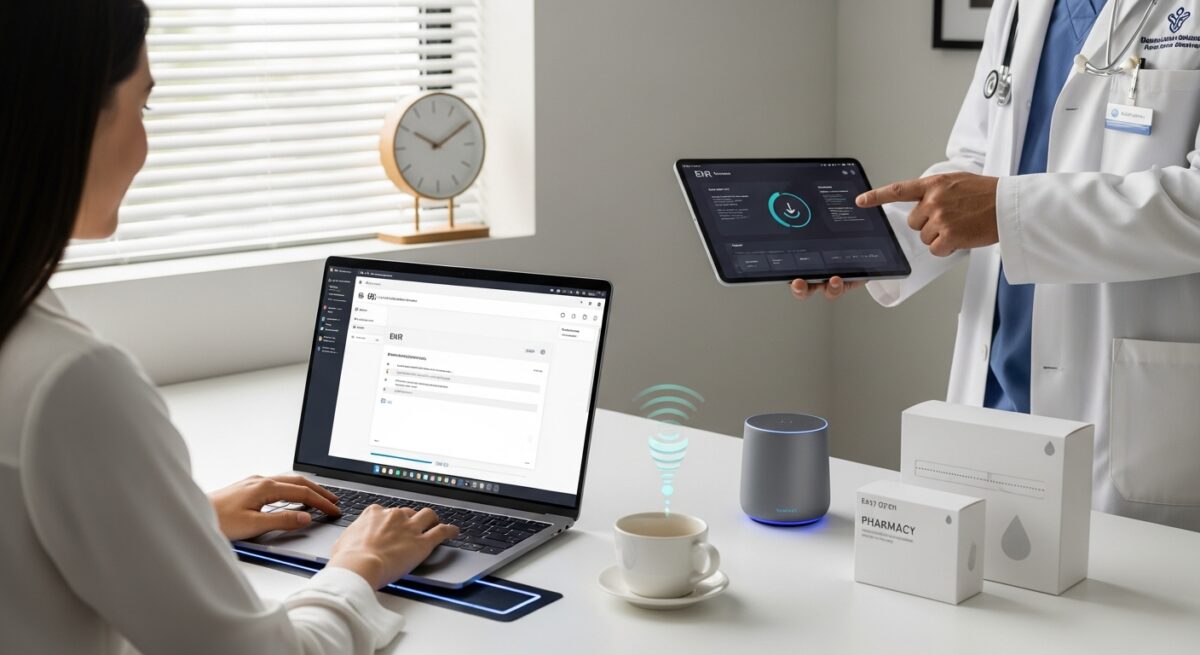
The shift from paper-based patient files to electronic systems is reshaping how healthcare providers store, access, and share medical information. Medical record digitalization and electronic systems are no longer optional upgrades but essential infrastructure for modern healthcare delivery. When a patient visits a telemedicine platform like DoctorsHome, the seamless flow of information from online forms to physician review to pharmacy fulfillment depends entirely on robust digital records. This transformation improves accuracy, speeds up diagnoses, and empowers patients to take control of their health data. Understanding how these systems work and what they mean for your care can help you make informed decisions about your healthcare journey.
What Is Medical Record Digitalization?
Medical record digitalization refers to the process of converting paper-based patient histories, lab results, prescriptions, and clinical notes into electronic formats that can be stored, retrieved, and shared digitally. This goes beyond simply scanning documents. It involves structuring data so that it becomes searchable, analyzable, and interoperable across different healthcare platforms. The digitalization of medical records eliminates the need for physical storage space, reduces the risk of lost files, and allows multiple authorized providers to access a patient’s information simultaneously from different locations.
For patients using telehealth services, this means that when you fill out an intake form online, your information is immediately available to the reviewing physician. There is no waiting for paper charts to be retrieved or faxed. The electronic health record system captures your symptoms, medication history, and test preferences in real time, enabling faster clinical decisions. This efficiency is particularly valuable for time-sensitive conditions such as herpes virus outbreaks or acute eye allergies, where delayed treatment can lead to unnecessary discomfort.
Core Components of an Electronic Health Record System
An electronic health record system is more than a digital filing cabinet. It is a comprehensive platform designed to manage every aspect of patient care. Understanding its components helps you appreciate how your data flows from one stage to another.
Key elements include:
- Patient Demographics and History: Basic information such as name, date of birth, contact details, and past medical conditions. This forms the foundation of your profile.
- Clinical Notes and Treatment Records: Detailed notes from each consultation, including physician observations, diagnoses, and treatment plans. These notes are timestamped and linked to specific visits.
- Prescription Management: Digital ordering and tracking of medications, including dosage instructions, refill authorizations, and pharmacy delivery details. This module ensures accuracy and reduces prescription errors.
- Laboratory and Test Results: Integration with at-home testing kits and lab systems so that results from tests like vitamin panels or STD screenings are automatically added to your record.
- Secure Messaging and Communication: Tools that allow patients and providers to exchange messages, ask follow-up questions, and receive updates without compromising privacy.
Each component works together to create a complete picture of your health. When you order an at-home test kit through DoctorsHome, the system links your test order to your existing profile, and once the lab processes the sample, the results are appended directly to your record. Your physician can then review those results and adjust your treatment plan accordingly, all within the same digital ecosystem.
Benefits for Patients and Providers
The advantages of medical record digitalization and electronic systems extend to everyone involved in the care process. For patients, the most immediate benefit is convenience. You no longer need to carry paper records from one doctor to another or repeat your medical history at every visit. When you use a telemedicine service, your information is already in the system, allowing the physician to focus on your current concerns rather than administrative details.
For healthcare providers, electronic medical records systems reduce clerical burden. Instead of deciphering handwritten notes or searching for lost files, doctors can pull up a patient’s complete history with a few clicks. This efficiency translates into more time for patient interaction and clinical decision-making. Additionally, digital systems support clinical decision support tools that alert providers to potential drug interactions, allergies, or guideline-based recommendations, further enhancing safety.
Another critical benefit is data security. Paper records can be stolen, damaged by water or fire, or misplaced. Digital records, when properly encrypted and access-controlled, offer superior protection. Platforms like DoctorsHome employ industry-standard security measures to ensure that your personal health information remains confidential. This is especially important for sensitive conditions where discretion is a priority.
How Digital Records Support Telemedicine
Telemedicine relies entirely on the ability to exchange information remotely. Without a robust electronic healthcare record system, virtual consultations would be impractical. When you initiate a visit through DoctorsHome, the process begins with an online form that captures your symptoms, medical history, and preferences. This data populates your digital record instantly. The reviewing physician accesses this information, asks clarifying questions if needed, and makes a clinical decision about your treatment.
The integration with pharmacy delivery is another example of digitalization in action. Once a prescription is authorized, the system automatically transmits the order to a partner pharmacy. The pharmacy prepares your medication and ships it in discreet packaging to your address, typically within two to five business days. Every step is tracked within the electronic health record, providing a complete audit trail from consultation to delivery. This level of coordination would be impossible with paper-based processes.
Furthermore, digital records enable continuity of care across multiple visits. If you return to DoctorsHome for a follow-up consultation or a new condition, the physician can review your previous records, see what treatments were prescribed, and assess your progress. This longitudinal view supports better clinical outcomes because the provider has context rather than starting from scratch each time.
Interoperability and Data Exchange
One of the challenges in healthcare has been the lack of interoperability between different electronic systems. A patient’s record in one hospital might not be accessible to a specialist in another clinic. However, modern standards such as HL7 and FHIR are improving data exchange. When you authorize your information to be shared, these protocols allow systems to communicate with each other securely.
For telemedicine platforms, interoperability means that you can integrate data from external labs, pharmacies, or other healthcare providers. For example, if you have previously been diagnosed with a condition by your primary care physician, and that information is stored in an electronic health record system, you can grant DoctorsHome access to that data. This avoids redundant testing and ensures that the telemedicine physician has a complete picture of your health.
The trend toward interoperability also supports public health initiatives. Aggregated, de-identified data from digital records can help researchers identify disease patterns, track outbreaks, and evaluate treatment effectiveness. Patients benefit indirectly from these insights through improved care protocols and earlier detection of emerging health threats.
Privacy and Security Considerations
With the convenience of digital records comes the responsibility to protect sensitive information. Healthcare providers must comply with regulations such as HIPAA in the United States, which sets standards for the privacy and security of protected health information. Electronic medical records systems are designed with multiple layers of security, including encryption, access controls, audit logs, and regular security assessments.
Patients also play a role in safeguarding their data. Using strong, unique passwords for patient portals, enabling two-factor authentication when available, and being cautious about sharing login credentials are simple but effective practices. When using a service like DoctorsHome, you can be confident that your information is handled with care. The platform’s privacy policy outlines how data is collected, used, and protected, and you have the right to request access to your records or ask for corrections.
It is also worth noting that digital records can actually enhance privacy compared to paper. With paper records, anyone with physical access to the filing cabinet could potentially view confidential information. Digital systems restrict access based on role-based permissions. Only the specific healthcare professionals involved in your care can see your data, and every access attempt is logged. If a breach occurs, digital records allow for rapid detection and response, something that is nearly impossible with paper.
For those interested in the broader implications of digitizing healthcare data, our guide on Medical Record Digitization: Modern Patient Data Systems explores how these technologies are transforming patient-provider relationships and improving health outcomes across the United States.
Frequently Asked Questions
What is the difference between an electronic medical record and an electronic health record?
An electronic medical record (EMR) is a digital version of the paper chart used within a single practice or clinic. It contains the medical and treatment history of patients in that specific setting. An electronic health record (EHR) is a more comprehensive system that includes data from multiple providers and can be shared across different healthcare organizations. EHRs are designed to follow the patient across the care continuum.
How long does it take for a telemedicine provider to access my digital records?
When you use a platform like DoctorsHome, your information is available to the reviewing physician as soon as you submit your online form. For records from external providers, access depends on whether you have authorized the exchange and whether the systems are interoperable. In many cases, this can happen within minutes to hours.
Are my digital medical records safe from hackers?
Healthcare systems employ robust security measures including encryption, firewalls, and intrusion detection systems. While no system is completely immune to cyber threats, the healthcare industry invests heavily in protecting patient data. You can further protect yourself by using strong passwords and not sharing your login credentials.
Can I request a copy of my digital medical records?
Yes, under HIPAA you have the right to access and obtain a copy of your health records. Providers are required to provide this information in a timely manner, usually within 30 days. You may need to submit a written request and possibly pay a reasonable fee for copying and mailing.
What happens to my records if I switch healthcare providers?
Your records remain with the original provider, but you can request that they be transferred to your new provider. With interoperable systems, this transfer can be done electronically. You may need to sign an authorization form to allow the release of your information.
The transition to digital records also creates new opportunities for managing healthcare costs. Some patients use digital records to track expenses and maximize insurance benefits. For example, you can explore options like auto loan refinancing to free up funds for healthcare expenses, though this is unrelated to medical record systems themselves.
Embracing the Future of Healthcare Data
Medical record digitalization and electronic systems represent a fundamental shift in how healthcare is delivered and experienced. For patients, the benefits include faster access to care, reduced administrative burden, and greater control over personal health information. For providers, digital records enable more efficient workflows, better clinical decision support, and improved patient safety. As telemedicine continues to grow, the role of these systems will only become more central.
Whether you are managing a chronic condition, seeking treatment for a specific issue like herpes or eye allergies, or simply exploring at-home testing options, understanding how digital records work helps you engage more effectively with your healthcare provider. By choosing platforms that prioritize secure, interoperable, and patient-centered digital systems, you are investing in a healthcare experience that is both convenient and comprehensive.
About the Author: Michael Anderson





Sign up for our newsletter and Save 20% on Test Kits
"*" indicates required fields