
Virtual Doctor Visits and Online Healthcare Access
Virtual Doctor Visits and Online Healthcare Access
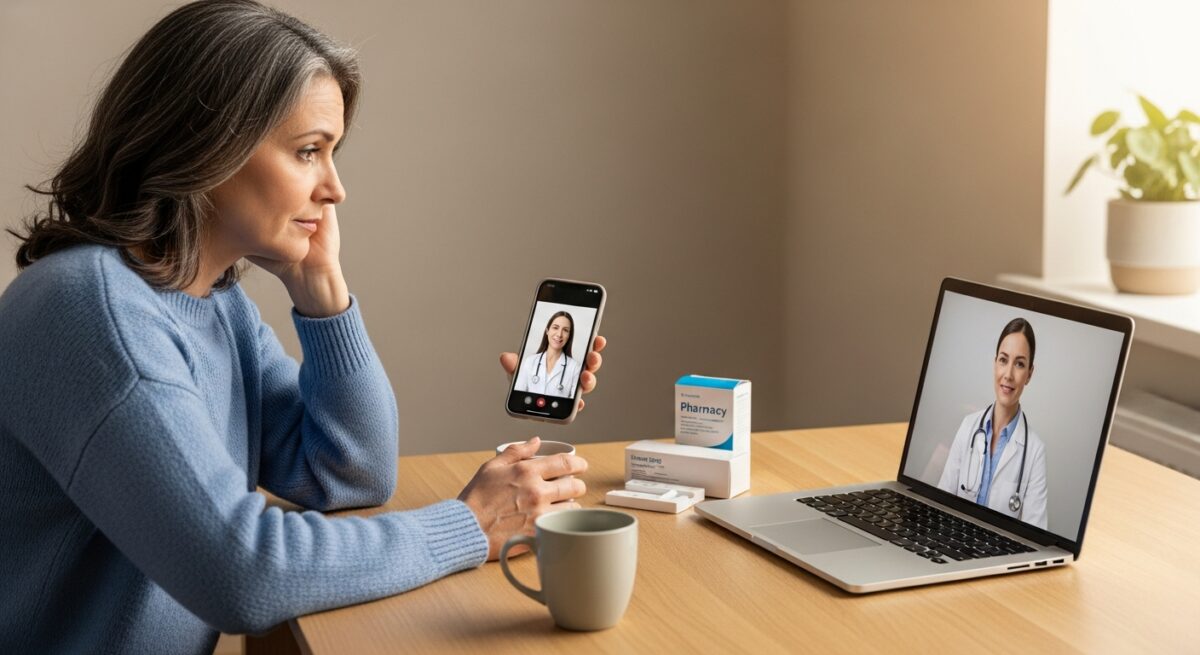
The way people receive medical care has shifted dramatically in recent years, with more patients turning to digital solutions for their healthcare needs. Virtual doctor visits and online healthcare access have transformed from a niche convenience into a mainstream necessity, offering a bridge between patients and providers that bypasses waiting rooms and long commutes. For individuals managing busy schedules, chronic conditions, or simply seeking discretion, the ability to connect with a licensed professional through a screen provides an unprecedented level of flexibility. This evolution is not just about technology, it is about redefining what it means to receive quality care on your own terms.
Understanding the Shift Toward Telemedicine
The adoption of telemedicine accelerated rapidly as patients sought safe, remote alternatives to in-person clinics. A virtual doctor visit now encompasses everything from routine check-ups to specialist consultations, all conducted through secure video calls or structured online forms. This shift has been driven by both patient demand and provider innovation, with platforms like DoctorsHome leading the way in offering streamlined access to medical professionals. The convenience of booking a doctor virtual appointment from home eliminates barriers such as travel time, childcare issues, or time off work, making healthcare more accessible than ever before.
Beyond convenience, online healthcare access addresses a critical need for those in underserved areas or with limited mobility. Patients who previously struggled to find a nearby specialist can now connect with providers across state lines, provided licensing allows. This democratization of care means that a virtual appointment doctor can evaluate symptoms, prescribe medications, and order tests without the patient ever stepping foot in a clinic. The process is designed to be efficient, with many platforms offering same-day or next-day slots, reducing the anxiety of waiting for care.
How Virtual Medical Appointments Work in Practice
Engaging in a virtual medical appointment typically begins with a simple online intake process. Patients visit a telemedicine platform, select their symptoms or condition, and fill out a health questionnaire. This information is reviewed by a licensed medical professional who determines the appropriate course of action. For example, at DoctorsHome, the process involves filling out a form, undergoing a doctor review, and then receiving a prescription or test kit delivered to your door within two to five business days. The entire experience is designed to be discreet, with packages arriving in plain packaging and no signature required.
During a live video consultation, the provider will ask about symptoms, medical history, and any medications you are currently taking. This mirrors a traditional office visit but with the added benefit of being in your own environment. The doctor can diagnose common conditions, recommend treatments, and even order at-home testing kits for further analysis. After the appointment, any prescriptions are sent electronically to a pharmacy or directly through the platform, ensuring a seamless transition from consultation to treatment. This model works particularly well for conditions like herpes virus, eye allergies, and urinary tract infections, where timely intervention can prevent complications.
Key Steps in a Typical Virtual Visit
To help you understand what to expect, here is a breakdown of the standard steps involved in a virtual doctor appointment:
- Create an account and describe your symptoms: You start by providing basic health information through a secure online form. This step helps the platform match you with an appropriate provider and streamlines the consultation.
- Connect with a licensed provider: Depending on the platform, you may have a live video call or an asynchronous review where a doctor examines your submitted details and responds within a few hours.
- Receive a diagnosis and treatment plan: The provider discusses your condition, offers medical advice, and if appropriate, prescribes medication or recommends an at-home test kit for further evaluation.
- Get prescriptions or test kits delivered: Approved medications are sent to your preferred pharmacy or shipped directly to your home in discreet packaging, often within two to five business days.
This structured approach ensures that patients receive timely care without the overhead of traditional appointments. The efficiency of this model has made virtual medical appointments a go-to option for millions of Americans seeking quick, reliable healthcare solutions.
Benefits of Choosing Online Healthcare Access
The advantages of online healthcare access extend beyond mere convenience. For many patients, the ability to consult a doctor virtually reduces the risk of exposure to contagious illnesses, a concern that remains relevant in a post-pandemic world. Additionally, virtual visits often cost less than in-person appointments, with many platforms offering transparent pricing and no hidden fees. This affordability makes it easier for individuals without insurance or with high deductibles to seek care when they need it most.
Another significant benefit is the focus on privacy. Conditions like herpes or sexual health concerns can be sensitive, and the thought of discussing them in a crowded waiting room can deter people from seeking help. Virtual platforms address this by allowing patients to communicate from a private location, ensuring confidentiality. Online healthcare consultations in Gresham, Oregon have shown how localized services can integrate telemedicine to meet community needs, offering residents a discreet path to care without the stigma sometimes associated with certain conditions. This level of privacy encourages more people to take proactive steps toward their health.
Common Conditions Treated Through Virtual Visits
While not all medical issues can be resolved remotely, a wide range of common conditions are well-suited for virtual care. Platforms like DoctorsHome specialize in treating herpes virus and eye allergies, providing prescription medications that are shipped directly to patients. Other frequent reasons for a virtual appointment include sinus infections, cold and flu symptoms, skin rashes, and urinary tract infections. For chronic conditions such as high cholesterol or thyroid disorders, virtual visits can be used for medication management and follow-up care, reducing the need for frequent lab visits.
At-home testing kits further expand the scope of online healthcare. Patients can order tests for vitamin deficiencies, hormone levels, STDs, and more, all from the comfort of home. The process involves collecting a sample (blood, saliva, or urine) and mailing it to a lab. Results are reviewed by a doctor who then provides guidance on next steps. This integration of testing and consultation creates a comprehensive care loop that rivals traditional in-person experiences for many non-emergency situations.
Potential Limitations and Considerations
Despite its many benefits, virtual healthcare has limitations that patients should understand. Physical examinations are limited to what can be observed through a camera, which means conditions requiring hands-on assessment (such as abdominal pain or joint injuries) may still necessitate an in-person visit. Additionally, not all insurance plans cover telemedicine equally, and some states have restrictions on cross-border prescriptions. Patients should verify coverage and licensing before booking a virtual appointment.
Technology can also be a barrier for some individuals, particularly older adults or those in areas with poor internet connectivity. Platforms are working to address this by offering phone-based consultations and user-friendly interfaces, but it remains a consideration. Finally, emergency situations such as chest pain, severe bleeding, or difficulty breathing should always be handled by calling 911, not by scheduling a virtual visit. Understanding these boundaries ensures that patients use online healthcare access appropriately and safely.
Frequently Asked Questions
How do I prepare for a virtual doctor visit? Ensure you have a stable internet connection, a quiet private space, and a list of your current medications and symptoms. Have your ID and insurance information ready if required.
Will my insurance cover a virtual medical appointment? Many insurance plans now include telemedicine coverage, but it is best to check with your provider beforehand. Some platforms offer affordable self-pay options if insurance does not apply.
Can I get a prescription during a virtual visit? Yes, licensed providers can prescribe medications for conditions they are qualified to treat. Controlled substances may have additional restrictions depending on state laws.
How are test kits delivered and processed? At-home test kits are shipped in discreet packaging. You collect the sample, mail it to the lab using the prepaid envelope, and receive results through the platform within a few days.
Is my personal health information secure? Reputable telemedicine platforms use encrypted systems and comply with HIPAA regulations to protect your data. Always verify the platform’s privacy policy before sharing sensitive information.
Virtual doctor visits and online healthcare access continue to evolve, offering patients a flexible, efficient alternative to traditional care. By understanding how these services work and what they can treat, individuals can make informed decisions about their health. As technology improves and regulations adapt, the role of telemedicine in everyday healthcare will only grow, making it an essential tool for modern wellness. Learn more
About the Author: Sarah Thompson





Sign up for our newsletter and Save 20% on Test Kits
"*" indicates required fields