

How to Get a Prescription Through a Virtual Doctor Consultation
How to Get a Prescription Through a Virtual Doctor Consultation

Imagine needing a medication refill, a treatment for a sudden allergy flare-up, or advice on a recurring condition, but your schedule is packed, or the doctor’s office is closed. This common frustration is precisely why virtual doctor consultation with prescription services has transformed from a niche convenience into a mainstream healthcare solution. Telemedicine platforms now offer a streamlined, secure, and effective way to connect with licensed medical professionals from the comfort of your home, office, or anywhere with an internet connection. This model of care is not just about convenience, it represents a fundamental shift in how we access and manage our health, providing timely medical intervention and prescription services for a wide range of non-emergency conditions without the traditional barriers of time and location.
Understanding the Virtual Consultation and Prescription Process
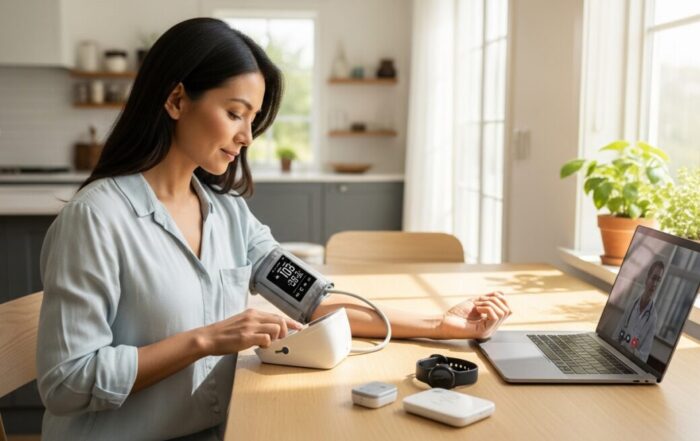
A virtual doctor consultation with prescription is a structured medical appointment conducted via secure video, phone, or online messaging. It is designed to diagnose and treat appropriate conditions remotely, culminating in a legally valid electronic prescription sent directly to your chosen pharmacy if the provider deems it medically necessary. The process is built on the same standards of care as an in-person visit, prioritizing patient safety and accurate diagnosis. Licensed physicians, nurse practitioners, or physician assistants conduct these consultations, reviewing your medical history, discussing your symptoms, and making clinical decisions just as they would in a physical office. The key distinction is the medium, which eliminates travel, waiting rooms, and potential exposure to other illnesses, creating a highly efficient patient experience.
The journey typically begins on a platform’s website or mobile app. You will create an account, provide basic personal and medical history information, and select an available appointment time, often with the option for same-day or next-day scheduling. During the consultation itself, the provider will engage in a detailed discussion about your current health concern. Be prepared to describe your symptoms clearly: their onset, duration, severity, and any factors that make them better or worse. Visual cues can be incredibly helpful in a virtual setting. For conditions like skin rashes, eye allergies, or other visible issues, having good lighting and the ability to show the affected area via your device’s camera can greatly aid the provider’s assessment. This interactive dialogue is the cornerstone of an accurate remote diagnosis.
Conditions Commonly Treated Through Telemedicine
Virtual care is exceptionally well-suited for managing a variety of acute, chronic, and follow-up conditions. The scope of treatable issues has expanded significantly as technology and clinical guidelines have evolved. It is crucial to understand that telemedicine is not for medical emergencies like chest pain, severe shortness of breath, or stroke symptoms, which require immediate in-person emergency care. Instead, it excels in providing accessible care for many common ailments.
Common conditions appropriate for a virtual doctor consultation with prescription include respiratory infections like sinusitis, bronchitis, and strep throat (where a test may be required), urinary tract infections (UTIs), skin conditions such as acne, eczema, psoriasis, and rashes, and allergies, including seasonal allergies and specific issues like eye allergies. Furthermore, mental health support for anxiety, depression, and insomnia is a major area of telemedicine, along with chronic disease management for stable conditions like hypertension or diabetes that require medication management. Importantly, many platforms also specialize in discreet and convenient treatment for sensitive conditions. For instance, services like Doctors Home offer focused care for herpes virus management and eye allergy prescriptions, providing a private channel to consult with a professional and receive necessary treatment without an office visit.
The Prescription Pathway: Safety, Legality, and Fulfillment
A core component and common goal of a virtual visit is obtaining necessary medication. The prescription process in telemedicine is governed by strict federal and state regulations to ensure patient safety. A provider can only prescribe medication after establishing a valid patient-provider relationship, which is formed during the consultation through a good-faith medical interview, history review, and diagnosis. Controlled substances (Schedule II-V medications) have much stricter regulations, and many states prohibit their prescription via telemedicine alone, often requiring an initial in-person evaluation. However, for a broad range of non-controlled medications, the process is straightforward and secure.
If, after the consultation, the healthcare provider determines that a prescription is medically appropriate and safe for your condition, they will issue an electronic prescription (e-prescription). This digital script is sent directly and securely from the provider’s system to the pharmacy of your choice. This method reduces errors associated with handwritten prescriptions and speeds up the fulfillment process. You can typically select any local retail pharmacy or a preferred mail-order service. It is always advisable to call your pharmacy ahead of time to verify they have received the e-script and to check on medication availability and cost. The entire pathway, from diagnosis to pharmacy notification, can often be completed in under an hour, exemplifying the efficiency of integrated virtual care.
Key Benefits of Choosing a Virtual Consultation
The advantages of opting for a virtual doctor consultation with prescription extend far beyond simple convenience. This model of care addresses several systemic challenges in traditional healthcare, creating a more patient-centric experience. One of the most significant benefits is unparalleled access. It breaks down geographical barriers for patients in rural areas or those with mobility challenges and eliminates long commute and waiting room times for everyone. This often translates into same-day or next-day access to care, preventing minor issues from worsening.
Furthermore, virtual consultations offer pronounced convenience and time savings. There is no need to take half a day off work, arrange childcare, or sit in a waiting room full of other sick patients. You can have your appointment during a lunch break or from your living room. This also enhances privacy and reduces stigma for individuals seeking care for sensitive conditions, allowing them to consult a doctor discreetly. From a public health perspective, it minimizes exposure to other contagious illnesses, a factor that became critically important during the COVID-19 pandemic and remains valuable during cold and flu season. Finally, for many, it can be more affordable. While you are still paying for a medical service, you save on transportation costs, parking fees, and potentially lost wages. Many insurance plans now cover telemedicine visits, and self-pay rates are often transparent and competitive.
To summarize the core advantages:
- Enhanced Access: Care for those in remote locations or with transportation limitations.
- Significant Time Efficiency: Eliminates commute and clinic wait times.
- Greater Convenience: Appointments from anywhere with privacy and comfort.
- Reduced Exposure Risk: Limits contact with other sick patients in waiting rooms.
- Potential Cost Savings: Saves on ancillary costs like travel and time off work.
Preparing for Your First Virtual Appointment
To ensure your virtual doctor consultation is as productive and smooth as possible, a little preparation goes a long way. First, tackle the technical setup. Ensure your device (smartphone, tablet, or computer) is charged, has a stable internet connection, and that the telemedicine app or website is installed and updated. Test your camera, microphone, and speakers beforehand. Choose a quiet, private, and well-lit location for your call where you won’t be interrupted. Good lighting in front of you (not behind you) is essential for the provider to see you clearly if a video exam is needed.
Next, prepare your medical information just as you would for an in-person visit. Write down a clear, concise description of your symptoms, including when they started, what makes them better or worse, and their severity. Have a list of all current medications, including dosages, and any known allergies ready. Your medical history, including past surgeries, chronic conditions, and the names of your primary care doctor and any specialists, should be accessible. If your concern is visible (a rash, eye redness, etc.), ensure the area is clean and unobstructed so you can show it clearly on camera. Being organized helps you communicate effectively and allows the provider to gather all necessary information to make the best clinical decision, including whether a prescription is safe and appropriate for you.
Frequently Asked Questions About Virtual Prescriptions
Are prescriptions from online doctors legitimate? Yes, absolutely. When you use a legitimate, state-licensed telemedicine platform like Doctors Home, you are consulting with fully licensed and credentialed healthcare professionals who operate within the law. They issue electronic prescriptions that are sent directly to licensed pharmacies, identical to those from a physical clinic.
What medications can I NOT get through telemedicine? Federal and state laws strictly regulate the prescription of controlled substances (e.g., many ADHD medications, certain pain relievers, anxiety medications like Xanax) via telemedicine. Most platforms do not prescribe these, often requiring an established in-person relationship. Medications that require hands-on physical examination, ongoing monitoring with specific in-office tests, or are considered high-risk are also typically not prescribed.
How quickly can I get my prescription after the consultation? If the provider determines a prescription is warranted, they will usually send the e-prescription to your chosen pharmacy within minutes of concluding the visit. You can then contact the pharmacy to confirm receipt and pickup time. In many cases, the medication can be ready within the hour.
Will my insurance cover a virtual consultation? Coverage has expanded dramatically. Most major insurance plans, including Medicare and many Medicaid programs, now cover telemedicine visits. It is always best to check with your specific insurance provider to understand your copay, coinsurance, or deductible requirements. Platforms often provide clear self-pay pricing for those without coverage or preferring that option.
Is my health information secure during a virtual visit? Reputable telemedicine providers use HIPAA-compliant, encrypted software platforms specifically designed for secure healthcare communication. Your video, audio, and personal health information are protected with the same stringent standards required of hospitals and physical clinics.
The integration of virtual doctor consultation with prescription services into the healthcare landscape is a testament to the demand for more accessible, efficient, and patient-friendly care. By understanding how the process works, what conditions it can treat, and how to prepare, you can confidently leverage this tool to manage your health proactively. It serves as a powerful complement to traditional care, offering a practical solution for many everyday health needs while maintaining the critical connection between patient and provider that is fundamental to good medicine.
About the Author: Natalie Carter




Sign up for our newsletter and Save 20% on Test Kits
"*" indicates required fields