
Dayton Ohio Remote Physician Visits via Video Chat
Dayton Ohio Remote Physician Visits via Video Chat
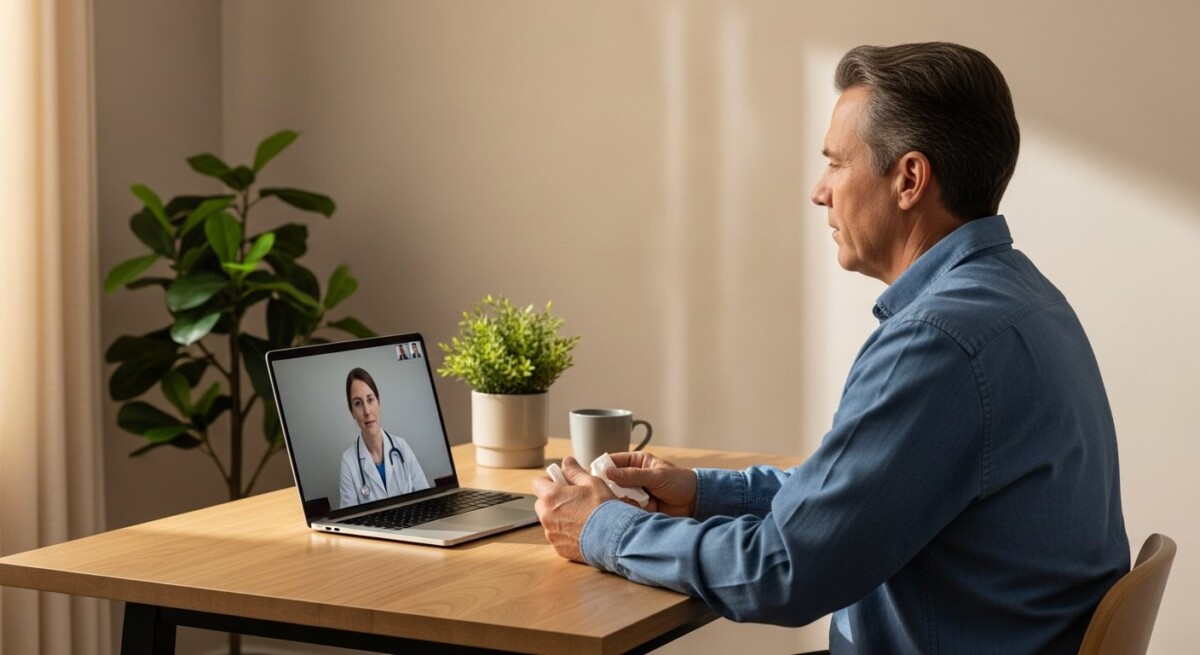
Imagine waking up with a sore throat, a suspicious rash, or the telltale signs of an eye allergy. In the past, your only option was to drive across Dayton, sit in a waiting room filled with other sick patients, and hope the doctor had time to see you before lunch. Today, residents of the Gem City have a smarter, faster, and more private option: Dayton, Ohio remote physician visits via video chat. This modern approach to healthcare puts a board-certified physician on your screen in minutes, without the traffic, the waiting, or the exposure to other illnesses. For busy professionals, parents juggling school runs, and anyone who values their time, video-based telemedicine is transforming how Dayton gets care.
Telemedicine is not a futuristic concept anymore. It is a practical, everyday tool that has been embraced by major health systems and independent providers across Ohio. In Dayton, where the healthcare landscape includes prominent institutions like Kettering Health and Premier Health, the shift toward virtual care has been accelerated by patient demand for convenience and safety. Whether you need a prescription refill for a chronic condition or a one-time consultation for a minor ailment, a remote physician visit can often resolve your issue without ever leaving your home. This article explores how these visits work, what conditions they treat, and why they are becoming the default choice for thousands of Dayton residents.
How Dayton Remote Physician Visits Work
The process for a Dayton, Ohio remote physician visit via video chat is remarkably simple. It starts with finding a telemedicine provider that serves Ohio residents. Many national platforms and local clinics now offer this service. After selecting a provider, you typically create an account, fill out a brief medical history form, and describe your current symptoms. You then choose a convenient time for a live video consultation. Some platforms even offer on-demand appointments, meaning you can connect with a doctor within minutes without scheduling ahead.
During the video call, the physician will ask about your symptoms, review your history, and may even observe visible signs of illness through your camera. For conditions like pink eye, skin rashes, or cold sores, this visual assessment is often sufficient for an accurate diagnosis. If the doctor determines that medication is appropriate, they can send an electronic prescription directly to a pharmacy of your choice in Dayton. At DoctorsHome, for example, the entire process from form submission to prescription delivery is streamlined to take just a few business days, and the packaging is discreet for your privacy.
It is worth noting that not every medical issue can be handled through a video chat. Chest pain, severe injuries, or symptoms of a stroke require immediate in-person emergency care. However, for the vast majority of common complaints, a remote visit is not only adequate but often preferred. Patients appreciate the reduced wait times and the ability to consult a doctor from the comfort of their living room. As we discussed in our article on Port St. Lucie remote physician visits via video chat, the model is identical across states, with the key difference being the licensed physicians serving each region.
Common Conditions Treated Through Video Visits in Dayton
Dayton residents use remote physician visits for a wide range of non-emergency health concerns. The most common categories include respiratory infections (sinusitis, bronchitis, colds), skin conditions (eczema, poison ivy, acne), urinary tract infections, and eye allergies. For busy families, the ability to get a same-day consultation for a child’s earache or a teenager’s strep throat is a game changer. Parents no longer have to miss a full day of work to sit in a pediatric waiting room.
Another significant use case is the management of chronic conditions. Patients with diabetes, high blood pressure, or asthma can use video check-ins to discuss lab results, adjust medications, and receive ongoing care plans without the burden of monthly office visits. This is especially valuable for seniors or individuals with mobility challenges. Additionally, telemedicine has proven highly effective for mental health support, including therapy sessions and medication management for anxiety or depression. The privacy of a video call can make it easier for patients to open up about sensitive issues.
DoctorsHome specializes in treating conditions like herpes virus outbreaks and eye allergies through virtual consultations. For someone in Dayton experiencing the discomfort of a cold sore or the itchiness of allergic conjunctivitis, a video visit can lead to a prescription that is delivered to their door within days. This eliminates the embarrassment of discussing these issues in a crowded clinic and speeds up the path to relief.
What to Expect During a Consultation for Eye Allergies
Eye allergies are one of the conditions that translate perfectly to video diagnosis. During the call, the doctor will ask about your symptoms: redness, itching, watering, and whether both eyes are affected. They will also ask about seasonal triggers, pet exposure, and any over-the-counter drops you have tried. The doctor can see the visible signs of inflammation through your camera. If prescription eye drops are needed, the doctor can send the order to a pharmacy. In some cases, the provider may recommend an at-home allergy test to identify specific triggers, which can be ordered through the same platform.
Benefits of Choosing Video Visits Over In-Person Care
The advantages of Dayton, Ohio remote physician visits via video chat extend beyond simple convenience. First, there is the matter of cost. Many telemedicine visits are significantly cheaper than a traditional office visit, especially for those without insurance. Even with insurance, the copay for a virtual visit is often lower. Second, there is the time savings. The average in-person doctor visit takes about two hours when you factor in travel, check-in, waiting, and the exam itself. A video visit typically lasts 10 to 15 minutes, with no travel time at all.
Third, there is the issue of infection control. In a traditional waiting room, you are exposed to other sick patients. During flu season or a pandemic, this is a real concern. A video visit keeps you in your own clean environment. Fourth, there is accessibility. For those living in the outskirts of Dayton or in rural parts of Montgomery County, a trip to a specialist can mean a long drive. Telemedicine bridges that gap, bringing specialist care to anyone with a smartphone or computer.
Finally, there is the intangible benefit of comfort. Many patients feel more relaxed discussing health concerns from their own home. This can lead to more honest conversations and better outcomes. For sensitive issues like sexual health or mental health, the privacy of a video call is invaluable. Our guide on Vancouver Washington remote physician visits via video chat illustrates how patients in other cities have embraced these same benefits, and Dayton is no different.
What You Need for a Successful Video Visit
To get the most out of a remote physician visit, you need a few basic things:
- A reliable internet connection (Wi-Fi or cellular data)
- A smartphone, tablet, or computer with a working camera and microphone
- A quiet, well-lit room where you can speak privately
- A list of your current medications and any known allergies
- Your photo ID and insurance information (if applicable)
Before the appointment, test your camera and microphone. Make sure your device is charged or plugged in. If you are using a platform like DoctorsHome, you may need to create an account and complete a medical questionnaire beforehand. It is also helpful to write down your symptoms and any questions you have for the doctor. This ensures you do not forget anything during the short consultation window.
Choosing the Right Telemedicine Provider in Dayton
Not all telemedicine services are the same. When selecting a provider for Dayton, Ohio remote physician visits via video chat, consider the following factors: licensing (the doctor must be licensed in Ohio), the range of conditions treated, the cost per visit, and whether the provider offers prescription delivery. Some services only treat a narrow set of conditions, while others are more comprehensive. DoctorsHome, for instance, focuses on specific conditions like herpes and eye allergies but also offers at-home testing kits that can be ordered directly through the platform.
It is also important to check whether the provider integrates with your existing healthcare system. Some patients prefer a service that shares records with their primary care doctor. Others want a standalone service for quick, one-off issues. Read reviews from other Dayton patients to get a sense of the provider’s reliability and customer service. Look for platforms that are transparent about pricing and do not require hidden membership fees.
Frequently Asked Questions
Can I get a prescription during a video visit?
Yes, if the doctor determines that medication is appropriate for your condition. Controlled substances are typically not prescribed through telemedicine, but common medications for infections, allergies, and skin conditions are frequently prescribed. The prescription is sent electronically to a pharmacy near you.
Is a video visit covered by my insurance?
Many insurance plans, including Medicare and Ohio Medicaid, cover telemedicine visits. Coverage varies by plan, so it is best to check with your insurance provider before the appointment. Some telemedicine services offer flat-rate pricing for uninsured patients, often much lower than an in-person visit.
What if I need a physical exam?
For many conditions, a visual exam through the camera is sufficient. The doctor can ask you to point the camera at a rash, show your throat, or demonstrate your range of motion. For issues that require hands-on examination, the doctor will advise you to visit an urgent care or primary care office.
Are video visits secure and private?
Reputable telemedicine platforms use HIPAA-compliant video software to protect your health information. The consultation is not recorded or shared without your consent. You should conduct the call in a private space to ensure confidentiality.
How do I know if a video visit is right for my condition?
If you have a non-emergency issue such as a cold, sinus infection, rash, urinary tract infection, or allergy symptoms, a video visit is a good first step. If your symptoms are severe, include chest pain, shortness of breath, or bleeding, call 911 or go to the nearest emergency room.
Dayton residents are increasingly choosing the convenience and efficiency of virtual care. With platforms like DoctorsHome offering targeted treatment for common conditions and at-home testing options, the barrier to quality healthcare has never been lower. Whether you live near the Oregon District or in the suburbs of Beavercreek, a physician is just a video call away. The next time a minor health issue disrupts your day, consider skipping the waiting room and logging on instead. Your time, your privacy, and your health will all benefit from the choice.
About the Author: Kevin Ramirez


Sign up for our newsletter and Save 20% on Test Kits
"*" indicates required fields