
Beyond COVID: What At-Home Test Kits Detect Now
Beyond COVID: What At-Home Test Kits Detect Now
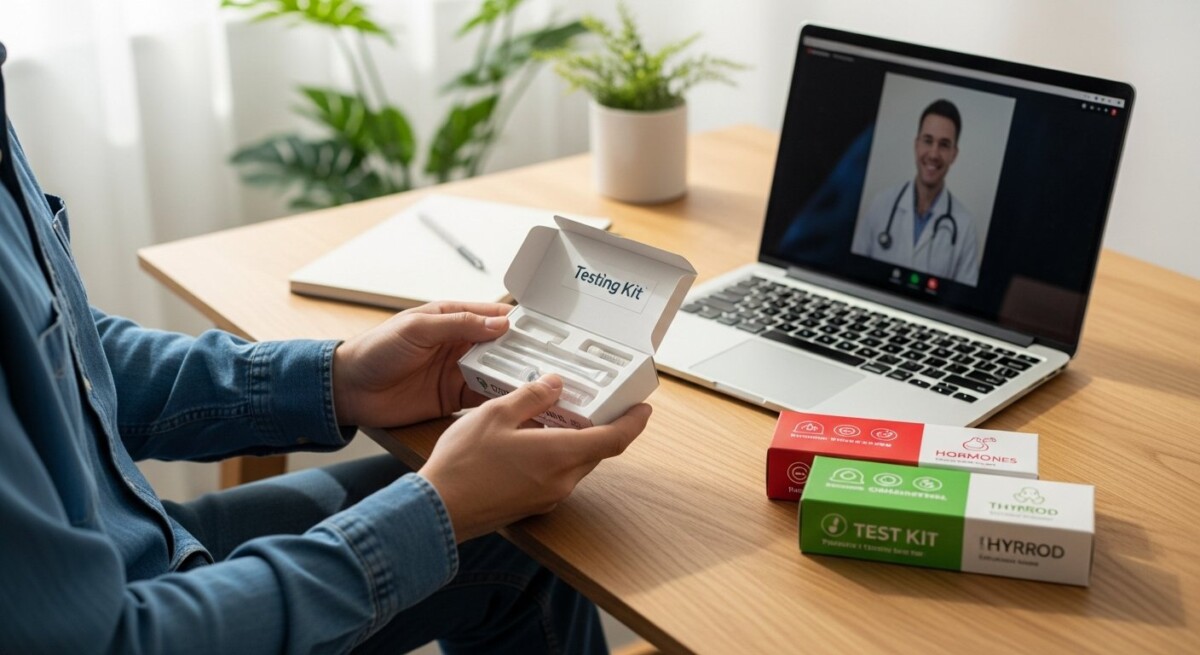
The pandemic brought at-home testing into the mainstream, but the convenience of collecting a sample in your own home extends far beyond a single virus. Today, a wide range of conditions can be screened for without stepping into a clinic. This shift is reshaping how people manage their health, offering privacy, speed, and accessibility. If you have been curious about what at-home test kits can detect beyond COVID, the answer is both broad and empowering. From hormone imbalances to chronic disease markers, these kits put actionable health information directly into your hands.
At-home testing is not just about convenience. It allows individuals to take the first step in monitoring their health without the logistical hurdles of scheduling an appointment, traveling to a lab, or taking time off work. For many, it also reduces the anxiety associated with clinical settings. The key is knowing which tests are reliable, what they measure, and how to use the results effectively. This article explores the full spectrum of at-home health tests available today and how they can fit into a proactive wellness routine.
Understanding the At-Home Testing Landscape
At-home test kits have evolved significantly since the early days of simple pregnancy tests. Modern kits use sophisticated methods like dried blood spot analysis, saliva sampling, and even stool collection to detect a wide range of biomarkers. The process is generally standardized: you order a kit online, collect the sample at home following clear instructions, mail it to a certified laboratory, and receive your results through a secure online portal within days. Many platforms, including DoctorsHome, offer a variety of these tests through a streamlined telemedicine model, where a licensed provider reviews your order and ensures the test is appropriate for your health concerns.
The regulatory landscape is important to understand. Most at-home tests that screen for medical conditions are regulated by the FDA, though some are marketed as “wellness” or “informational” tests. The distinction matters. A test approved for diagnostic use has undergone rigorous validation, while a wellness test may provide insights but is not intended to replace a clinical diagnosis. When choosing a kit, look for those that involve a physician review and are processed in CLIA-certified laboratories. This ensures accuracy and that you have a professional to help interpret the results.
Hormone and Fertility Testing
Hormones govern nearly every bodily function, from metabolism to mood. At-home kits can now measure key hormones that once required a blood draw at a lab. For men, tests for testosterone, cortisol, and thyroid-stimulating hormone (TSH) are common. Low testosterone can cause fatigue, reduced libido, and muscle loss. A simple finger-prick test can provide levels of total and free testosterone, helping men identify potential issues early.
For women, fertility testing is one of the most popular categories. These kits measure hormones like follicle-stimulating hormone (FSH), luteinizing hormone (LH), estradiol, and anti-Müllerian hormone (AMH). The results can indicate ovarian reserve and help women understand their reproductive timeline. Some kits also track progesterone to confirm ovulation. This information is invaluable for those trying to conceive or simply wanting to understand their menstrual health better.
Thyroid function is another area where at-home testing excels. The thyroid gland affects energy, weight, and heart rate. Tests for TSH, T3, and T4 can reveal hypothyroidism or hyperthyroidism, conditions that often go undiagnosed for years. If results are abnormal, the next step is a telehealth consultation with a provider who can order follow-up labs or prescribe treatment. This seamless connection between testing and care is a major advantage of integrated platforms like DoctorsHome.
Sexual and Reproductive Health Screening
Privacy is a major driver for at-home STD testing. Kits are available for chlamydia, gonorrhea, syphilis, HIV, herpes, hepatitis B, and hepatitis C. The process typically involves a urine sample or a genital swab, which you collect and mail in a pre-addressed envelope. Results are available in a few days, and many services offer free physician counseling if you test positive.
Testing for herpes simplex virus (HSV) is particularly common. Since many people carry the virus without symptoms, a blood test for HSV-1 and HSV-2 antibodies can reveal past exposure. This knowledge allows individuals to manage the condition and discuss it with partners. For those who experience outbreaks, at-home testing combined with telemedicine can lead to a prescription for antiviral medication, which DoctorsHome offers as a discreet service.
Hepatitis B and C testing is also available. These viral infections can cause liver damage if untreated, but many people are unaware they carry the virus. An at-home test using a finger-prick blood sample can detect antibodies or antigens, providing a critical early warning. With the availability of effective treatments, early detection through home testing can be life-saving.
Chronic Disease and Organ Function Markers
Cardiovascular disease remains the leading cause of death globally. At-home kits can now measure key risk markers like total cholesterol, HDL, LDL, triglycerides, and C-reactive protein (CRP). High CRP indicates inflammation, which is a risk factor for heart disease. Regular monitoring can help individuals track the impact of diet and exercise changes without repeated trips to the lab.
Diabetes management is another strong use case. Hemoglobin A1c tests measure average blood sugar over the past three months. This is a standard tool for diagnosing prediabetes and diabetes, and for monitoring glucose control in those already diagnosed. At-home A1c kits allow for more frequent testing, which can motivate lifestyle changes and help patients discuss medication adjustments with their doctor.
Kidney and liver function tests are also available. These panels measure creatinine, blood urea nitrogen (BUN), and liver enzymes like ALT and AST. For individuals taking medications that affect these organs, or for those with a family history of kidney disease, periodic at-home monitoring offers peace of mind and early detection of abnormalities.
Vitamin and Nutritional Deficiency Screening
Many people experience symptoms of vitamin deficiencies without knowing the cause. Fatigue, hair loss, brain fog, and muscle cramps can stem from low levels of vitamin D, vitamin B12, iron, or folate. At-home tests for these nutrients are straightforward and increasingly popular.
Vitamin D deficiency is particularly widespread due to indoor lifestyles and sunscreen use. A simple blood spot test can measure 25-hydroxyvitamin D levels. If levels are low, supplementation can be started under medical guidance. Similarly, vitamin B12 deficiency is common in vegetarians, vegans, and older adults. B12 testing can confirm a deficiency before irreversible nerve damage occurs.
Iron testing is important for those with heavy menstrual bleeding, frequent blood donors, or anyone with unexplained fatigue. A ferritin test measures iron storage levels. Low ferritin can indicate iron deficiency anemia, while high levels may suggest inflammation or iron overload disorders. These insights allow for targeted dietary changes or supplementation.
Gastrointestinal and Gut Health Tests
The gut microbiome is a hot topic in health research. At-home tests can analyze stool samples to assess gut bacteria diversity, digestive function, and markers of inflammation. Some tests screen for calprotectin, a protein that indicates intestinal inflammation, which can help differentiate between irritable bowel syndrome (IBS) and inflammatory bowel disease (IBD).
Celiac disease testing is also available. A blood test for tissue transglutaminase antibodies (tTG-IgA) can screen for this autoimmune condition triggered by gluten. If positive, a physician will typically recommend an endoscopic biopsy for confirmation. Early diagnosis is crucial to prevent long-term damage to the small intestine.
Another emerging area is testing for H. pylori, a bacterium that causes stomach ulcers and is linked to gastric cancer. A stool antigen test can detect the infection, and a positive result can lead to antibiotic treatment. This is a prime example of how at-home testing can address a common but often overlooked health problem.
Cancer Screening at Home
Perhaps the most impactful application of at-home testing is in cancer screening. Colon cancer screening using a fecal immunochemical test (FIT) is widely recommended for adults over 45. The test detects hidden blood in the stool, which can be an early sign of polyps or cancer. It is noninvasive and can be done in the privacy of your home. If the test is positive, a follow-up colonoscopy is needed.
Lyme disease testing is another area where at-home kits provide value. If you have been exposed to ticks and develop symptoms like joint pain, fever, or a bullseye rash, a blood test for Lyme antibodies can confirm the infection. Early treatment with antibiotics prevents more serious complications.
Breast cancer genetic testing for BRCA1 and BRCA2 mutations is available through saliva-based kits. While these tests are not diagnostic for cancer, they reveal genetic predisposition. A positive result can prompt more frequent screenings or preventive measures. It is recommended to discuss genetic testing with a healthcare provider before and after the test.
Frequently Asked Questions
Are at-home test kits as accurate as lab tests?
When processed by CLIA-certified laboratories, many at-home tests are highly accurate. The quality of the sample you collect is critical. Follow the instructions carefully. Some tests require a fast or specific timing. Accuracy also depends on the test type; for example, rapid antigen tests for COVID have lower sensitivity than PCR tests, but blood-based tests for hormones or cholesterol are comparable to venous draws.
Do I need a doctor to order an at-home test?
It depends on the kit. Some are available directly to consumers without a prescription, but they may not include a physician review. For tests that screen for medical conditions, it is safer to use a service that involves a licensed provider. Platforms like DoctorsHome include a doctor review as part of the process, ensuring the test is appropriate and that you have guidance on next steps.
What should I do if my results are abnormal?
Do not panic. An abnormal result is not a diagnosis. It is a signal to consult a healthcare professional. Share the results with your primary care doctor or use the telemedicine consultation that often accompanies the test. They can order confirmatory tests, provide treatment, or refer you to a specialist. At-home tests are a starting point, not a final answer.
How much do at-home test kits cost?
Prices vary widely. A single vitamin test may cost around $30 to $50, while comprehensive panels for hormones or heart health can range from $100 to $300. Some insurance plans reimburse for certain tests, especially if ordered by a physician. Check with your provider and the testing company about coverage.
Making the Most of At-Home Testing
At-home test kits are a powerful tool for proactive health management, but they work best when integrated into a broader care strategy. The data they provide is only as valuable as the action you take afterward. For example, if a cholesterol test shows high LDL, you can adjust your diet and increase exercise. If a vitamin D test shows deficiency, you can start supplementation. But for more serious findings, such as elevated liver enzymes or positive STD results, follow-up with a healthcare provider is essential.
The convenience of at-home testing should not lead to complacency. Regular monitoring is beneficial, but it does not replace annual physical exams or screenings recommended by your doctor. Use these kits as a complement to traditional care, not a substitute. When choosing a provider, prioritize those that offer physician oversight and discreet delivery. For a broad selection of tests that include physician review and fast shipping, explore the range available through reliable testing services that prioritize accuracy and privacy.
In our guide on At Home Blood Test Kits: What You Can Check at Home, we explain how to select the right test for your needs and interpret the results. The future of healthcare is increasingly personal, portable, and patient-driven. By understanding what at-home test kits can detect beyond COVID, you gain the ability to take charge of your health on your own terms. Whether you are tracking fertility, monitoring a chronic condition, or simply curious about your nutritional status, there is a kit that can provide the answers you need.
About the Author: Natalie Carter





Sign up for our newsletter and Save 20% on Test Kits
"*" indicates required fields