
At Home Flu Test Kits: How They Work and Accuracy Explained
At Home Flu Test Kits: How They Work and Accuracy Explained
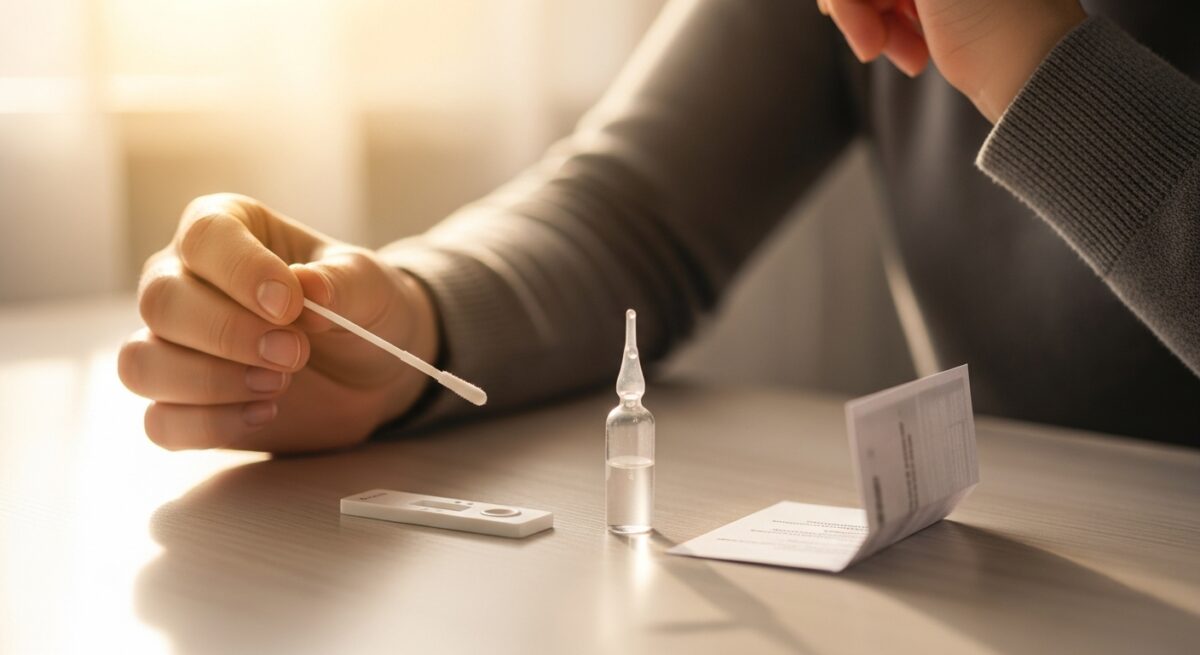
You wake up with a scratchy throat, body aches, and a fever. Is it just a bad cold, or is it the flu? In the past, answering that question meant scheduling a doctor’s appointment, waiting in a germ-filled office, and undergoing an uncomfortable nasal swab. Today, the landscape of healthcare has shifted dramatically. With the rise of telemedicine and digital health tools, you can now get a preliminary answer from the comfort of your couch using an at home flu test kit. These rapid flu test at home options represent a significant step forward in patient empowerment and accessible care, allowing you to take a more active role in managing your health. But how reliable are they? Understanding the technology behind these kits, their accuracy, and their proper role in your healthcare journey is crucial for making informed decisions.
The Science Behind Rapid Flu Test at Home Kits
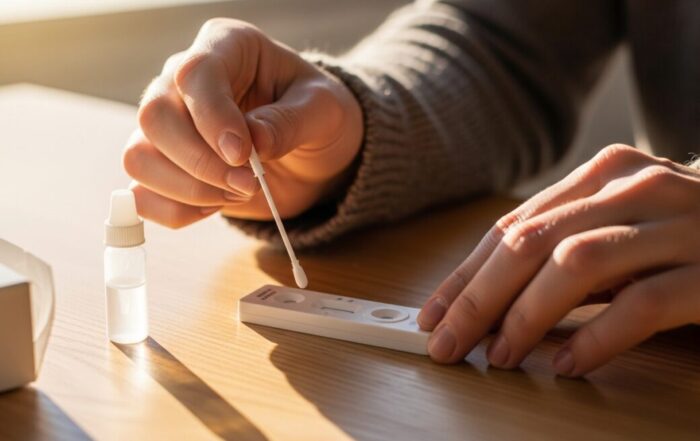
At their core, most at home flu kits are rapid influenza diagnostic tests (RIDTs) designed for consumer use. They work by detecting specific antigens, which are proteins on the surface of the influenza virus, in a sample taken from your respiratory tract. The technology is similar to what you might encounter in a clinic or pharmacy, but packaged for safe and straightforward self-administration. The process typically involves collecting a nasal or throat swab, mixing it with a provided solution, and then applying drops of that solution to a test cassette. This cassette contains antibodies that are designed to bind specifically to influenza antigens. If these antigens are present in your sample, a chemical reaction occurs, producing a visible line on the test window, much like a pregnancy test or the now-familiar at home COVID-19 test.
It is important to distinguish between molecular tests (like PCR) and antigen tests. PCR tests, which are the gold standard for diagnosis, work by amplifying and detecting the virus’s genetic material. They are highly sensitive and can identify the virus even at very low levels. Antigen tests, which include most consumer at home flu kits, are less sensitive because they are detecting proteins, not genetic material. This fundamental difference is the primary driver behind the varying accuracy rates between test types. For a deeper dive into the mechanics of similar self-testing technology, you can explore our detailed guide on at home COVID test kits and their accuracy.
Evaluating the Accuracy of At Home Flu Kits
Accuracy in diagnostic testing is measured by two key metrics: sensitivity and specificity. Sensitivity refers to a test’s ability to correctly identify those who have the disease (true positive rate). Specificity refers to its ability to correctly identify those who do not have the disease (true negative rate). For at home flu test kits, the sensitivity is generally lower than lab-based PCR tests. According to the U.S. Food and Drug Administration (FDA), which authorizes these tests, the sensitivity can vary significantly by brand and influenza strain but often ranges broadly. This means there is a higher chance of a false-negative result (the test says you don’t have the flu when you actually do) compared to a PCR test.
Several factors influence the accuracy of your rapid flu test at home result. The timing of the test is critical. Influenza viral shedding is highest in the first 3-4 days of illness, so testing too early or too late can lead to an inaccurate result. The quality of the sample collection is another major factor. Unlike a healthcare professional, you may not swab deeply or correctly, potentially missing the virus. Furthermore, the specific strain of influenza circulating can affect test performance, as some kits are better at detecting influenza A versus influenza B. Finally, proper storage and following the instructions exactly as written are non-negotiable for a reliable outcome.
To maximize the chance of an accurate result from your at home flu kit, follow these critical steps:
- Read First: Completely read all instructions before you begin the test. Do not assume you know the process.
- Check Expiry: Verify the kit’s expiration date. Using an expired test can yield invalid results.
- Time It Right: Test within the first 3-4 days of symptom onset for the best chance of detection.
- Swab Thoroughly: Follow the swabbing technique precisely, including the number of rotations and the duration specified.
- Time the Readout: Read the result within the exact time window stated in the instructions. Reading it too early or too late can be misleading.
Integrating At Home Testing into Your Healthcare Strategy
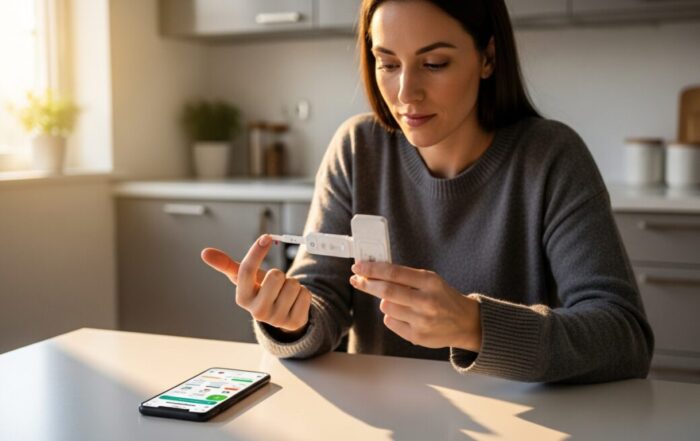
An at home flu test kit is a powerful tool, but it is not a standalone diagnostic solution. Its greatest value lies as a component of a broader, integrated healthcare strategy. A positive result from a rapid flu test at home is generally a reliable indicator of infection, especially if you have classic flu symptoms. This information can be a catalyst for prompt action. You can immediately begin supportive care (rest, fluids, over-the-counter fever reducers) and, most importantly, initiate a telemedicine consultation. Platforms like Doctors Home allow you to connect quickly with a licensed healthcare provider who can review your symptoms and test result, discuss treatment options like antiviral medications (which are most effective when started early), and provide official medical guidance.
A negative result requires more nuanced interpretation. Given the potential for false negatives, it should not be taken as a definitive all-clear, particularly if your symptoms are severe or worsening. In this scenario, the at home flu kit has still provided valuable data. It informs the next step: consulting a healthcare professional. You can present your negative result during a virtual visit, and the provider can use their clinical judgment, considering your symptom profile and potential exposure, to recommend further steps. This might include presumptive treatment, advice to get a more sensitive PCR test at a clinic, or guidance on managing symptoms if another virus is the likely culprit. This integrated approach, combining self-testing with professional telehealth support, creates a seamless and efficient patient journey.
Benefits and Considerations for Modern Patients
The adoption of at home flu kits offers tangible benefits that align with the core principles of modern digital healthcare. The most obvious is convenience. Testing at home eliminates travel, reduces exposure to other illnesses in waiting rooms, and fits into your schedule. It also provides speed, delivering results in 10-15 minutes, which is far quicker than waiting for lab results. This rapid turnaround can reduce anxiety and enable faster decision-making. Furthermore, these kits enhance healthcare access for individuals in remote areas, those with mobility issues, or people with demanding schedules who struggle to visit a clinic during standard hours.
However, responsible use requires acknowledging the limitations. The potential for user error and false negatives means these tests should not replace professional medical advice for individuals in high-risk groups (like the elderly, very young, pregnant women, or those with chronic conditions) or for anyone with severe symptoms such as difficulty breathing, chest pain, or persistent high fever. It is also crucial to purchase FDA-authorized tests from reputable sources to ensure quality and reliability. As part of a comprehensive telemedicine service portfolio, Doctors Home provides access to trusted testing options and the immediate clinical support needed to interpret results correctly and determine the appropriate course of action.
Frequently Asked Questions
Can an at home flu test kit tell the difference between influenza A and B?
Some advanced at home flu kits are designed to differentiate between influenza A and B, and this will be clearly stated on the packaging. Many common rapid antigen tests, however, only give a positive/negative result for influenza viruses broadly. Knowing the type can be useful for public health tracking but may not drastically change the initial management of your symptoms.
How do at home flu kits compare to COVID-19 tests in accuracy?
The underlying antigen technology is similar, but the specific performance characteristics differ by virus and test design. Generally, rapid antigen tests for both flu and COVID-19 have good specificity but lower sensitivity than PCR tests. It is essential to check the FDA authorization factsheet for the specific sensitivity and specificity data of the test you are using.
What should I do if my at home flu test is negative but I feel terrible?
Do not disregard severe symptoms based on a negative at-home test. A negative result does not rule out influenza or other serious infections. You should contact a healthcare provider via telemedicine or schedule an in-person visit. Describe your symptoms and mention the negative test result so they can provide a comprehensive assessment.
Are at home flu test kits covered by insurance?
Coverage varies widely by insurance plan. Some plans may cover them with a prescription, while others may not. They are often available for direct purchase over-the-counter at pharmacies and online retailers. It is best to check with your insurance provider for specific details on coverage.
Can I use a flu test kit on my child?
Yes, but with caution. Only use tests that are specifically authorized for use in children of your child’s age group. The swabbing procedure can be challenging with a young, uncooperative child and may affect the sample quality. For pediatric cases, consulting a healthcare provider first is often the safest approach.
The emergence of at home flu test kits is a clear sign of healthcare’s evolution toward greater patient agency and accessibility. By demystifying how they work and providing a clear-eyed view of their accuracy, we can empower individuals to use these tools effectively. They are not a replacement for professional medical judgment but a complementary asset that, when combined with the convenience of telemedicine services like those offered by Doctors Home, creates a faster, more responsive, and patient-centered care model. In an era where timely information is crucial, these kits provide a critical first data point, enabling smarter health decisions from the very first sniffle.
About the Author: Sarah Thompson


Sign up for our newsletter and Save 20% on Test Kits
"*" indicates required fields