
At Home COVID Test Kit Price and Availability Guide
At Home COVID Test Kit Price and Availability Guide
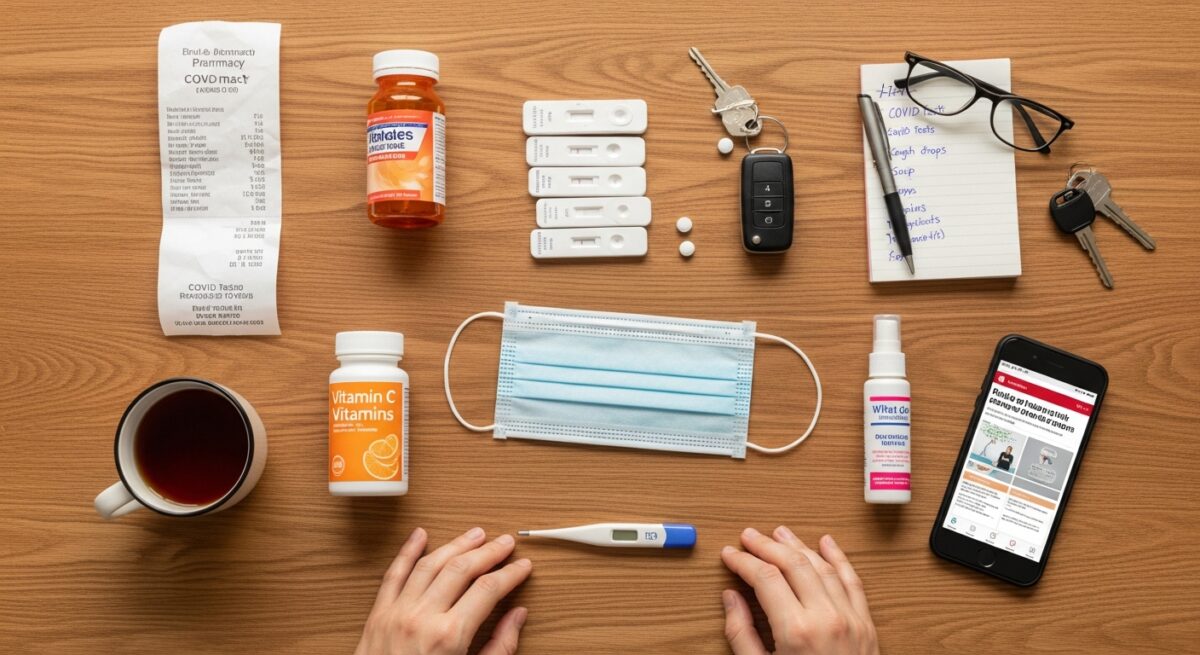
When the pandemic shifted how we approach everyday health, the at home COVID test kit became a household essential. But finding one at a fair price and confirming it is in stock can feel like a scavenger hunt. Whether you are preparing for travel, checking symptoms before a family gathering, or simply want peace of mind, knowing where to buy and what to pay matters. This guide cuts through the noise to give you real numbers, current availability tips, and strategies to avoid overpaying for your next home testing kit.
Understanding the Current Landscape of Home Testing Kits
The market for rapid antigen tests and molecular home tests has matured significantly. Early in the pandemic, supply shortages drove prices sky high and left many stores empty. Today, manufacturing capacity has expanded, and multiple brands compete for shelf space. However, regional surges and new variants can still create temporary shortages. Understanding the difference between test types helps you decide which product fits your situation and budget.
Rapid antigen tests remain the most common and affordable option. They deliver results in about 15 minutes and are ideal for quick screening. Molecular tests, such as the Lucira Check It, offer higher accuracy but cost more and take longer to process. The key is matching the test to your need. For example, if you need proof of negative status for a flight, a molecular test might be required by some airlines. For a routine family gathering, a rapid antigen test usually suffices. Keeping a few kits in your medicine cabinet means you are always prepared, and that starts with understanding the corona medical kit price range in your area.
Average At Home COVID Test Kit Price Ranges
Pricing varies by retailer, brand, and whether you buy a single test or a multi-pack. Here is a realistic breakdown of what you can expect to pay today. These figures reflect national averages in the United States as of early 2026.
- Single rapid antigen test: $7 to $12 per test when bought individually.
- Two-pack rapid antigen test: $14 to $20, often the sweet spot for couples or small households.
- Four-pack or five-pack box: $24 to $35, bringing the per-test cost down to $6 to $8.
- Molecular home test (single): $35 to $50 per test, with some brands requiring a separate reader device.
Bulk packs of 8 or 10 tests offer the best value, with prices dropping to around $5 per test. Stores like Costco and online retailers such as Amazon often run deals on multi-packs. Keep in mind that the covid kit cost can fluctuate based on demand spikes. During winter surges, prices may climb by a few dollars per test, so stocking up during low-demand periods saves money. Additionally, many insurance plans now reimburse for a set number of tests per month, effectively bringing the out-of-pocket cost to zero for insured individuals.
Where to Buy: Availability by Retailer
Availability is just as important as price. You can find home testing kits at pharmacies, big-box retailers, grocery stores, and online marketplaces. Each channel has its own strengths and limitations. Understanding these helps you avoid wasted trips and empty shelves.
Major pharmacy chains like CVS, Walgreens, and Rite Aid stock tests both in-store and online. Their inventory tends to be reliable, but during surges, shelf stock can vanish within hours. Checking their website for local availability before driving there is a smart habit. Big-box retailers such as Walmart and Target offer competitive pricing and often have larger inventory volumes. Grocery stores including Kroger, Safeway, and Publix also carry tests near the pharmacy or checkout area. Online, Amazon and the official websites of test manufacturers like Abbott (BinaxNOW) and iHealth provide direct ordering with home delivery, though shipping times can stretch to a week during high demand.
Government distribution programs have also improved access. Many public libraries, community health centers, and local health departments offer free tests to residents. The federal government previously ran a program that mailed free tests to every household. While that specific program ended, some states and cities continue their own free distribution initiatives. Checking your local health department’s website is worth the effort. For those who prefer the convenience of telemedicine, platforms like Doctors Home offer access to at-home testing kits as part of their broader healthcare services, combining virtual consultation with testing options.
Insurance Coverage and Reimbursement Strategies
One of the most overlooked aspects of the at home COVID test kit price is insurance reimbursement. Private insurers are required to cover up to eight over-the-counter rapid tests per person per month under federal guidance. That means a family of four could get up to 32 tests covered each month. The process varies by insurer, so understanding the steps prevents you from leaving money on the table.
Most insurers work through one of two models. Some have a network of preferred retailers where you can buy tests at no upfront cost. You simply show your insurance card at checkout, and the cost is billed directly. Others require you to pay out of pocket and then submit a reimbursement claim. Claims usually require an itemized receipt and a simple form available on the insurer’s website. Reimbursement checks typically arrive within two to four weeks. Medicare also covers over-the-counter tests through participating pharmacies, and Medicaid covers them at no cost to the enrollee.
To maximize your recovery, keep all receipts organized in a folder or digital file. Set a monthly reminder to submit claims if your plan uses reimbursement. Some insurers allow you to upload receipts through their mobile app, which speeds up processing. If you have a flexible spending account (FSA) or health savings account (HSA), those funds can also be used to pay for tests pre-tax, effectively reducing your cost by 20 to 30 percent depending on your tax bracket.
How to Avoid Surprise Costs and Counterfeit Kits
Price shopping for a home testing kit comes with two major pitfalls: paying above retail during shortages and accidentally buying counterfeit or expired tests. Both are avoidable with a little vigilance. The corona medical kit price should never exceed $15 for a single rapid test under normal market conditions. If a convenience store or third-party seller on a marketplace is asking $20 or more, keep looking.
Counterfeit kits have been a persistent problem, especially on unregulated online marketplaces. Fake tests often show inaccurate results or fail entirely. To verify authenticity, check that the box has an FDA Emergency Use Authorization (EUA) label. You can cross-reference the manufacturer’s name and lot number on the FDA’s website. Legitimate tests also have a QR code that links to the manufacturer’s verification page. Avoid buying from sellers with no reviews or very recent accounts. When in doubt, purchase from a well-known pharmacy or directly from the manufacturer’s website.
Expiration dates are another hidden trap. Some retailers discount tests that are close to expiring. While the FDA has extended expiration dates for several brands, it is safer to buy tests with at least six months of shelf life remaining. Store your kits in a cool, dry place away from direct sunlight, as extreme heat or moisture can degrade the reagents and cause false negatives.
Comparing Brand Options: Which Test Is Right for You?
Not all home testing kits are created equal. Brand differences in accuracy, ease of use, and included features can affect both the home testing price and your overall experience. The market leaders include Abbott BinaxNOW, iHealth, Flowflex, and QuickVue. Each has its own strengths.
Abbott BinaxNOW is the most widely available and studied brand. Its test comes with the NAVICA app, which lets you store results digitally and generate a travel-friendly QR code. iHealth tests are slightly cheaper per unit and offer a simple two-step process with no app required. Flowflex is known for its extremely clear instructions and high sensitivity, making it a favorite for families with children. QuickVue, made by Quidel, offers a slightly shorter wait time of 10 minutes compared to the standard 15.
For molecular accuracy at home, the Lucira Check It test is the only truly molecular option that does not require a separate device. It returns results in about 30 minutes and is as accurate as a PCR lab test. The trade-off is the higher covid kit cost, typically around $40 per test. If you need a test for air travel or medical clearance, the extra accuracy may be worth the price. For routine screening, rapid antigen tests are perfectly adequate and much cheaper.
In our guide on at home COVID test kits and accuracy, we explain how each test type detects viral proteins or genetic material. That deeper look can help you decide which brand aligns with your specific health scenario.
Frequently Asked Questions
How much does an at home COVID test kit cost without insurance?
Without insurance, a single rapid antigen test costs between $7 and $12. Multi-pack boxes lower the per-test cost to around $5 to $8. Molecular tests run $35 to $50 each.
Can I still get free COVID tests from the government?
The federal free test program ended, but many state and local health departments continue to distribute free tests. Check your city or county health department website for current programs. Some libraries and community centers also offer free kits.
How do I submit an insurance reimbursement claim for a home test?
Keep your original receipt, download the reimbursement form from your insurer’s website, and mail or upload both. Most insurers process claims within two to four weeks. Some let you submit through their mobile app.
Are home tests accurate against the latest variants?
Rapid antigen tests remain effective at detecting current variants, including Omicron sublineages. They are slightly less sensitive than PCR tests, especially in early infection. Testing two times over a 36-hour window improves accuracy significantly.
Where is the best place to buy tests in bulk?
Costco, Sam’s Club, and Amazon offer the lowest per-test prices on multi-pack boxes. Pharmacy chains sometimes run buy-one-get-one promotions. Buying directly from the manufacturer’s website also ensures authenticity and often includes free shipping on bulk orders.
What should I do if a test kit is expired?
Check the FDA’s website for extended expiration dates on your specific brand and lot number. If the extension applies, the test is still valid. If not, discard the test and buy a fresh kit. Do not use expired tests unless the FDA extension specifically covers that lot.
Final Thoughts on Navigating Price and Availability
Finding a reliable at home COVID test kit at a fair price is entirely achievable with the right information. Compare prices across multiple retailers, take advantage of insurance coverage, and verify authenticity before buying. Stocking up during calm periods protects you from both shortages and price spikes during surges. Whether you opt for a low-cost rapid antigen test or invest in a molecular kit for travel, keeping a supply on hand means you are never caught off guard. The small upfront cost of a few tests far outweighs the uncertainty of scrambling for one when you need it most.
About the Author: Rachel Nguyen


Sign up for our newsletter and Save 20% on Test Kits
"*" indicates required fields