
7 Drug-Free Eye Allergy Relief Methods That Work
7 Drug-Free Eye Allergy Relief Methods That Work
Itchy, red, watery eyes can disrupt your entire day. Whether you are dealing with seasonal pollen, pet dander, or dust mites, the urge to rub your eyes is hard to ignore. Many people reach for over-the-counter drops first, but these can sometimes cause rebound redness or contain preservatives that irritate sensitive eyes. The good news is that effective eye allergy relief without prescription drops exists, and many of these strategies can be implemented at home with items you already have. This article explores practical, drug-free approaches to soothe ocular allergies and explains when it might be time to seek a professional evaluation through a telemedicine service.
Understanding what triggers your eye allergies is the first step toward lasting comfort. Allergens like pollen attach to the surface of your eyes, causing mast cells to release histamine. This chemical reaction leads to the classic symptoms of itching, redness, and tearing. While antihistamine drops work by blocking this process, non-pharmaceutical methods can reduce your exposure to allergens and calm the inflammatory response without any medication. Below, we outline seven strategies that provide meaningful eye allergy relief without prescription drops, helping you regain control over your symptoms.
Cold Compresses and Eye Masks
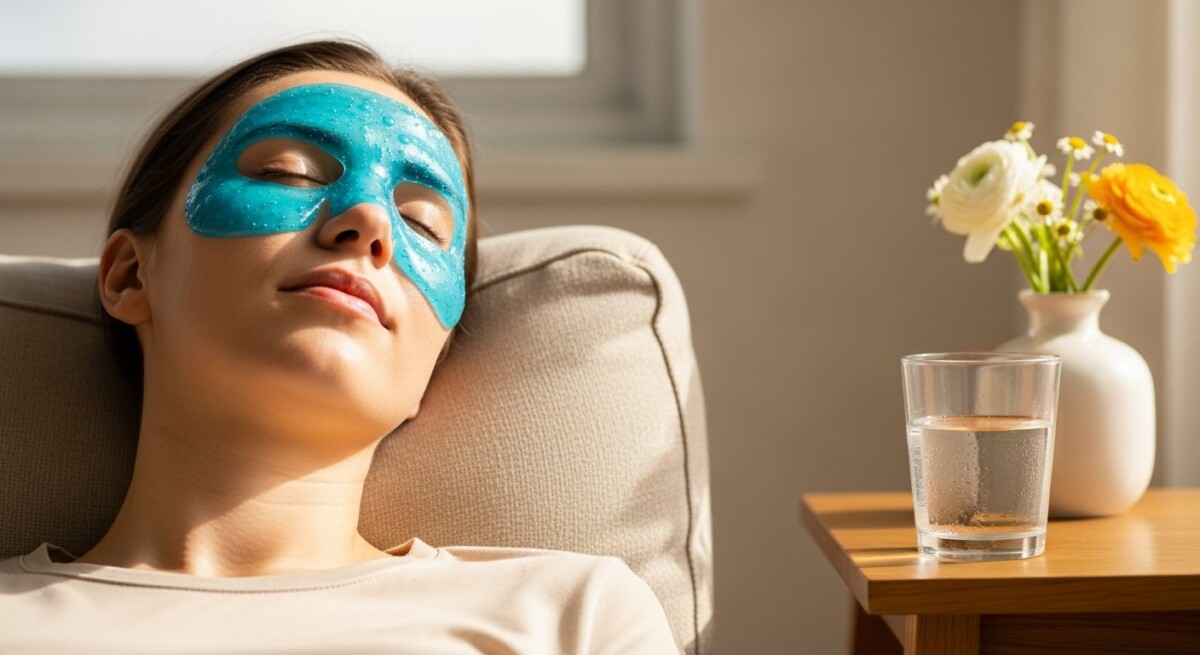
One of the fastest ways to calm irritated eyes is with a cold compress. The cooling effect constricts blood vessels, reducing redness and swelling while numbing the itch sensation. Simply soak a clean washcloth in cold water, wring it out, and place it over your closed eyelids for 5 to 10 minutes. You can repeat this several times a day as needed. For a more targeted approach, gel eye masks that can be stored in the refrigerator offer consistent cooling and conform to your eye sockets. This method is safe for all ages and provides immediate eye allergy relief without prescription drops.
For best results, keep a dedicated mask or cloth in the refrigerator so it is always ready. Avoid using ice directly on your eyelids, as extreme cold can damage delicate skin. The key is a comfortable, cool temperature that soothes without causing discomfort. This technique not only relieves itching but also helps reduce the urge to rub, which can worsen irritation and lead to secondary infections.
Frequent Eye Rinsing With Saline
Flushing allergens out of your eyes is a simple yet powerful strategy. Sterile saline eye washes, available at most drugstores, mimic the natural pH of tears and can wash away pollen, dust, and dander. Use a sterile eye cup or an eye wash bottle to gently rinse each eye for 15 to 30 seconds. This is especially effective after spending time outdoors during high-pollen seasons. Many people find that rinsing their eyes immediately after coming indoors significantly reduces the severity of allergic reactions later in the evening.
You can also make a homemade saline solution by mixing one-quarter teaspoon of non-iodized salt with one cup of distilled or boiled (then cooled) water. Store this in a clean, airtight container and use it within 24 hours. While this method provides excellent eye allergy relief without prescription drops, it is important to use sterile equipment to avoid introducing bacteria. If you wear contact lenses, remove them before rinsing and wait at least 15 minutes before reinserting them to prevent trapping allergens under the lens.
Environmental Control at Home
Your indoor environment plays a massive role in your allergy symptoms. Making a few strategic changes can dramatically reduce your exposure to common ocular allergens. Consider the following adjustments for lasting eye allergy relief without prescription drops:
- Use a HEPA air purifier in your bedroom and living areas to capture pollen, mold spores, and pet dander. Look for a model with a clean air delivery rate (CADR) appropriate for your room size.
- Wash bedding weekly in hot water (at least 130°F) to kill dust mites and remove allergens that settle on pillows and sheets.
- Keep windows closed during high-pollen days, especially in the morning when pollen counts are typically highest. Use air conditioning instead to filter and cool the air.
- Remove shoes at the door and change clothes after being outdoors to prevent tracking pollen through your home. Showering before bed also washes allergens out of your hair and off your skin.
These steps create an allergen-free sanctuary where your eyes can recover. Many people notice a significant improvement in symptoms within a few days of implementing these changes. The combination of air filtration and reduced allergen transfer is one of the most effective long-term strategies for managing eye allergies naturally.
Dietary Anti-Inflammatories
What you eat can influence the severity of your allergic response. Certain foods contain natural antihistamines and anti-inflammatory compounds that may help calm eye allergies. Quercetin, a flavonoid found in onions, apples, and green tea, has been shown to stabilize mast cells and reduce histamine release. Omega-3 fatty acids, abundant in fatty fish like salmon and sardines, help reduce overall inflammation in the body, including in the eyes. Including these foods in your regular diet can support eye allergy relief without prescription drops over time.
Vitamin C is another powerful antioxidant that can lower histamine levels and shorten the duration of allergy symptoms. Citrus fruits, bell peppers, strawberries, and broccoli are excellent sources. Some studies also suggest that local honey, consumed regularly, may help desensitize the immune system to local pollen, though results vary. While dietary changes alone are rarely a complete solution, they work synergistically with environmental controls to reduce the frequency and intensity of flare-ups. For those with chronic eye allergies, combining a quercetin-rich diet with cold compresses can be a powerful one-two punch.
Protective Eyewear Outdoors
When you cannot avoid being outside during allergy season, protective eyewear creates a physical barrier between your eyes and airborne allergens. Wraparound sunglasses or sports goggles prevent pollen from directly contacting the surface of your eyes. This is especially helpful for people who enjoy outdoor activities like gardening, running, or cycling. Even a simple pair of oversized sunglasses can reduce allergen exposure by up to 50 percent. This straightforward approach provides immediate eye allergy relief without prescription drops while you are on the go.
For maximum protection, look for glasses with foam gaskets that seal against the skin. These are often sold as allergy goggles and are available at most pharmacies or online retailers. If you wear prescription glasses, consider clip-on wraparound shields. After returning indoors, rinse the glasses with water to remove trapped pollen before wearing them again. This simple habit prevents re-exposure the next time you put them on.
Nasal Irrigation for Ocular Allergy Relief
You might not think of your nose when your eyes are itchy, but the two are closely connected. Allergens that enter the nasal passages can trigger a reflex that worsens eye symptoms. Nasal irrigation using a neti pot or squeeze bottle with a sterile saline solution can flush out pollen and mucus from the nasal cavity, reducing the overall allergic load on your system. Many people report noticeable improvement in eye symptoms within minutes of performing nasal irrigation. This technique offers eye allergy relief without prescription drops by addressing the root cause at the nasal level.
Always use distilled, sterile, or previously boiled water for nasal irrigation to avoid the risk of infection. Follow the device instructions carefully and clean the equipment after each use. If you are new to nasal irrigation, start with a gentle squeeze and gradually increase pressure as you become comfortable. Used consistently, especially during peak allergy seasons, this practice can significantly reduce the need for medicated eye drops.
When to Consider Professional Care
While these strategies are effective for many people, some cases of eye allergies require medical attention. If your symptoms persist despite home care, or if you experience severe pain, vision changes, or thick discharge, you should consult a healthcare professional. In our guide on virtual care for eye allergy relief: fast and easy, we explain how you can connect with a licensed provider from your home. A virtual consultation can determine whether prescription eye drops or oral medications are necessary and rule out more serious conditions like conjunctivitis or keratitis.
For those who prefer a non-prescription approach, it is also helpful to explore additional wellness resources that support overall health management. Telemedicine platforms like DoctorsHome offer convenient access to medical guidance without waiting rooms or travel. If you find that your eye allergies are interfering with your sleep, work, or daily activities, a professional evaluation can provide clarity and a tailored treatment plan that may include prescription options if needed.
Frequently Asked Questions
Can eye allergies go away on their own?
Yes, seasonal eye allergies often resolve once the offending pollen count decreases. However, perennial allergies caused by dust mites or pet dander may persist year-round without intervention. Consistent use of environmental controls and home remedies can manage symptoms effectively.
Is it safe to use cold compresses multiple times a day?
Yes, cold compresses are safe to use as often as needed, provided you use a clean cloth each time and avoid extreme temperatures. Limit each session to 10 minutes to prevent skin irritation.
How long does it take for dietary changes to help eye allergies?
Most people notice a gradual improvement over 2 to 4 weeks after consistently incorporating anti-inflammatory foods. Results vary based on the severity of allergies and overall diet quality.
Can I use artificial tears every day for eye allergy relief?
Preservative-free artificial tears can be used daily to flush allergens and lubricate the eyes. However, if you are using them more than four times a day, you should consult a doctor to rule out other issues.
What is the best way to clean my eyelids for allergy relief?
Use a warm, damp washcloth to gently wipe along the lash line once daily. For more thorough cleaning, over-the-counter eyelid wipes or hypochlorous acid sprays can remove allergen buildup without irritating the eyes.
Managing eye allergies does not always require a trip to the pharmacy. By combining cold compresses, saline rinses, environmental controls, and protective habits, you can achieve meaningful eye allergy relief without prescription drops. These methods are safe, cost-effective, and empower you to take control of your symptoms naturally. If your allergies persist or worsen, remember that telemedicine offers a fast and convenient path to professional care. Start with one or two of the strategies above and build from there. Your eyes will thank you.
About the Author: Sarah Thompson





Sign up for our newsletter and Save 20% on Test Kits
"*" indicates required fields