
Electronic Medical Records in Healthcare Explained
Electronic Medical Records in Healthcare Explained
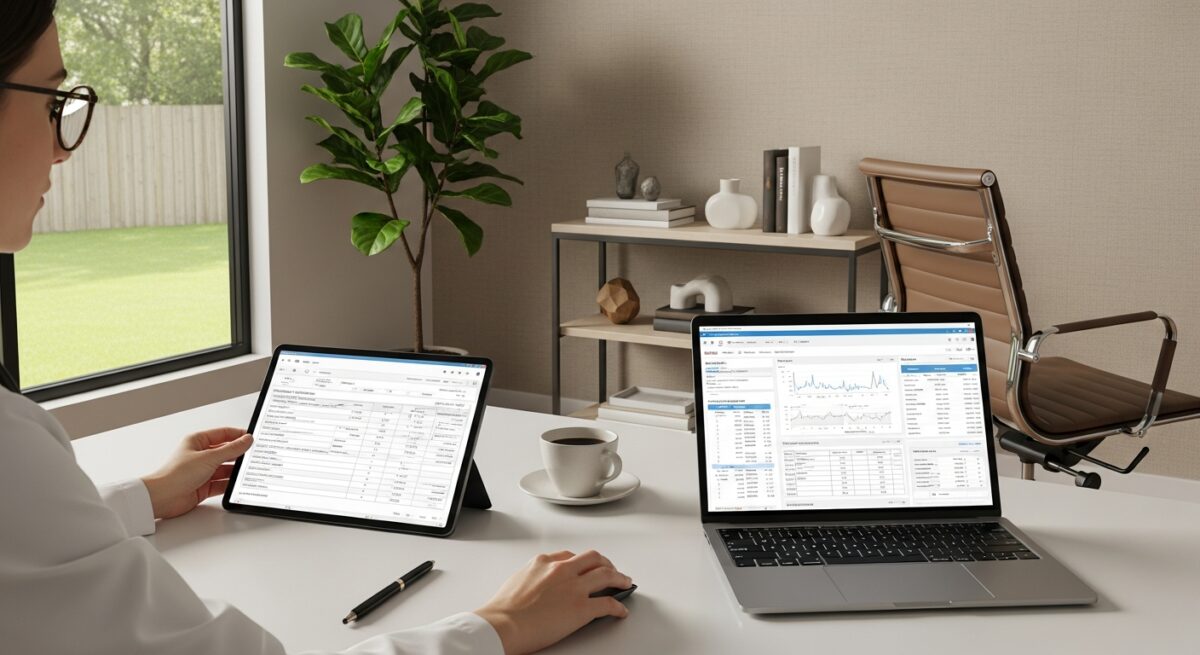
The shift from paper charts to digital systems has transformed how medical information is stored, accessed, and shared. At the heart of this transformation is the concept of electronic medical records in healthcare explained simply: a digital version of a patient’s medical history maintained over time by a single provider. These records contain everything from diagnoses and medications to immunization dates and lab results. For patients, this means fewer duplicate tests and faster access to their own health data. For providers, it means better coordination and fewer errors. Understanding how these systems work and why they matter is essential for anyone navigating modern healthcare, whether you are a patient scheduling a virtual visit or a provider managing a growing practice.
What Are Electronic Medical Records (EMRs)?
An electronic medical record is a digital version of the paper chart that a clinician has traditionally kept in their office. It contains the medical and treatment history of a patient within one practice. While the terms EMR and EHR (electronic health record) are often used interchangeably, there is a subtle but important distinction. EMRs are designed for use by a single provider or clinic, whereas EHRs are built to share information across different healthcare organizations. In practice, many modern systems combine elements of both, creating a more fluid data environment. The core purpose of an EMR is to support clinical decision-making, reduce errors, and streamline documentation. For example, when a patient visits a primary care doctor, the EMR can show past prescriptions, allergies, and recent lab work. This allows the doctor to make informed decisions without relying on the patient’s memory or paper files. The adoption of electronic medical records in healthcare has grown rapidly due to federal incentive programs and the clear benefits of digitization.
The technology behind EMRs includes secure databases, user-friendly interfaces for data entry, and interoperability standards that allow systems to communicate. Many EMRs now include built-in clinical decision support tools that alert providers to potential drug interactions or recommend preventive screenings. This functionality is especially valuable in telemedicine settings, where the doctor cannot physically access a paper chart. Platforms like DoctorsHome integrate digital records into their virtual consultation process, ensuring that licensed providers have the information they need to prescribe safely. As more patients seek remote care, the role of the electronic health record in healthcare becomes even more critical. It provides continuity between in-person visits and online consultations, making the entire system more efficient.
Key Benefits of Digital Health Records
The advantages of moving from paper to digital are substantial. One of the most immediate benefits is accessibility. With an EMR, a provider can pull up a patient’s history from any location with an internet connection. This is a game-changer for telemedicine platforms like DoctorsHome, where patients fill out an online form and are reviewed by a licensed professional who may be working remotely. Without digital records, such a streamlined process would be impossible. Another major benefit is accuracy. Handwritten notes are prone to misinterpretation, while typed entries are clear and searchable. Electronic systems also reduce the risk of lost files, which can lead to gaps in care. For patients managing chronic conditions, this continuity is vital. It means that every provider they see can access the same up-to-date information, reducing the likelihood of redundant tests or conflicting treatments.
Beyond accessibility and accuracy, electronic medical health records offer powerful tools for data analysis. Clinics can aggregate data to identify trends in their patient population, such as rising rates of a particular condition or gaps in vaccination coverage. This population health management capability allows providers to be proactive rather than reactive. Patients also benefit from patient portals, which give them direct access to their own records, lab results, and appointment schedules. This transparency fosters engagement and empowers individuals to take an active role in their care. When a patient understands their health data, they are more likely to follow treatment plans and ask informed questions during visits. The comprehensive nature of electronic health records in healthcare makes them a cornerstone of modern medicine, supporting everything from routine checkups to complex specialist referrals.
How EMRs Support Telemedicine and Remote Care
Telemedicine relies heavily on the seamless exchange of information, and EMRs are the backbone of that exchange. When a patient books a virtual consultation with a service like DoctorsHome, the provider needs access to relevant medical history to make a safe diagnosis and prescribe treatment. The EMR provides that context. For example, if a patient is seeking treatment for eye allergies, the doctor can review past prescriptions and known allergies before recommending a medication. This reduces the risk of adverse reactions and ensures that the treatment plan is appropriate. The integration of EMRs with telemedicine platforms also supports prescription fulfillment. Once a provider enters a prescription into the system, it can be sent electronically to a pharmacy, often within minutes. This speed is one of the reasons why patients choose online care over traditional office visits.
The role of electronic medical records in healthcare extends beyond the consultation itself. After a virtual visit, the record is updated with the new diagnosis, treatment plan, and any follow-up instructions. This creates a complete longitudinal history that is available for future visits. For patients using at-home testing kits offered by DoctorsHome, the results can be integrated into their EMR, giving the provider a fuller picture of their health. This is particularly useful for monitoring chronic conditions like thyroid disorders or vitamin deficiencies. The ability to track lab results over time helps providers adjust treatments more precisely. In this way, the electronic health record in healthcare acts as a living document that grows with the patient, supporting both episodic and ongoing care.
Common Challenges and Misconceptions
Despite the many benefits, the transition to digital records has not been without challenges. One common concern is data security. Patients worry that their sensitive health information could be accessed by unauthorized parties. In reality, EMRs are subject to strict regulations like HIPAA in the United States, which mandates encryption, access controls, and audit trails. Platforms that prioritize security, such as DoctorsHome, take additional steps to protect patient data during transmission and storage. Another challenge is the learning curve for healthcare providers. Switching from paper to an EMR requires training and can temporarily slow down workflows. However, most providers find that the long-term efficiency gains outweigh the initial adjustment period. Interoperability remains a persistent issue as well. Not all EMR systems can communicate with each other, which can lead to fragmented care when a patient sees multiple specialists. Efforts to standardize data formats are ongoing, but progress is gradual.
There is also a misconception that EMRs are only useful for large hospitals. In reality, small practices and telemedicine providers benefit immensely from digital records. For a solo practitioner, an EMR can automate appointment reminders, track billing, and organize patient data in a way that saves hours each week. The key is choosing a system that fits the scale and specialty of the practice. For patients, the fear that their doctor is spending too much time on the computer during visits is a real concern. Good system design can mitigate this by placing the patient at the center of the interaction. Voice recognition and templated notes can reduce typing time, allowing the provider to maintain eye contact and focus on the conversation. As technology improves, the balance between documentation and patient interaction continues to get better.
Practical Steps for Choosing an EMR System
Selecting the right EMR is a critical decision for any healthcare provider. The process should begin with a clear assessment of the practice’s needs. Consider factors such as the number of providers, the specialties served, and the volume of patients. The system should also integrate smoothly with existing tools like billing software and lab interfaces. Here are key considerations to guide the decision:
- Interoperability: Ensure the EMR can exchange data with other systems, such as hospital networks and public health registries.
- Usability: Look for an intuitive interface that minimizes clicks and supports efficient documentation.
- Security: Verify that the system meets HIPAA compliance standards and offers robust data encryption.
- Telemedicine Integration: Choose a platform that supports virtual visits and secure messaging.
- Scalability: Pick a system that can grow with your practice, adding users and features as needed.
After narrowing down the options, request demos from vendors and involve key staff in the evaluation. A trial period can reveal issues that are not apparent in a sales presentation. Once the system is selected, invest in thorough training. Even the best EMR is only as effective as the people using it. Ongoing support from the vendor is also important, especially during the first few months. For providers who are part of a telemedicine network, compatibility with the network’s core system is non-negotiable. In our guide on best electronic medical records systems for providers, we discuss specific options that balance cost with functionality. Making an informed choice will pay dividends in patient care and operational efficiency.
The Future of Digital Health Records
The evolution of electronic medical records is far from over. Emerging technologies like artificial intelligence and machine learning are beginning to enhance EMR capabilities. For example, AI can analyze patterns in patient data to predict which individuals are at risk for developing conditions like diabetes or heart disease. This allows providers to intervene earlier, potentially preventing hospitalizations. Another trend is the use of natural language processing to extract meaningful information from unstructured clinical notes. This makes the data more useful for research and quality improvement. Patient-facing tools are also becoming more sophisticated. Mobile apps that sync with EMRs allow patients to track their blood pressure, glucose levels, and other metrics at home, with the data flowing directly into their record. This continuous stream of information gives providers a more dynamic view of the patient’s health between visits.
Blockchain technology is being explored as a way to enhance data security and give patients more control over who accesses their records. Meanwhile, standards like FHIR (Fast Healthcare Interoperability Resources) are making it easier for different systems to share data in real time. For telemedicine providers like DoctorsHome, these advancements mean even smoother integration with external labs, pharmacies, and specialist networks. The goal is a truly connected healthcare ecosystem where the electronic health record in healthcare is not just a passive repository but an active tool that supports every interaction. As patients become more comfortable with digital health tools, the demand for seamless, secure, and accessible records will only grow. Providers who invest in modern EMR systems today will be well-positioned to meet that demand tomorrow.
Frequently Asked Questions
What is the difference between an EMR and an EHR?
An EMR is a digital record used within a single practice, while an EHR is designed to be shared across multiple healthcare organizations. EHRs offer broader interoperability and a more comprehensive view of the patient’s health history.
Are electronic medical records secure?
Yes, when properly implemented. EMRs must comply with HIPAA regulations, which require encryption, access controls, and regular security audits. Reputable platforms like DoctorsHome prioritize data protection in their systems.
Can patients access their own EMR?
Many EMRs include patient portals that allow individuals to view their records, lab results, and appointment history. This promotes transparency and helps patients stay informed about their health.
How do EMRs improve patient safety?
EMRs reduce errors associated with illegible handwriting, provide alerts for drug interactions, and ensure that all providers have access to the same up-to-date information. This leads to fewer mistakes and better outcomes.
Do I need an EMR for a small telemedicine practice?
Absolutely. Even a solo telemedicine provider benefits from the organization, efficiency, and documentation support that an EMR provides. It streamlines virtual visits and helps maintain accurate records for each patient.
Understanding electronic medical records in healthcare explained in practical terms helps both patients and providers navigate the modern medical landscape. Whether you are seeking treatment for a specific condition or managing ongoing wellness, these digital tools play a vital role in delivering safe, efficient, and accessible care. As telemedicine continues to expand, the integration of robust EMR systems will remain a cornerstone of quality healthcare delivery. For more information on how virtual consultations work and what to expect, visit DoctorsHome to explore services that combine convenience with professional medical oversight.
About the Author: Jessica Martinez





Sign up for our newsletter and Save 20% on Test Kits
"*" indicates required fields