

Your Guide to Telehealth Primary Care Virtual Doctor Visits
Your Guide to Telehealth Primary Care Virtual Doctor Visits
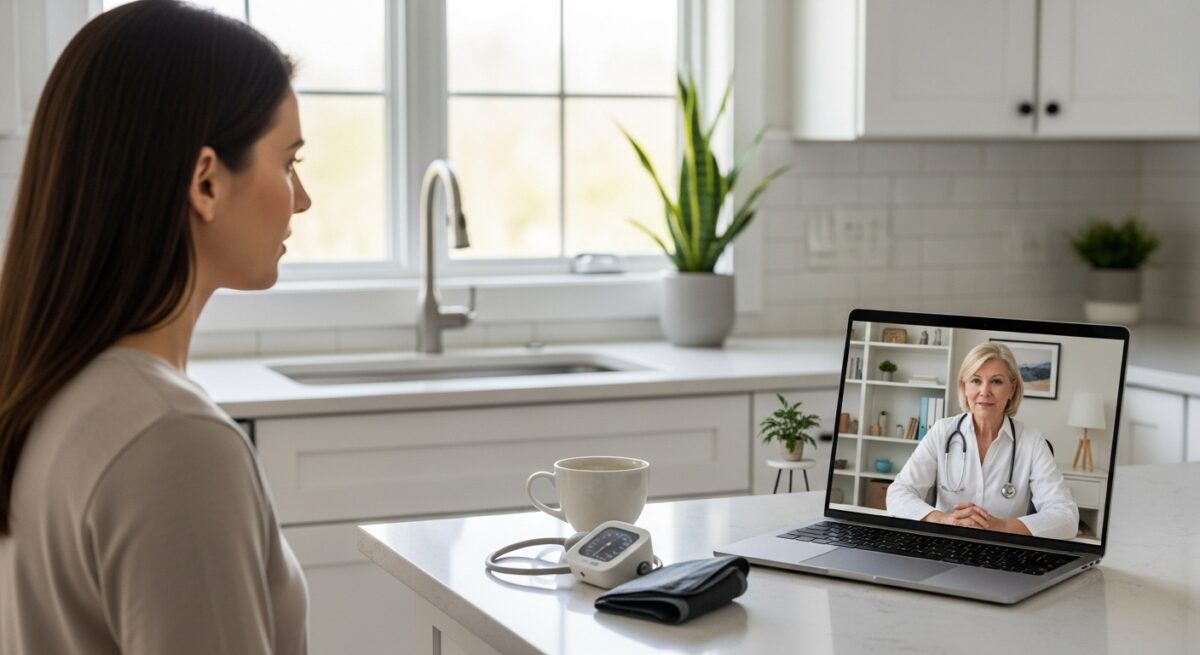
Imagine managing your health from the comfort of your living room, avoiding traffic, crowded waiting rooms, and lengthy commutes. This is the new reality of primary care, where telehealth virtual doctor visits are transforming the foundational patient-provider relationship. No longer a niche service for urgent needs, virtual primary care has matured into a comprehensive, continuous model for managing everyday health, chronic conditions, and preventive wellness. It represents a fundamental shift in healthcare delivery, prioritizing accessibility, convenience, and patient-centered communication. For millions, the annual physical, the follow-up for a chronic condition, or the consultation for a new symptom now begins with a secure video call or phone conversation, seamlessly integrating technology into the continuity of care.
What Is Telehealth Primary Care?
Telehealth primary care, often called primary care telemedicine, is the use of digital communication technologies to deliver ongoing, comprehensive first-contact healthcare remotely. It is not merely a one-off urgent care visit for a minor illness. Instead, it establishes an enduring relationship between a patient and a primary care provider (PCP), such as a physician, nurse practitioner, or physician assistant, through virtual means. This model encompasses a wide range of services that form the bedrock of long-term health management. The core distinction lies in continuity; a telehealth PCP gets to know you, your medical history, and your health goals over time, coordinating your care just as an in-office doctor would.
The scope of services available through this model is extensive. It includes routine check-ups and annual wellness visits, management of chronic diseases like hypertension, diabetes, and asthma, mental health screenings and support for conditions like anxiety and depression, preventive care counseling (nutrition, weight management, smoking cessation), review of diagnostic results from labs or imaging, medication management, prescription renewals, and follow-up appointments after hospital discharges or procedures. This breadth ensures that patients receive holistic care that addresses both immediate concerns and long-term wellness strategies.
The Tangible Benefits of Virtual Primary Care
The adoption of telehealth for primary care is driven by a powerful set of advantages that address longstanding pain points in the traditional healthcare system. These benefits extend to patients, providers, and the healthcare ecosystem as a whole, creating a more efficient and effective model for maintaining population health.
For patients, the most immediate benefit is unparalleled convenience and access. Geographic barriers dissolve, making specialist-level primary care available in rural areas and urban centers alike. Time constraints are minimized, as visits eliminate travel and waiting room time, often fitting into a lunch break. This ease of access leads to better engagement; patients are more likely to schedule and keep appointments for routine matters, leading to earlier intervention and better health outcomes. Furthermore, virtual visits can significantly reduce costs associated with care, including transportation, parking, and, often, lower visit co-pays. The comfort and privacy of being in one’s own environment can also foster more open and honest communication about sensitive health issues.
For the healthcare system, primary care telemedicine improves operational efficiency. It allows practices to optimize their physical space and staff resources, potentially seeing more patients in a day without the overhead of room turnover. It also reduces missed appointments (no-shows) and can improve patient panel management. From a public health perspective, it minimizes exposure to contagious illnesses in waiting rooms, a consideration that has become permanently relevant. The model also encourages better data collection and digital record-keeping, integrating smoothly with electronic health records (EHRs) and patient portals.
Conditions and Scenarios Ideal for Virtual Management
While telehealth primary care is comprehensive, certain conditions and healthcare scenarios are particularly well-suited to the virtual model. Understanding these helps patients and providers determine when a remote visit is the most appropriate and effective choice.
Chronic disease management is a cornerstone of virtual primary care. Conditions like type 2 diabetes, high blood pressure, high cholesterol, thyroid disorders, and stable heart disease require regular monitoring and medication adjustments, which can be efficiently handled via video check-ins. Patients can share data from home devices (like glucometers or blood pressure cuffs), and providers can review trends, discuss lifestyle modifications, and renew prescriptions. Mental and behavioral health support, including therapy for anxiety, depression, and stress management, thrives in a virtual setting, offering privacy and consistent access. Follow-up care after an in-person procedure or hospital stay is another ideal use case, allowing for convenient post-operative check-ins without requiring difficult travel.
Other common scenarios include medication management for ongoing prescriptions, review of lab or imaging results, preventive health counseling (diet, exercise, immunizations), and initial consultations for new, non-emergent symptoms like rashes, allergies, sinus infections, or urinary tract infections. For a deeper look at how this modern approach functions for everyday health needs, our guide on telehealth for primary care explores the practical applications in detail. It is crucial to note that virtual visits are not for emergencies. Chest pain, severe shortness of breath, stroke symptoms, major trauma, or any other life-threatening condition require immediate in-person emergency care.
Preparing for Your First Virtual Primary Care Visit
A successful telehealth visit requires a small amount of preparation to ensure you get the most out of your time with the provider. Treat it with the same seriousness as an in-office appointment for the best experience.
First, ensure you have the necessary technology. This includes a reliable internet connection, a device with a camera and microphone (smartphone, tablet, or computer), and any required software or app downloaded and tested beforehand. Find a quiet, private, and well-lit space where you will not be interrupted. Have good lighting in front of you, not behind you, so your face is clearly visible to the provider. Prepare your medical information just as you would for an in-person visit. This includes a list of all current medications (including dosages), your pharmacy’s name and phone number, a list of any known allergies, and notes on your symptoms or health concerns, including when they started and what makes them better or worse.
It is also helpful to have a notebook and pen handy to take notes during the conversation. If you use home monitoring devices, like a thermometer, blood pressure cuff, or scale, have them nearby in case the provider asks for a reading. Finally, log in to the platform a few minutes early to troubleshoot any last-minute technical issues and be ready to start your appointment on time.
Navigating Insurance, Costs, and Platform Selection
The financial and logistical aspects of telehealth primary care have become increasingly streamlined, but it pays to be an informed consumer. Coverage for virtual visits has expanded dramatically, especially since the COVID-19 pandemic prompted permanent regulatory changes.
Most private insurance plans, Medicare, and many Medicaid programs now cover telehealth primary care visits, often at the same co-pay or coinsurance rate as an in-office visit. However, policies vary, so it is essential to verify your benefits with your insurer before your first appointment. Key questions to ask include: Are virtual primary care visits covered? Is there a co-pay? Does the visit apply toward my deductible? Are there any restrictions on the platform or provider type? Many dedicated telehealth platforms and primary care practices also offer direct-to-consumer cash-pay options for those without insurance or with high deductibles, providing transparent, upfront pricing.
When selecting a platform or provider, consider the following factors to find the best fit:
- Continuity of Care: Can you see the same provider consistently to build a relationship?
- Service Scope: Does the service offer comprehensive primary care, or is it limited to urgent, one-off issues?
- Integration: Can the provider order labs, prescribe medications, and coordinate with specialists if needed?
- Technology: Is the platform user-friendly and secure, with good customer support for technical issues?
- State Licensing: Ensure the providers are licensed to practice in your state of residence.
Addressing Common Concerns and Limitations
Despite its advantages, patients may have legitimate concerns about the virtual care model. Addressing these openly is key to building trust and understanding its appropriate role in a complete healthcare strategy.
A primary concern is the inability to conduct a hands-on physical exam. While providers cannot listen to your heart or lungs directly through a screen, they have adapted techniques. They can guide you through self-examinations, observe visible symptoms, and rely heavily on your detailed history and data from home devices or prior in-person exams. For issues requiring palpation or auscultation, the virtual PCP will recommend an in-person follow-up at a clinic, lab, or imaging center. This hybrid approach ensures nothing is missed. Privacy and security are also top of mind. Reputable platforms use encrypted, HIPAA-compliant software designed specifically for healthcare to protect your personal health information during the video transmission and in stored records.
Another concern is the potential for fragmented care. The best telehealth primary care services actively work against this by ensuring your virtual PCP has access to your medical records (with your consent) and can serve as the quarterback of your care, sending summaries to and receiving them from any specialists you see. They can also facilitate referrals and order necessary tests within their network. The limitation remains for true medical emergencies and conditions requiring complex procedures or immediate hands-on intervention, for which virtual care is not a substitute.
Frequently Asked Questions
Can I get a prescription through a telehealth primary care visit?
Yes. Licensed providers can prescribe a wide range of medications for conditions appropriately diagnosed during a virtual visit, including ongoing medications for chronic diseases and new prescriptions for acute issues like infections. They cannot prescribe controlled substances (like certain pain medications or ADHD drugs) without an established, in-person relationship in many states due to federal regulations.
How do I get lab work or tests done if my doctor is virtual?
Your virtual primary care provider can electronically order lab work, imaging (like X-rays), or other tests. They will send the order to a national lab network (like Quest or LabCorp) or a local facility near you. You go to the physical location to have the test performed, and the results are sent securely back to your virtual provider, who will discuss them with you in a follow-up visit.
Is the quality of care as good as in-person care?
For the vast majority of primary care needs, studies show that the quality and outcomes of telehealth visits are comparable to in-person visits. The key is appropriateness; for conditions that rely heavily on conversation, review of data, and management planning, virtual care is highly effective. It may even lead to better adherence and engagement due to its convenience.
What if I need a specialist referral?
Your virtual primary care provider can make specialist referrals just like an in-office PCP. They will provide you with a referral and, with your permission, share your relevant medical history with the specialist’s office to ensure continuity of care.
Can I use telehealth primary care for my whole family?
Many services offer family plans or have providers who see patients of all ages, from pediatrics to geriatrics. You will need to verify that the specific platform or practice you choose serves the age range of all family members.
Telehealth primary care virtual doctor visits have moved from a temporary solution to a permanent, valuable pillar of modern healthcare. They offer a practical, efficient, and patient-centered pathway to managing health proactively. By dissolving barriers of distance and time, they empower individuals to take a more active and consistent role in their well-being. While not a replacement for all in-person medical needs, virtual primary care establishes a robust, continuous relationship with a provider, forming the foundation for a hybrid care model that combines the best of digital convenience with the essential touchpoints of traditional medicine. As technology and acceptance grow, this model is poised to become the new standard for how we initiate and maintain our most important healthcare relationships.
About the Author: Michael Anderson





Sign up for our newsletter and Save 20% on Test Kits
"*" indicates required fields