
When to Use 24 7 Virtual Urgent Care Services
When to Use 24 7 Virtual Urgent Care Services
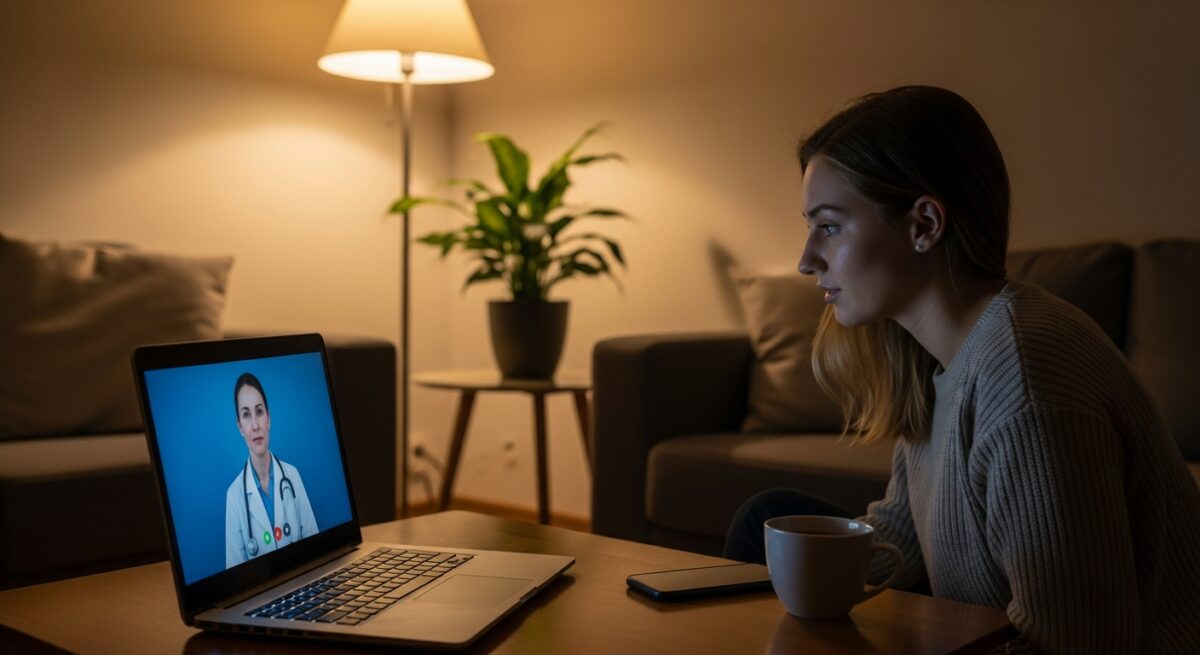
Healthcare needs do not follow a nine-to-five schedule. A fever can spike at midnight. A rash can appear on a Saturday morning. A urinary tract infection can make itself known during a holiday weekend. In these moments, the emergency room feels like overkill, but waiting for a primary care appointment feels impossible. This is where 24 7 virtual urgent care services and when to use them becomes a critical piece of health literacy. Telemedicine has evolved far beyond simple video chats. Today, patients can access a licensed provider at any hour, receive a diagnosis, and often get a prescription sent to a pharmacy within minutes. Understanding the capabilities and limits of this service empowers you to make smarter, faster decisions about your health.
The rise of on-demand healthcare has changed the way people think about access. Instead of sitting in a crowded waiting room, you can connect with a doctor from your couch. Instead of taking time off work for a minor concern, you can handle it during a lunch break. But not every health issue is appropriate for a virtual visit. Knowing the difference between a condition that can be managed online and one that requires hands-on care is essential. This article breaks down exactly what these services offer, when they are the right choice, and how to get the most out of them without compromising your safety.
What Exactly Is 24 7 Virtual Urgent Care?
24 7 virtual urgent care is a telemedicine service that connects patients with healthcare providers around the clock. Unlike scheduled telehealth appointments that require booking days in advance, these services are designed for immediate needs. You log in, describe your symptoms, and a doctor reviews your case in real time. The consultation typically happens through a secure video call, phone call, or even a text-based chat. The goal is to address non-emergency medical issues quickly and efficiently.
These platforms are staffed by licensed physicians, nurse practitioners, and physician assistants who are trained to diagnose and treat a wide range of common conditions. They can prescribe medications, order lab tests, and provide medical advice. The key difference between virtual urgent care and a traditional urgent care center is location. You do not have to drive anywhere. You do not have to sit in a waiting room with other sick patients. The entire experience happens from wherever you are, which is especially valuable for people with limited mobility, those in rural areas, or parents with young children at home.
A common question is how this differs from a regular telemedicine visit with your primary care doctor. The main distinction is timing and accessibility. Your primary care provider may offer virtual visits, but they are typically scheduled during office hours and may have a wait of several days. Virtual urgent care is designed for the same-day or immediate moment. It fills the gap between a non-urgent primary care visit and a trip to the emergency room. For many common ailments, it is the most efficient option available.
Common Conditions Treated Through Online Urgent Care
Understanding which conditions are suitable for a virtual visit helps you avoid wasting time or seeking inappropriate care. Most platforms treat a consistent set of ailments that do not require a physical examination. These include respiratory infections like colds, flu, sinusitis, and bronchitis. Skin issues such as rashes, poison ivy, mild acne, and fungal infections are also commonly handled through photos and video. Urinary tract infections, pink eye, and minor allergies are frequently diagnosed and treated online.
Other conditions that respond well to telehealth urgent care include:
- Fever and cough without severe breathing difficulty
- Ear pain and mild ear infections
- Sore throat, including strep throat
- Minor headaches and migraines
- Nausea, vomiting, or diarrhea without signs of severe dehydration
- Insect bites and mild allergic reactions
- Sprains and strains that do not involve visible deformity
Providers can also offer prescription refills for ongoing conditions, as long as the medication is not a controlled substance. For example, if you need a refill for your asthma inhaler or allergy medication, a virtual urgent care doctor can often help. This is particularly useful if your regular doctor is unavailable. However, it is important to note that most virtual urgent care services will not prescribe controlled substances like painkillers or anxiety medications due to regulatory restrictions. They also cannot treat conditions that require a physical procedure, such as setting a broken bone or stitching a deep wound.
When 24 7 Virtual Urgent Care Is Not the Right Choice
While 24 7 virtual urgent care services and when to use them covers many scenarios, there are clear red lines. Chest pain, difficulty breathing, severe bleeding, head injuries, and signs of stroke or heart attack are not appropriate for a virtual visit. These are true emergencies that require immediate in-person evaluation and intervention. If you suspect a life-threatening condition, call 911 or go to the nearest emergency room without delay.
Other situations that are better handled in person include severe abdominal pain, compound fractures, dislocated joints, and any injury that involves the eyes or genitals. Mental health crises, such as suicidal thoughts or acute psychosis, also require immediate emergency care rather than a virtual consultation. Additionally, if you have a chronic condition that is rapidly worsening, such as uncontrolled diabetes or severe asthma, an in-person visit is usually necessary for proper assessment.
Another limitation involves diagnostic tools. A virtual doctor cannot listen to your lungs with a stethoscope, feel your abdomen, or examine your throat with an otoscope. While they can gather a lot of information from your description and visual cues, some diagnoses require physical examination or on-site testing. For example, a severe ear infection in a child might need a look inside the ear to confirm. In these cases, the virtual provider will likely recommend an in-person follow-up. This is not a failure of the system; it is a responsible medical decision. The best virtual providers are skilled at knowing their limits and guiding patients to the appropriate level of care.
How Virtual Urgent Care Works: A Step-by-Step Process
The process for using a platform like DoctorsHome is straightforward and designed for speed. First, you visit the website or app and create an account. You provide basic information such as your name, date of birth, and medical history. You then describe your current symptoms in detail. Many platforms use a questionnaire to guide you through this step, asking about the onset of symptoms, severity, and any treatments you have already tried.
Once your information is submitted, it is reviewed by a licensed healthcare provider. In many cases, you receive a response within minutes. The doctor may ask follow-up questions through a secure chat or request a video call for a more thorough assessment. For skin conditions, they may ask you to upload photos. For respiratory issues, they may ask you to describe your breathing or cough. The entire exchange is private and compliant with health privacy laws.
If a prescription is appropriate, the doctor sends it electronically to a pharmacy of your choice. With DoctorsHome, many clients receive their prescription or test kit within two to five business days through discreet pharmacy delivery. Packages arrive in plain packaging and do not require a signature, adding an extra layer of privacy. For patients who prefer immediate pickup, the prescription can also be sent to a local pharmacy. The provider will also give you advice on home care, warning signs to watch for, and instructions on when to seek further medical attention.
Benefits of Using Telehealth Urgent Care
The advantages of using online urgent care extend beyond convenience. Cost is a major factor. A virtual urgent care visit is typically much less expensive than an emergency room trip or even a visit to a physical urgent care center. Many insurance plans now cover telehealth visits at the same rate as an in-person office visit, and some plans offer a lower copay for virtual care. For those without insurance, the out-of-pocket cost is often transparent and affordable, usually ranging from $30 to $75 per visit.
Time savings are another significant benefit. The average emergency room wait time in the United States is over two hours. A virtual visit, on the other hand, often takes less than 30 minutes from start to finish. You avoid travel time, parking hassles, and exposure to other sick patients. This is especially important during flu season or a pandemic, when waiting rooms can become sources of infection. For parents, being able to consult a doctor without dragging sick children out of the house is a game changer.
Access to care for underserved populations is a critical advantage. People in rural areas often have to drive long distances to see a doctor. Those with disabilities or chronic illnesses may find travel difficult. Shift workers and caregivers may not be able to take time off during traditional office hours. 24 7 virtual urgent care eliminates these barriers. It provides a safety net for anyone who needs medical advice at an odd hour or in a location with limited healthcare resources. This aligns with the mission of services like DoctorsHome, which emphasizes convenient, discreet, and confidential care for all patients.
Preparing for a Virtual Urgent Care Visit
To get the most out of your virtual visit, a little preparation goes a long way. Before you start, make sure you have a stable internet connection and a device with a camera and microphone. Find a quiet, well-lit space where you will not be interrupted. If you are consulting about a skin condition, take clear, well-lit photos beforehand. If you have a fever, have a thermometer ready to give the doctor an accurate reading.
Write down your symptoms, when they started, and what makes them better or worse. List any medications you are currently taking, including over-the-counter drugs and supplements. Note any allergies you have, especially to medications. Having your insurance information handy is also helpful, even if you plan to pay out of pocket. The more information you provide, the more accurate the diagnosis will be.
Be honest with the provider about your symptoms and medical history. Do not downplay or exaggerate your condition. If you have traveled recently or been exposed to someone who is sick, mention that. The doctor needs the full picture to make the best decision. After the visit, follow the provider’s instructions carefully. If they recommend a follow-up with your primary care doctor or a specialist, schedule that appointment. Virtual urgent care is a tool, not a replacement for ongoing medical relationships. It works best when integrated into a broader healthcare strategy.
Frequently Asked Questions
Can I get a prescription for antibiotics through virtual urgent care?
Yes, for conditions like bacterial sinusitis, urinary tract infections, and strep throat, virtual providers can prescribe antibiotics. However, they will not prescribe antibiotics for viral infections, as this contributes to antibiotic resistance. The doctor will assess your symptoms and determine if an antibiotic is appropriate.
Is virtual urgent care covered by insurance?
Many insurance plans now cover telehealth visits, including virtual urgent care. Coverage varies by plan and provider. Some plans require a copay, while others cover the visit in full. It is best to check with your insurance company or the telehealth platform before your visit. DoctorsHome and similar services often list accepted insurance plans on their websites.
What if the doctor cannot diagnose me virtually?
If the provider determines that your condition requires an in-person examination, they will advise you on the next steps. This might include visiting a physical urgent care center, your primary care doctor, or the emergency room. The virtual visit still provides value by helping you avoid an unnecessary trip or by giving you guidance on what to tell the in-person provider.
How do I know if my condition is an emergency?
If you are experiencing chest pain, difficulty breathing, severe bleeding, confusion, or signs of a stroke (facial drooping, arm weakness, slurred speech), call 911 immediately. Virtual urgent care is not designed for these situations. For less severe symptoms, the virtual provider can help you determine the appropriate level of care.
Can children use virtual urgent care?
Yes, many platforms offer pediatric virtual urgent care. A parent or guardian must be present for the consultation. Providers can treat common childhood conditions like ear infections, colds, and rashes. However, very young infants or children with complex medical histories may need in-person care.
For a deeper look at how these consultations work, including what to expect during a typical appointment, read our guide on What Is an Online Urgent Care Doctor Visit. This resource covers the process from start to finish and helps you feel confident about your first virtual visit.
The healthcare landscape continues to evolve, and virtual urgent care is a permanent part of that evolution. It offers a practical, cost-effective, and accessible option for millions of people. By understanding 24 7 virtual urgent care services and when to use them, you gain control over your health decisions. You no longer have to guess whether a symptom warrants a trip to the ER or can be handled from home. You have a reliable option that respects your time and your health. Whether you are dealing with a late-night fever, a weekend rash, or a need for a quick prescription refill, knowing that a licensed provider is just a few clicks away brings peace of mind. As with any medical decision, use your best judgment and never hesitate to seek emergency care when the situation demands it. Virtual care is a powerful tool, but your safety always comes first. For those seeking a trusted partner in this journey, services like DoctorsHome provide the discretion, speed, and professionalism that modern healthcare demands. For more information on how to manage your health remotely, explore resources like financial planning tools that support your overall wellness journey.
About the Author: Michael Anderson





Sign up for our newsletter and Save 20% on Test Kits
"*" indicates required fields