
Remote Doctor Visit: How Online Consultations Work
Remote Doctor Visit: How Online Consultations Work

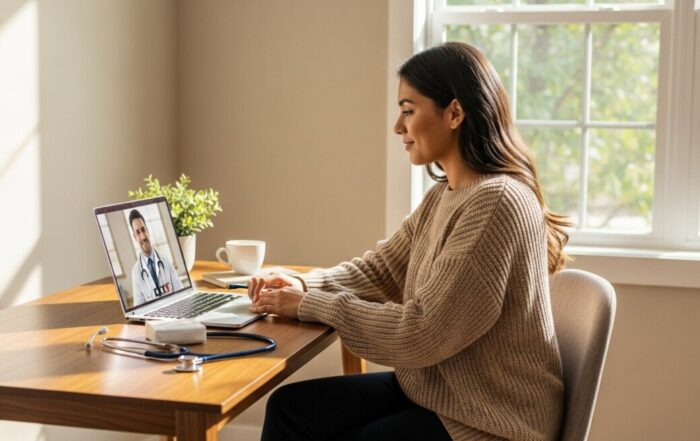
Healthcare has changed dramatically in recent years. The idea of seeing a doctor without leaving your home once seemed futuristic. Now it is a reality for millions of people across the United States. A remote doctor visit offers a way to receive medical care through a smartphone, tablet, or computer. This shift is reshaping how we think about healthcare access, convenience, and affordability. Understanding how online consultations work can help you decide if this approach is right for your next medical need.
Telemedicine platforms like DoctorsHome connect patients with licensed healthcare professionals for virtual appointments. Instead of driving to a clinic and sitting in a waiting room, you can complete a consultation from your living room, office, or even while traveling. The process is designed to be simple and efficient. You fill out an online form, a doctor reviews your information, and if appropriate, a prescription or test kit is sent directly to your door. This streamlined model saves time and reduces exposure to illnesses in crowded waiting areas.
This article walks through the entire process of a remote doctor visit. You will learn what to expect before, during, and after an online consultation. We will cover the technology involved, the types of conditions treated, and how to choose the right platform. By the end, you will have a clear picture of whether virtual care fits your lifestyle and health needs.
What Is a Remote Doctor Visit?
A remote doctor visit is a medical consultation that takes place over the internet using video, phone, or secure messaging. It is also called a telehealth call or a telemed doctor appointment. These visits allow patients to speak directly with a licensed healthcare provider without being in the same physical location. The provider can assess symptoms, answer questions, and recommend treatment plans just like they would during an in-office visit.
Remote consultations are not brand new, but their adoption has accelerated rapidly. Many people first tried virtual care during the pandemic and discovered it worked well for routine concerns. Today, a telehealth clinic can handle a wide range of non-emergency issues. These include allergies, infections, skin conditions, mental health support, and chronic disease management. For many patients, a remote visit is the first step in getting care for common ailments.
One key advantage of a remote doctor visit is accessibility. People living in rural areas or those with limited transportation can connect with specialists they might otherwise struggle to see. Working parents, busy professionals, and individuals with mobility challenges also benefit from the convenience. The ability to schedule an appointment outside traditional office hours adds another layer of flexibility.
How Does an Online Consultation Work Step by Step?
The process of an online consultation is straightforward. Most telemedicine platforms follow a similar workflow. Understanding each stage helps you feel prepared and confident when you start your first visit.
Step 1: Create an Account and Complete an Intake Form
Your journey begins by visiting the telemedicine website or app. You will need to create an account with basic information such as your name, date of birth, and contact details. After registering, you complete a health intake form. This form asks about your current symptoms, medical history, medications you take, and any allergies you have. Being thorough and honest here helps the doctor make an accurate assessment.
For platforms like DoctorsHome, the intake form is designed to be quick and easy. You fill it out at your own pace. Some services allow you to save your progress and return later. The information you provide is kept secure and confidential, in compliance with healthcare privacy laws.
Step 2: Doctor Review and Consultation
Once you submit your intake form, a licensed healthcare professional reviews it. Depending on the platform, this might happen immediately or within a few hours. For non-urgent issues, many services guarantee a response within 24 hours. The doctor may ask follow-up questions through secure messaging or schedule a live video call for a more detailed discussion.
During the consultation, the doctor will ask about your symptoms, their duration, and any factors that make them better or worse. They might request photos if the condition is visible, such as a rash or eye irritation. This virtual interaction allows the provider to gather enough information to make a diagnosis and recommend a treatment plan. The tone is professional yet conversational, putting you at ease.
Step 3: Receive a Treatment Plan and Prescription (If Needed)
After the consultation, the doctor provides a treatment plan. This could include lifestyle advice, over-the-counter remedies, or a prescription medication. If a prescription is appropriate, the doctor sends it electronically to a pharmacy. Many telemedicine platforms have in-house pharmacy services. In that case, the medication is prepared and shipped directly to your address in discreet packaging. Delivery typically takes two to five business days.
For conditions like herpes virus or eye allergies, DoctorsHome offers specific prescription services that handle the entire process from consultation to delivery. This end-to-end approach eliminates extra trips to a separate pharmacy. The convenience of having medication arrive at your door is a major benefit for many patients.
What Conditions Can Be Treated Through a Remote Visit?
Remote doctor visits are suitable for a broad range of non-emergency medical concerns. Knowing what can and cannot be treated virtually helps set realistic expectations. Here are common conditions that telemedicine platforms handle effectively:
- Infections: Urinary tract infections, sinus infections, bronchitis, and skin infections can often be diagnosed and treated with antibiotics after a video consultation.
- Allergies: Seasonal allergies, eye allergies, and allergic reactions are frequently managed through virtual visits with prescriptions for antihistamines or eye drops.
- Skin Conditions: Rashes, acne, eczema, and psoriasis can be evaluated using photos and video. Dermatology telehealth is a growing specialty within virtual care.
- Chronic Disease Management: Patients with diabetes, high blood pressure, or thyroid disorders can have follow-up appointments online to review lab results and adjust medications.
- Mental Health: Therapy and medication management for anxiety, depression, and other mental health conditions are well suited to remote consultations.
- Sexual and Reproductive Health: Birth control consultations, STI testing and treatment, and herpes management are common services offered by telemedicine platforms.
It is important to note that emergency situations, such as chest pain, severe bleeding, or difficulty breathing, require immediate in-person care. A remote doctor visit is not appropriate for life-threatening conditions. Always call 911 or go to the nearest emergency room for urgent medical problems.
Technology Requirements for a Smooth Telehealth Call
To participate in a remote doctor visit, you need a few basic pieces of technology. Most platforms are designed to work on common devices, so you likely already have everything required.
First, you need a device with a camera and microphone. This could be a smartphone, tablet, laptop, or desktop computer. A stable internet connection is essential for video calls. A wired connection or strong Wi-Fi signal prevents interruptions and ensures clear audio and video quality. If your internet is slow, some platforms offer phone-only consultations as a backup option.
Second, you need a private, quiet space where you can speak openly with the doctor. This could be a home office, bedroom, or even your car parked in a safe location. Privacy is important because you may discuss sensitive health information. Wearing headphones can help keep the conversation confidential if others are nearby.
Finally, you may need to download a specific app or use a web browser. Most platforms send you a link before the appointment. Clicking the link opens the virtual waiting room. Test your camera and microphone before the scheduled time to avoid technical delays. If you encounter issues, customer support teams are usually available to help troubleshoot.
How to Choose the Right Telemedicine Platform
Not all telemedicine services are the same. Choosing the right platform depends on your specific health needs, budget, and preferences. Here are factors to consider when evaluating options:
- Services Offered: Some platforms focus on general primary care, while others specialize in areas like dermatology, mental health, or sexual health. Make sure the platform treats the condition you need help with.
- Licensing and Credentials: Confirm that the healthcare providers are licensed in your state. Each state has its own regulations for telemedicine, and doctors must be authorized to practice where you live.
- Cost and Insurance: Review the pricing structure. Some platforms charge a flat fee per visit, while others accept insurance. Check if your insurance plan covers telehealth consultations. Many plans now include virtual visits as a covered benefit.
- Prescription and Pharmacy Services: If you need medication, find out how prescriptions are handled. Platforms with in-house pharmacy services, like DoctorsHome, offer a seamless experience from consultation to delivery.
- User Experience: Read reviews and explore the app or website before committing. A user-friendly interface and responsive customer support make the process smoother.
Taking time to compare platforms ensures you find a service that aligns with your expectations. Many people start with a general telemedicine provider and then switch to a specialized service for ongoing conditions. The flexibility of virtual care allows you to customize your healthcare journey.
Benefits and Limitations of Remote Doctor Visits
Remote doctor visits offer clear advantages, but they also have limitations. Understanding both sides helps you make informed decisions about your care.
On the benefit side, convenience is the biggest draw. You save time by eliminating travel and waiting. Appointments are often available sooner than in-person visits, sometimes within minutes. Virtual care also reduces exposure to other sick patients, which is especially valuable during cold and flu season. For people with busy schedules or limited mobility, telemedicine provides access to healthcare that might otherwise be out of reach.
Cost is another advantage. Many telehealth visits cost less than traditional office visits. Some platforms offer flat rates that are transparent upfront. In our guide on remote doctor visits in Reno, we explain how virtual care can help patients avoid surprise bills and manage healthcare costs effectively.
However, remote visits have limitations. Physical examinations are restricted. The doctor cannot listen to your heart or lungs, check your ears, or perform certain diagnostic tests. For complex issues, an in-person visit may still be necessary. Additionally, not all conditions can be diagnosed through a screen. If your symptoms are unclear or require lab work, the doctor may refer you to a local clinic for further evaluation.
Technology can also be a barrier. Patients who are not comfortable with digital tools may find the process stressful. Reliable internet access is not universal, particularly in rural or low-income areas. Telemedicine platforms are working to bridge this gap, but it remains a consideration.
Frequently Asked Questions
Is a remote doctor visit as effective as an in-person visit?
For many common conditions, remote visits are equally effective. Studies show that virtual consultations lead to appropriate diagnoses and treatment plans for issues like sinus infections, urinary tract infections, and skin rashes. However, for complex or emergency situations, in-person care remains essential.
Do I need health insurance for a telehealth call?
No, you do not always need insurance. Many telemedicine platforms offer affordable flat-rate visits that are accessible without insurance. If you have insurance, check whether your plan covers telehealth. Many insurers now include virtual visits as part of their benefits.
Can I get a prescription during a remote doctor visit?
Yes, if the doctor determines that medication is appropriate. They can send prescriptions electronically to a pharmacy or arrange direct delivery through the platform. Controlled substances may have additional restrictions depending on state laws.
How do I prepare for my first remote consultation?
Make a list of your symptoms, including when they started and what makes them better or worse. Have your medical history and current medications ready. Find a quiet, well-lit space with a stable internet connection. Test your camera and microphone before the appointment.
Are my medical records kept private?
Yes. Telemedicine platforms are required to follow HIPAA regulations, which protect your health information. Data is encrypted and stored securely. Always use a private internet connection rather than public Wi-Fi for added security.
Remote doctor visits are transforming healthcare delivery. They offer a practical, efficient way to address many medical concerns without the hassle of traditional office visits. By understanding how online consultations work, you can take advantage of this modern approach to healthcare. Whether you are managing a chronic condition or seeking treatment for a sudden illness, a telehealth call might be the right choice for your next appointment. As technology continues to improve, the role of virtual care will only grow, making healthcare more accessible for everyone. Learn more
About the Author: Kevin Ramirez




Sign up for our newsletter and Save 20% on Test Kits
"*" indicates required fields