

Virtual Dermatologist Consultation: Expert Skin Care From Home
Virtual Dermatologist Consultation: Expert Skin Care From Home
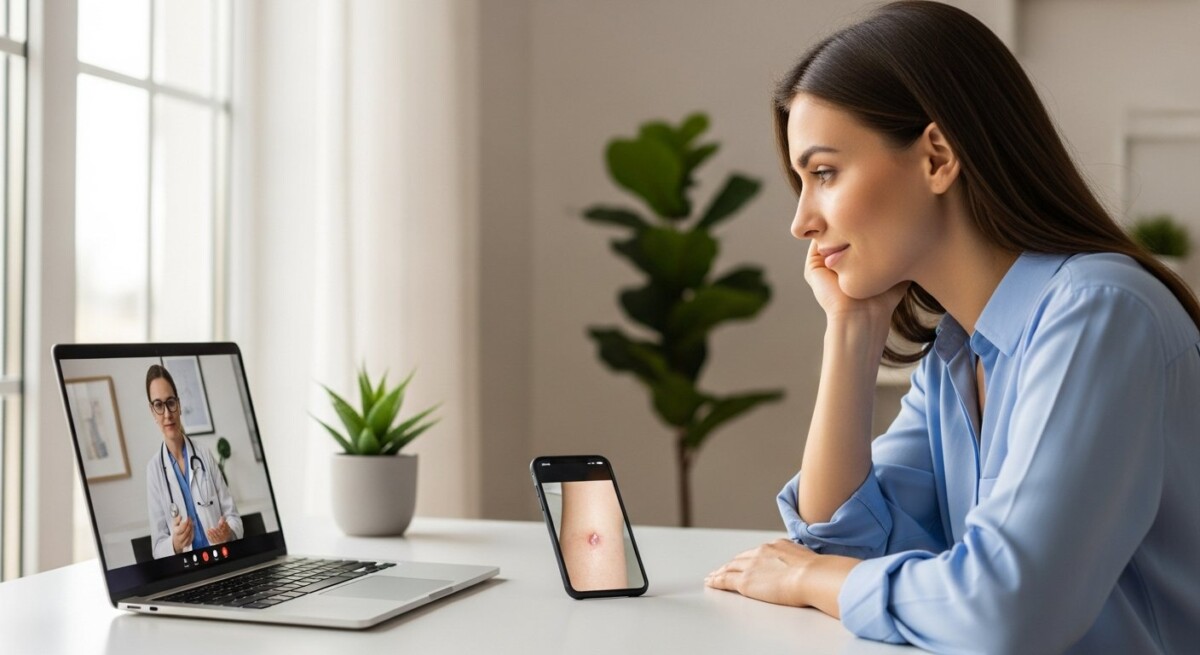
Imagine addressing a persistent skin concern without rearranging your schedule, sitting in a waiting room, or traveling across town. This is the reality offered by a virtual dermatologist consultation, a rapidly growing segment of telemedicine that brings expert skin, hair, and nail care directly to your screen. For millions dealing with acne, rashes, psoriasis, or simply seeking advice on anti-aging or mole checks, this digital approach removes traditional barriers to dermatological care. It represents a fundamental shift in how we access specialized medicine, prioritizing convenience, speed, and patient-centricity. This comprehensive guide explores how virtual dermatology works, its ideal use cases, and how to prepare for a successful online visit to achieve clearer, healthier skin.
How a Virtual Dermatology Appointment Works
The process for a virtual dermatologist consultation is designed to be intuitive and secure, mirroring the clinical steps of an in-person visit but within a digital framework. It begins with selecting a reputable platform, like Doctors Home, that connects you with licensed, board-certified dermatologists or dermatology-trained providers. After creating an account and providing basic medical history, you schedule an appointment at a time that suits you, often with same-day or next-day availability that far exceeds the typical wait for an office visit.
Prior to the consultation, you will typically be guided to upload high-quality photographs of the area of concern. This step is crucial, as clear images from multiple angles and in good lighting serve as the provider’s primary diagnostic tool. You may also be asked to fill out a detailed questionnaire about your symptoms, duration, previous treatments, and any allergies. When your appointment time arrives, you connect via a secure, HIPAA-compliant video platform. The consultation itself involves a live discussion where the dermatologist reviews your photos, asks follow-up questions, and may even ask you to manipulate the camera for a closer look. The provider then discusses their assessment, recommends a treatment plan, and, if appropriate, can electronically prescribe medications to your local pharmacy. For a deeper understanding of the technology enabling these visits, our resource on telehealth platforms explained details the secure infrastructure behind virtual care.
Conditions Ideal for Online Dermatology Consultation
Virtual dermatology is exceptionally effective for a wide range of common, visually diagnosable conditions. It is important for patients to understand which concerns are well-suited for a remote evaluation and which absolutely require a physical, hands-on examination. The following conditions are frequently and successfully managed through virtual consultations:
- Acne (Mild to Moderate): Assessment of blackheads, whiteheads, papules, and pustules for prescription topical treatments or oral medications.
- Rosacea and Facial Redness: Evaluation of flushing, visible blood vessels, and bumps to manage this chronic condition.
- Eczema and Dermatitis: Management of itchy, inflamed skin patches, including prescription steroid creams and non-steroidal alternatives.
- Psoriasis: Follow-up care and management of plaque psoriasis, especially for medication refills and monitoring.
- Rashes (Allergic, Contact): Diagnosis of new rashes where history and visual appearance provide strong diagnostic clues.
- Skin Infections (Fungal, Bacterial): Such as athlete’s foot, ringworm, or impetigo, which have distinctive visual characteristics.
- Hair Loss (Alopecia): Preliminary evaluation and management plans for thinning hair or patchy hair loss.
- Nail Fungus: Assessment of discolored, thickened nails for antifungal treatment plans.
- Benign Growths: Evaluation of seborrheic keratoses, skin tags, or cherry angiomas.
- Medication Refills and Follow-ups: Convenient management of ongoing treatments for stable, chronic conditions.
It is critical to note that virtual consultations are not suitable for evaluating new, changing, or irregular moles for skin cancer screening, or for assessing lesions that may require a biopsy. Any rapidly changing, bleeding, painful, or deeply ulcerated growth requires an immediate in-person evaluation. A virtual visit can, however, be an excellent first step to determine if an in-person visit is urgently needed.
Preparing for Your Online Dermatology Visit
Your preparation directly impacts the quality and effectiveness of your virtual dermatologist consultation. Think of it as gathering the information your doctor would normally gather through direct observation and touch. Start by finding a well-lit room with natural light if possible. Avoid yellow-tinted artificial lights. Use a plain, neutral-colored background so your skin is the clear focus. Ensure your device (phone, tablet, or computer) has a high-quality camera and a stable internet connection.
The most important preparatory step is taking clear photographs. Use the back camera of your smartphone, as it is typically higher resolution. Have someone assist you if the area is hard to see yourself. Take multiple photos: a wide-shot to show location on your body, a close-up with the area in focus, and photos from different angles. Include a reference object, like a coin or ruler, next to the lesion to indicate scale. Do not use filters, digital zoom, or beauty modes. Capture the images on the day of or the day before your appointment to ensure they are current. Write down a concise history: when the issue started, how it has changed, any itching or pain, all products you’ve used on it, and any relevant family medical history. Having this information organized will make the consultation efficient and productive.
Benefits and Limitations of Remote Skin Care
The advantages of choosing a virtual dermatologist consultation are substantial, particularly for patients seeking accessible and efficient care. The most cited benefit is unparalleled convenience. Patients save travel time, avoid taking extensive time off work, and eliminate waiting room exposure to other illnesses. This model dramatically increases access for individuals in rural areas or regions with a shortage of dermatology specialists. Appointments are often more readily available, reducing wait times from months to days. The comfort of consulting from one’s own home can also lead to more open and detailed discussions about sensitive skin issues. From a cost perspective, virtual visits can be more affordable than in-person specialist copays and are widely covered by insurance plans post-pandemic. Furthermore, platforms like Doctors Home integrate directly with pharmacy networks and, for certain conditions, can facilitate access to at-home testing kits for a more comprehensive health picture.
However, a balanced view requires acknowledging the limitations. The primary constraint is the lack of physical examination. A dermatologist cannot palpate a lesion to feel its texture or depth, perform a dermatoscopic examination of a mole with a specialized tool, or conduct a biopsy. This makes it unsuitable for diagnosing skin cancers like melanoma, which requires a tactile and magnified evaluation. There is also a dependency on patient-provided technology and image quality. Poor lighting or blurry photos can hinder diagnosis. Certain treatments, like injections, laser therapy, or surgical procedures, simply cannot be performed remotely. The key is to use virtual dermatology as a powerful tool within a hybrid care model, where it handles appropriate conditions and triages others to in-person care. For complex cases, a virtual consultation can also serve as a valuable online second opinion service before committing to a major treatment path.
What to Expect After Your Consultation
The conclusion of your video call is not the end of the care process. A robust virtual dermatology service provides clear next steps. You will typically receive a written visit summary and treatment plan via a secure patient portal. This document should detail the diagnosis, prescribed medications with instructions, recommended over-the-counter products, and lifestyle or skincare routine adjustments. If a prescription is issued, it will be sent electronically to your chosen pharmacy, often within hours. Your provider should also outline clear guidelines on when to follow up, which may be another virtual visit to assess treatment progress in 4-8 weeks, or a recommendation to see an in-person dermatologist for further evaluation.
It is your responsibility as a patient to follow the treatment plan as directed and monitor your condition. Take progress photos at intervals to track changes. Use the patient portal to message your provider with non-urgent questions about side effects or clarifications. If your condition worsens unexpectedly or does not improve as anticipated, contact the platform for guidance, which may include a follow-up consultation or a referral for in-person care. The goal is a continuous care relationship, not a single transactional event.
Frequently Asked Questions (FAQs)
Is a virtual dermatologist consultation as effective as an in-person visit? For the wide range of conditions listed earlier, yes, studies and patient satisfaction surveys show equivalent outcomes for diagnosis and treatment management. For conditions requiring a biopsy or physical procedure, an in-person visit is necessary.
Can I get a prescription for acne or rosacea through a virtual visit? Absolutely. Prescribing for common conditions like acne, rosacea, eczema, and fungal infections is a standard part of virtual dermatology. Licensed providers can send prescriptions for topical creams, oral antibiotics, and other medications directly to your pharmacy.
How much does it cost, and is it covered by insurance? Many major insurance plans now cover telehealth visits similarly to in-person visits. Cash prices vary by platform but are often transparent and listed upfront. Always check with your insurance provider and the telemedicine service for specific coverage details.
What if the dermatologist cannot diagnose my issue online? A responsible provider will not guess. If a condition cannot be confidently diagnosed remotely, they will advise you on the next steps, which will include a referral to an in-person dermatologist for further evaluation, possibly with a sense of urgency.
Are the dermatologists on these platforms real and qualified? Reputable platforms like Doctors Home only credential licensed, board-certified dermatologists or nurse practitioners with advanced dermatology training. You can and should verify a provider’s credentials through the platform’s bio or state medical board websites.
Virtual dermatologist consultations have cemented their place as a vital, accessible, and effective component of modern healthcare. They democratize access to specialist care, streamline management of chronic skin conditions, and provide a convenient entry point for new concerns. By understanding how to effectively use this tool, preparing thoroughly for your visit, and recognizing both its capabilities and boundaries, you can take proactive control of your skin health from the comfort of your home. This model of care, especially when offered through integrated platforms that connect consultation, pharmacy, and testing, represents a thoughtful and patient-forward evolution in dermatology.
About the Author: Olivia Bennett




Sign up for our newsletter and Save 20% on Test Kits
"*" indicates required fields