
Understanding Home Palliative Care vs Hospice Care Differences
Understanding Home Palliative Care vs Hospice Care Differences
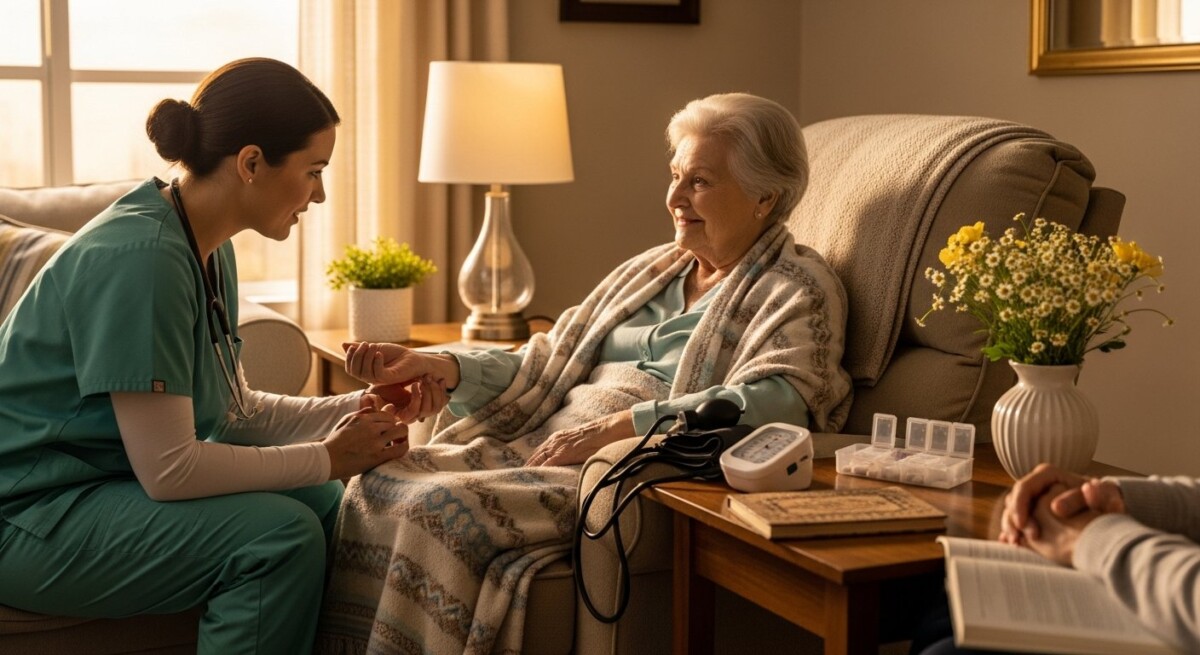
When a serious illness enters the picture, the focus of care often shifts from cure to comfort, a transition that can be both emotionally and logistically challenging for families. Two primary models of comfort-focused care, palliative care and hospice care, are frequently mentioned, yet their distinctions remain a source of confusion. Many people mistakenly use the terms interchangeably, but understanding the critical differences between home palliative care vs hospice care differences is essential for making informed decisions that align with a patient’s medical needs, treatment goals, and personal wishes. This clarity empowers families to access the right support at the right time, ensuring quality of life remains at the forefront throughout a health journey.
Defining the Core Philosophies and Goals
At their heart, both palliative care and hospice care share a foundational philosophy: to relieve suffering and improve quality of life for patients with serious illnesses and their families. This is achieved through a holistic approach that addresses physical pain, emotional distress, spiritual concerns, and practical needs. However, their operational goals and the timing of their intervention diverge significantly.
Palliative care is specialized medical care for people living with a serious illness, such as cancer, heart failure, COPD, or kidney disease. Its primary goal is to provide relief from the symptoms and stress of the illness, with the intent to improve quality of life for both the patient and the family. Crucially, palliative care can be provided at any age and at any stage in a serious illness, and it can be given alongside curative or life-prolonging treatments. Think of it as an extra layer of support. A patient undergoing chemotherapy for cancer, for instance, can receive palliative care to manage the nausea, fatigue, and anxiety caused by the treatment, all while continuing to pursue a cure.
Hospice care, on the other hand, is a specific type of palliative care for people who are in the final stages of a terminal illness. The goal shifts from curative or life-prolonging treatment to comfort care alone. Hospice is provided when a patient’s doctor determines they have a life expectancy of six months or less if the illness runs its normal course. The focus becomes entirely on ensuring the patient’s remaining time is as comfortable and dignified as possible, managing symptoms aggressively, and providing comprehensive support to the family. It is a recognition that the burden of curative treatment may now outweigh the benefits, and the priority is peaceful closure.
Key Differences in Eligibility, Timing, and Treatment
The divergence in philosophy leads to concrete, practical differences that define the patient’s experience. These distinctions are most evident in three areas: eligibility and prognosis, treatment approach, and care setting and team structure.
First, eligibility is the most definitive line. Palliative care has no prognostic requirements. A patient can be referred for palliative care at the time of diagnosis of a serious illness and continue to receive it for years. Hospice care requires a physician’s certification that the patient has a terminal illness with a life expectancy of six months or less, should the disease follow its typical progression. This prognosis must be recertified at specific intervals.
Second, the approach to treating the underlying illness is fundamentally different. Under the hospice model, patients elect to forgo curative treatments aimed at defeating their terminal illness. For example, a person with advanced cancer on hospice would stop chemotherapy, radiation, or surgery intended to cure or slow the cancer. Treatment is solely for comfort: pain medication, oxygen for shortness of breath, and therapies to manage anxiety or agitation. In palliative care, there is no such requirement. Patients continue with dialysis, chemotherapy, immunotherapy, or surgeries if they and their doctors believe these interventions are beneficial and aligned with their goals. The palliative team works in tandem with the treating specialists to manage side effects and improve tolerance to these very treatments.
Third, while both can be provided at home, their structure often differs. Home-based palliative care programs are growing but not yet universally available. It often involves periodic visits from a nurse practitioner, nurse, and social worker who consult with the patient’s primary and specialist doctors. Hospice care delivered at home is typically more intensive and comprehensive. It provides a full interdisciplinary team (doctor, nurse, aide, social worker, chaplain, volunteer) available 24/7 for crises and includes all medications, medical equipment, and supplies related to the terminal diagnosis. The hospice team assumes primary management of the patient’s care related to the terminal condition.
Insurance Coverage and Financial Considerations
Understanding how these services are paid for is a critical practical concern. In the United States, the coverage models for palliative care and hospice care are distinct, which directly impacts patient responsibility and access.
Medicare, Medicaid, and most private insurance plans cover hospice care comprehensively under the Medicare Hospice Benefit or similar provisions. This benefit covers all services, medications, and equipment related to the terminal illness with little to no out-of-pocket cost to the patient. It is a per-diem payment model to the hospice agency. This coverage is a major reason hospice care is often described as a “benefit” rather than just a service.
Palliative care coverage is less uniform. When provided by a hospital-based team or as part of outpatient clinic visits, it is typically billed through Medicare Part B or private insurance like any other medical consultation, subject to copays and deductibles. Coverage for dedicated home-based palliative care programs varies significantly by state, insurance plan, and specific program. Some Medicare Advantage plans and innovative care models now offer it as a covered benefit, but it is not yet a standardized national benefit like hospice. This patchwork system can create access barriers and unexpected costs, making it vital for families to verify coverage with their insurance provider. Managing medication for complex symptoms is a core part of both models, and understanding delivery options is key. For families coordinating many prescriptions, a reliable 24 hour pharmacy delivery service can be an invaluable support, ensuring medications are available when needed without added stress.
Choosing the Right Path: A Decision Framework
Deciding between pursuing palliative care or transitioning to hospice is a profound choice that should be made collaboratively with the patient, family, and healthcare team. It is not a one-time decision but part of an ongoing conversation about goals of care. The following framework can help guide this discussion.
Consider palliative care if: The patient is undergoing aggressive treatment for a serious illness but is struggling with symptoms like pain, shortness of breath, fatigue, depression, or side effects from treatment. The goal is to improve quality of life while continuing to fight the disease. The patient and family want extra support navigating complex medical decisions and coordinating care among multiple specialists.
Consider hospice care if: Curative treatments are no longer working, are too burdensome, or the patient decides to stop them. The primary goal is comfort, dignity, and quality of life in the time that remains. The doctor estimates a life expectancy of months, not years. The patient wishes to remain at home and the family needs intensive, round-the-clock support to make that possible.
It is also vital to know that these paths are not mutually exclusive. A common and ideal trajectory is for a patient to engage with a palliative care team early in their illness. This relationship builds trust and provides expert symptom management. Then, when the illness progresses and the focus naturally shifts to purely comfort-oriented care, the transition to hospice becomes a seamless next step, often facilitated by the same or a similar team. This continuity can be incredibly comforting for patients and families.
The Shared Commitment to Comfort and Dignity
While the differences in home palliative care vs hospice care differences are structured and significant, their shared commitment unites them. Both models champion the idea that medicine’s role extends beyond simply prolonging life to actively ensuring that the life being lived is of the highest possible quality. They prioritize the patient’s voice, honor their personal values and goals, and treat the family as an integral part of the unit of care. They address the whole person, not just the disease.
Ultimately, knowledge of these distinctions empowers individuals and families. It allows for proactive planning, reduces crisis-driven decision-making, and ensures that support systems are in place that truly match the current chapter of a health journey. By understanding that palliative care can be a partner throughout a long illness and that hospice is a specialized resource for life’s final months, we can better navigate these challenging paths with clarity, compassion, and a focus on what matters most: living as well as possible, for as long as possible.
About the Author: Laura Simmons




Sign up for our newsletter and Save 20% on Test Kits
"*" indicates required fields