

Telemedicine for Women’s Health: A Modern Care Revolution
Telemedicine for Women’s Health: A Modern Care Revolution
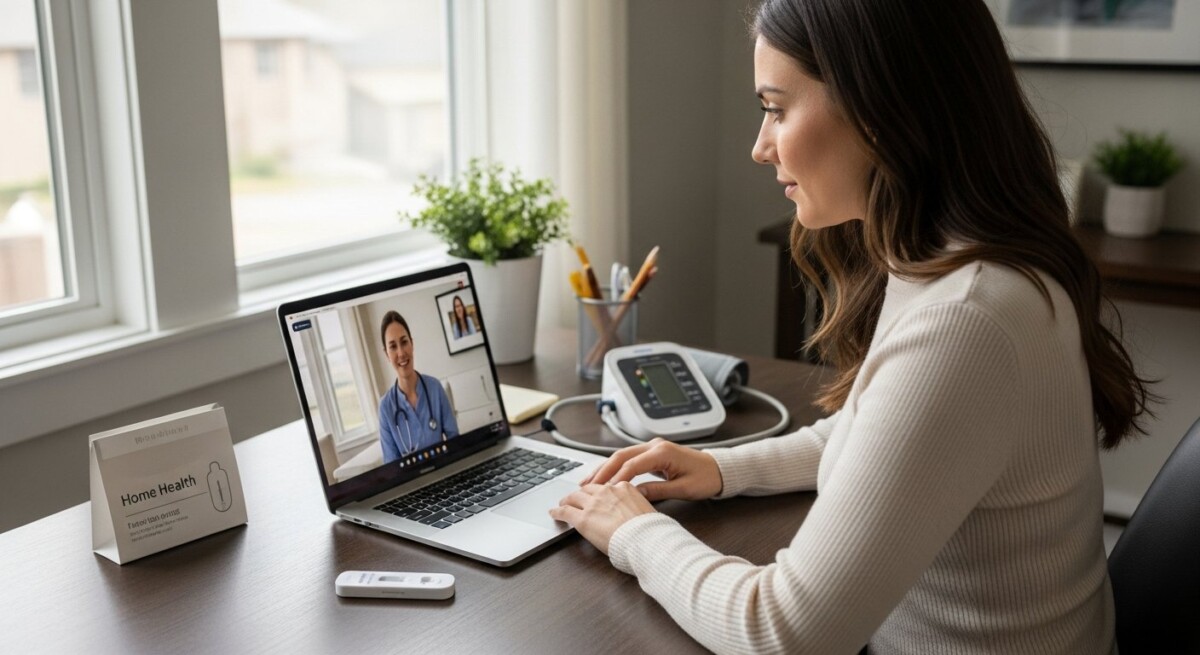
For many women, accessing consistent, high-quality healthcare has long been a challenge, tangled in a web of logistical hurdles, time constraints, and even social stigma. The traditional model of in-person visits can be a significant barrier, especially for those managing chronic conditions, seeking sensitive consultations, or balancing demanding personal and professional lives. Today, a powerful solution is reshaping this landscape: telemedicine for women’s health. This digital evolution is not merely a convenient alternative, it is a transformative approach that is making comprehensive, compassionate care more accessible, private, and proactive than ever before. By leveraging secure video, phone, and messaging platforms, women can now connect with dedicated healthcare providers from the comfort and privacy of their own homes, breaking down geographical and systemic barriers to essential services.
The Expanding Scope of Virtual Women’s Health Services
Telemedicine for women’s health extends far beyond a single service. It encompasses a wide and growing spectrum of care, effectively addressing both routine and complex health needs. Initially popular for basic consultations, the platform has matured to support nuanced, ongoing health management. This breadth is crucial, as women’s health needs are diverse and evolve throughout different life stages. From adolescence through menopause and beyond, virtual care offers a consistent, accessible point of contact. The scope includes preventive care, management of chronic conditions, mental health support, and specialized consultations that were once thought to require an in-office visit. This expansion signifies a shift towards integrated, patient-centered care models that prioritize continuity and convenience without compromising quality.
Preventive Care and Routine Consultations
Fundamental preventive care forms the backbone of long-term health, and telemedicine excels in facilitating these essential interactions. Women can use virtual visits for annual well-woman consultations, where they can discuss health goals, review family history, and develop personalized prevention plans. Birth control counseling and prescription management is another area where telemedicine offers exceptional efficiency and privacy, allowing for detailed discussions about options and side effects without the need for a pharmacy or clinic visit. Furthermore, providers can offer guidance on nutrition, exercise, and lifestyle modifications to manage weight, improve cardiovascular health, or address pre-diabetes. These routine touchpoints are vital for early detection and health maintenance, and making them more accessible increases the likelihood of patient engagement and adherence to health plans.
Managing Chronic and Hormonal Conditions
For women managing ongoing health issues, the regular monitoring and medication adjustments required can make frequent office visits burdensome. Telemedicine provides a sustainable solution for chronic disease management. Conditions like Polycystic Ovary Syndrome (PCOS), endometriosis, thyroid disorders, and menopause symptoms often require frequent follow-ups to manage medication efficacy and side effects. Virtual appointments allow for convenient check-ins to discuss symptom progression, review lab results (often obtained through at-home testing integration), and adjust treatment plans. This model supports consistent care, which is critical for stabilizing hormonal fluctuations and managing chronic pain or fatigue. It empowers patients to be active participants in their care between necessary in-person procedures or exams.
Mental and Emotional Wellbeing
The intrinsic link between mental and physical health is undeniable, particularly in women’s health where hormonal changes can significantly impact mood and anxiety. Telemedicine has dramatically improved access to mental health support. Licensed therapists, psychologists, and psychiatrists specializing in women’s issues, such as perinatal and postpartum depression, anxiety related to menopause, or the stress of chronic illness, are available through virtual platforms. This access is revolutionary for those in areas with a shortage of specialists or for individuals who find the idea of in-person therapy daunting. The privacy of receiving care from home can encourage more open communication, leading to more effective treatment. For a deeper look at how to initiate this kind of care, our resource on how to connect with a telemedicine doctor online outlines the straightforward process.
Key Benefits and Advantages for Patients
The adoption of telemedicine for women’s health is driven by a compelling set of advantages that directly address long-standing pain points in the healthcare experience. These benefits translate into tangible improvements in health outcomes, financial savings, and overall quality of life. They represent more than mere convenience, they are foundational shifts in how care is delivered and experienced.
- Unmatched Accessibility and Convenience: This is the most immediate benefit. Telemedicine eliminates travel time, reduces time off work, and removes the need for childcare during appointments. It is especially crucial for patients in rural areas, those with mobility challenges, or individuals with demanding schedules.
- Enhanced Privacy and Reduced Stigma: Sensitive topics, such as sexual health, urinary incontinence, mental health, or intimate partner violence, can be discussed more openly from a private, familiar setting. This comfort level can lead to more honest conversations and earlier intervention.
- Continuity of Care and Stronger Patient-Provider Relationships: Virtual check-ins facilitate more frequent communication, allowing providers to monitor conditions closely and build stronger rapport. This continuous connection can improve medication adherence and patient satisfaction.
- Cost-Effectiveness: Patients often save on ancillary costs like transportation, parking, and missed wages. Many insurance plans now cover telemedicine visits at rates comparable to in-person visits, and out-of-pocket costs for self-pay patients can be lower.
- Proactive Health Management: The ease of access encourages women to seek care earlier for symptoms they might have otherwise ignored, leading to earlier diagnosis and treatment. This proactive approach is fundamental to preventive health.
These advantages collectively empower women to take a more active and consistent role in managing their health. The model aligns perfectly with modern hybrid care models that blend digital and in-person touchpoints to create a seamless care journey. The growth of this sector is supported by leading telemedicine companies that are developing platforms specifically tailored to women’s health needs, offering specialized networks of providers and integrated services.
Navigating the Practicalities of a Virtual Visit
To maximize the benefits of a telemedicine appointment, a small amount of preparation is key. Being ready ensures the time with your provider is efficient and productive. First, ensure you have a reliable internet connection and a device with a working camera and microphone, such as a smartphone, tablet, or computer. Test your technology before the appointment to troubleshoot any audio or video issues. Find a quiet, private, and well-lit space where you will not be interrupted. Have relevant information on hand: a list of current medications (including dosages), your pharmacy’s name and address, any recent lab results or health records you wish to discuss, and a list of specific questions or symptoms you want to address. It can be helpful to note the onset, duration, and severity of any symptoms. Just as you would for an in-person visit, be prepared to discuss your medical history. This preparation allows the provider to offer the most accurate and helpful guidance during the consultation. Understanding the landscape of providers is also useful, as explored in our overview of leading telemedicine companies for virtual healthcare access.
Understanding the Limitations and Safety
While telemedicine for women’s health is powerful, it is not a complete replacement for all in-person care. Recognizing its boundaries is essential for safe and effective use. There are clear clinical limitations: physical examinations, such as pelvic exams, clinical breast exams, or diagnostic imaging like mammograms and ultrasounds, cannot be performed virtually. Certain procedures, including IUD insertions or colposcopies, will always require an office visit. Telemedicine is also not suitable for medical emergencies, such as severe abdominal pain, chest pain, heavy bleeding, or signs of a stroke or heart attack, which require immediate emergency room care. The safety and efficacy of a telemedicine visit depend on an accurate diagnosis made without a hands-on exam. Reputable platforms ensure providers are fully licensed and use HIPAA-compliant, secure software to protect patient data. The ideal approach is to view telemedicine as a core component of a blended care strategy, where virtual visits handle appropriate consultations, follow-ups, and education, while in-person visits are scheduled for necessary physical assessments and procedures.
Frequently Asked Questions
Can I get a prescription through a women’s health telemedicine visit?
Yes, in most cases. Providers can prescribe a wide range of medications, including birth control, hormones for menopause, antibiotics for UTIs (when appropriate), and medications for chronic conditions like thyroid disorders. Controlled substances may have stricter regulations. Prescriptions are sent electronically to your chosen pharmacy.
Is telemedicine for women’s health covered by insurance?
Coverage has expanded significantly. Most private insurers, Medicare, and Medicaid now cover telemedicine visits. However, coverage details (like copay amounts) can vary. It is always advisable to check with your insurance provider before your appointment to understand your specific benefits.
What if I need lab work or tests?
Many telemedicine platforms are integrated with lab networks. Your provider can order necessary tests (like blood work for hormone levels or STI screening), and you can have them drawn at a local lab facility. Some companies also offer at-home testing kits that are mailed to you, with detailed instructions for sample collection.
How do I choose a reputable telemedicine provider?
Look for platforms that specialize in or have a dedicated section for women’s health. Ensure they use licensed, board-certified providers in your state. Read patient reviews, verify their privacy policy, and confirm they use secure, encrypted video technology. The platform should clearly outline their services, costs, and prescription policies.
Can I use telemedicine for prenatal care?
Telemedicine is increasingly used in prenatal care as a supplement, not a replacement, for in-person obstetric visits. It can be excellent for routine check-ins, discussing symptoms, reviewing test results, and providing education between essential in-person appointments for ultrasounds and physical exams. Always follow your obstetrician’s recommended schedule for in-person visits.
The integration of telemedicine into women’s health represents a profound and positive shift towards more equitable, efficient, and patient-empowered healthcare. By dismantling traditional barriers of time, distance, and discomfort, it fosters a proactive relationship between women and their healthcare providers. This model supports not only the treatment of illness but the active promotion of lifelong wellness. As technology and healthcare policy continue to evolve, telemedicine will undoubtedly become an even more seamless and essential thread in the fabric of comprehensive women’s healthcare, ensuring that quality support is always within reach.
About the Author: Michael Anderson




Sign up for our newsletter and Save 20% on Test Kits
"*" indicates required fields