
Telemedicine Benefits for Patients and Providers
Telemedicine Benefits for Patients and Providers
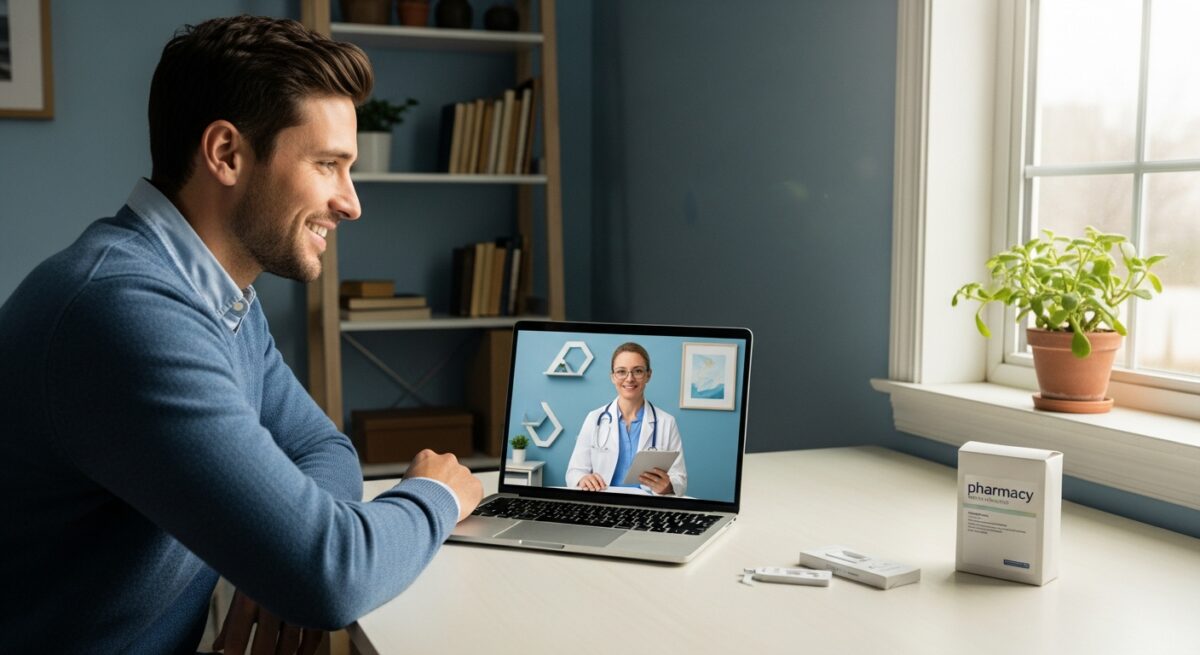
Telemedicine has transformed how healthcare is delivered, offering a bridge between patients and providers that eliminates geographical and logistical barriers. The benefits of telemedicine for patients and providers extend far beyond convenience, reshaping the entire care experience. For patients, it means faster access to licensed professionals from the comfort of home. For providers, it enables efficient practice management and expanded reach. As digital health adoption accelerates, understanding these advantages helps both groups make informed decisions about virtual care.
How Telemedicine Improves Patient Access to Care
One of the most significant advantages of telehealth is the removal of travel time and waiting room delays. Patients in rural areas or those with mobility challenges can connect with a doctor within minutes, rather than driving hours for a 15-minute appointment. This is especially valuable for individuals managing chronic conditions who require regular follow-ups. The advantages of telemedicine also extend to those with busy schedules, allowing them to schedule visits during lunch breaks or after work hours without disrupting their day.
For conditions treated through platforms like DoctorsHome, such as herpes virus or eye allergies, telemedicine offers a discreet and confidential way to receive care. Patients fill out an online form, undergo a doctor review, and receive prescriptions or at-home test kits delivered within two to five business days. This streamlined process removes the stress of in-person visits while maintaining medical oversight. In our guide on how online doctor consultations work in telemedicine, we explain the step-by-step process that makes this possible.
Cost Savings for Both Patients and Healthcare Providers
Telemedicine benefits include substantial cost reductions. Patients save on transportation, parking, and time off work. Many telemedicine visits cost less than traditional office visits, and insurance coverage for virtual care has expanded significantly. Providers benefit from reduced overhead costs, such as office space and administrative staff, allowing them to allocate resources more effectively.
For providers, the advantages of telehealth also include fewer no-show appointments. When patients can log on from anywhere, cancellation rates drop. This improves revenue stability and allows clinicians to see more patients in the same timeframe. The efficiency gains are particularly noticeable in primary care and dermatology, where visual assessments are often sufficient for diagnosis and treatment planning.
Lower Administrative Burden on Practices
Digital scheduling, automated reminders, and integrated electronic health records further reduce administrative workload. Practices that adopt telemedicine often report smoother patient flow and reduced paperwork. This frees up staff to focus on patient engagement rather than manual tasks. The result is a more streamlined operation that benefits everyone involved.
Enhanced Continuity of Care and Chronic Disease Management
Chronic conditions like diabetes, hypertension, and thyroid disorders require consistent monitoring. Telemedicine enables frequent check-ins without requiring patients to visit a clinic each time. Providers can review lab results, adjust medications, and offer lifestyle guidance through virtual visits. This continuous connection improves health outcomes and reduces hospital readmissions.
For patients managing conditions like herpes simplex virus, regular virtual consultations ensure that prescriptions are renewed appropriately and symptoms are tracked. DoctorsHome’s platform supports this by offering prescription services and at-home testing kits for conditions such as vitamin deficiencies, cholesterol levels, and thyroid function. Patients receive discreet packaging and no-signature delivery, making ongoing care both simple and private.
Telemedicine Expands Provider Reach and Specialization
Specialists in fields like dermatology, endocrinology, and infectious disease can serve patients across state lines (where licensure permits). This is particularly valuable in underserved areas where specialist shortages exist. The benefits of telemedicine for providers include the ability to build a broader patient base without opening multiple physical locations. For patients, it means access to expertise that might otherwise be unavailable.
DoctorsHome exemplifies this model by offering virtual consultations for specific conditions like eye allergies and herpes virus, paired with at-home testing kits for a wide range of health markers. This integrated approach allows patients to receive comprehensive care from a single platform, from initial consultation to diagnostic testing and treatment delivery.
Improved Patient Satisfaction and Engagement
Patient satisfaction scores tend to be higher for telemedicine visits compared to in-person appointments. The reasons include shorter wait times, greater convenience, and the ability to choose appointment times that fit their lives. When patients are more satisfied, they are more likely to adhere to treatment plans and attend follow-up visits. This engagement directly impacts health outcomes.
Providers also benefit from the ability to see patients in their home environment, which can offer valuable context about lifestyle factors affecting health. A virtual visit might reveal issues like medication storage problems or environmental triggers that would go unnoticed in a clinical setting. This holistic view supports better care decisions.
Key Telemedicine Benefits at a Glance
To summarize the most impactful advantages, here is a breakdown of how telemedicine serves both groups:
- For patients: Reduced travel time, lower costs, faster access to specialists, and greater privacy for sensitive conditions.
- For providers: Higher patient volume, fewer no-shows, lower overhead, and the ability to offer flexible scheduling.
- For both: Improved communication, better adherence to treatment, and more efficient use of time.
These benefits are not theoretical. Platforms like DoctorsHome have integrated these principles into their service model, offering virtual consultations that lead to real prescriptions and test kits delivered to the patient’s door. The process is designed to be as seamless as possible, from the initial online form to the discreet pharmacy package.
Technology and Security in Telemedicine
Modern telemedicine platforms use encrypted video conferencing and secure patient portals to protect health information. Compliance with HIPAA and other privacy regulations ensures that patient data remains confidential. Providers can review medical histories, prescribe medications, and order tests just as they would in a physical office, but with the added layer of digital security.
DoctorsHome emphasizes discretion and confidentiality, assuring patients that their information is safe. The platform’s at-home testing kits cover a broad spectrum, including COVID-19, STDs/STIs, hepatitis B and C, vitamin levels, and more. This comprehensive approach allows patients to manage their health proactively without compromising privacy.
Frequently Asked Questions
Is telemedicine as effective as in-person visits?
For many conditions, telemedicine is highly effective. Studies show that virtual consultations for chronic disease management, mental health, and common infections yield outcomes comparable to in-person care. However, some situations still require physical examinations or diagnostic procedures.
How do I get started with a telemedicine platform?
Most platforms, including DoctorsHome, require you to create an account and fill out a medical history form. You then select a service, such as a consultation for herpes virus or eye allergies, and complete an online visit. After the doctor reviews your case, prescriptions or test kits are shipped to you.
Does insurance cover telemedicine visits?
Many insurance plans now cover telemedicine, especially after the expansion of coverage in recent years. It is best to check with your provider and the telemedicine platform to confirm coverage details before your visit.
What types of conditions can be treated via telemedicine?
Telemedicine is suitable for a wide range of conditions, including allergies, infections, chronic disease management, mental health support, and dermatological issues. Platforms like DoctorsHome specialize in specific conditions like herpes virus and eye allergies, as well as providing comprehensive at-home testing kits.
Making Telemedicine Work for Your Practice or Health Needs
For providers looking to integrate telemedicine, starting with a clear workflow is essential. Choose a platform that integrates with your existing EHR, train your staff on virtual visit protocols, and communicate the new options to your patients. For patients, selecting a reputable telemedicine service that offers the specific care you need is the first step. DoctorsHome provides a clear path: fill out the form, get reviewed by a doctor, and receive products in discreet packaging within days.
The benefits of telemedicine for patients and providers are clear and measurable. From cost savings and convenience to improved outcomes and expanded access, virtual care is not just a temporary trend but a fundamental shift in healthcare delivery. Understanding these advantages helps you make the most of what telemedicine offers. For reliable, confidential care, consider exploring how telemedicine platforms can support your health journey today.
As technology continues to evolve, telemedicine will become even more integrated into standard practice. Patients and providers who embrace these tools now will be better positioned to navigate the future of healthcare. Whether you are managing a chronic condition or seeking convenient care for a new concern, telemedicine offers a practical, effective solution.
About the Author: Laura Simmons





Sign up for our newsletter and Save 20% on Test Kits
"*" indicates required fields