
How Online Doctor Consultations Work in Telemedicine
How Online Doctor Consultations Work in Telemedicine
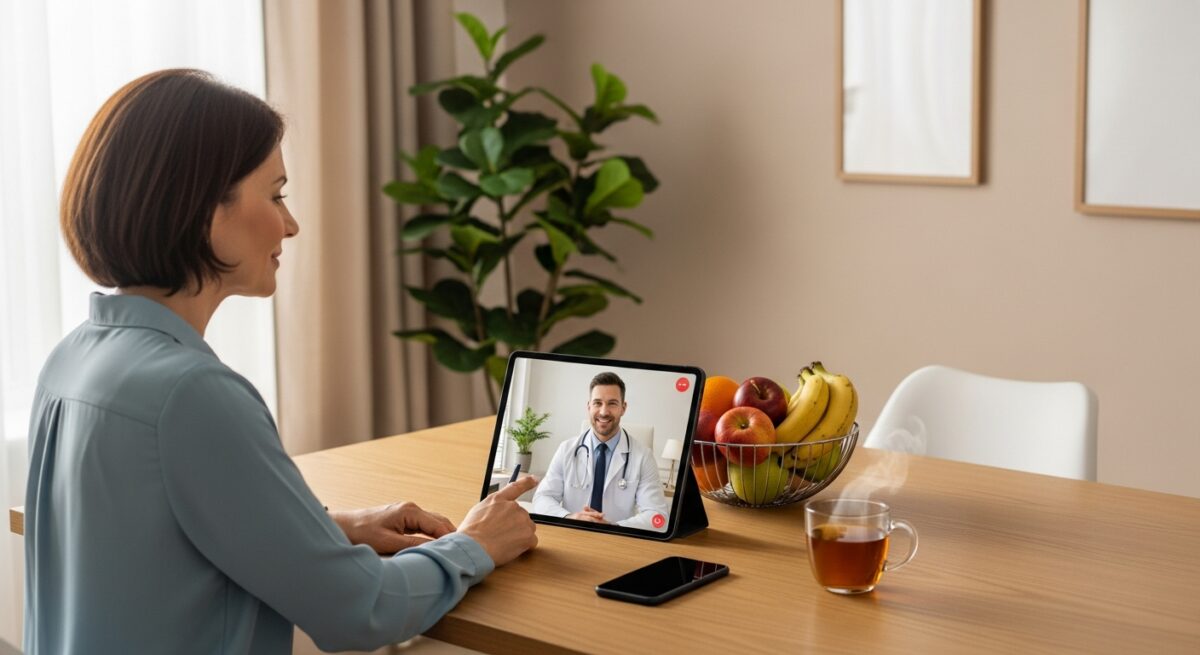
The way people access medical care has shifted dramatically in recent years. Instead of sitting in a crowded waiting room, many patients now connect with a licensed provider from their living room, office, or even their car. This shift is powered by telemedicine services, and understanding how online doctor consultations work is the first step toward taking control of your healthcare. For anyone feeling unsure about the process, the reality is far simpler than most expect. A telemedicine visit removes barriers like travel time, long waits, and exposure to other illnesses. It puts a qualified physician within reach using nothing more than a smartphone, tablet, or computer. This article breaks down every stage of the process, from scheduling your appointment to receiving follow-up care, so you know exactly what to expect.
What Is a Telemedicine Visit?
A telemedicine visit is a real-time medical consultation that happens over a secure video connection, phone call, or sometimes through a messaging platform. It is not a recorded video or a chatbot. It is a live interaction with a licensed healthcare professional who can assess your symptoms, answer your questions, and prescribe treatment when appropriate. Telehealth services cover a wide range of conditions, including cold and flu symptoms, skin rashes, allergies, urinary tract infections, and even ongoing management of chronic conditions like hypertension or diabetes.
The key difference between a telemedicine visit and an in-person appointment is the setting. Instead of a physical exam room, the consultation takes place in a virtual exam room. The provider uses their clinical judgment, your reported symptoms, and visual cues from the video to make a diagnosis. For many common health issues, this approach is just as effective as an office visit. In fact, telemedicine often leads to faster treatment because you can get an appointment the same day rather than waiting days or weeks for a slot.
For platforms like Doctors Home, the goal is to make healthcare as seamless as possible. The service focuses on conditions that are well-suited for virtual care, such as herpes virus treatment and eye allergies, while also offering at-home testing kits for patients who need lab work without leaving home. This integration of consultation and diagnostic support creates a comprehensive care experience.
Step-by-Step: How an Online Doctor Consultation Works
The process of using telemedicine services is designed to be straightforward. Most platforms follow a similar flow, though specific steps can vary slightly. Below is a typical sequence you can expect when booking an online doctor consultation.
1. Create an Account and Provide Medical History
Before your first visit, you will need to register on the telemedicine platform. This usually involves creating a secure account with your name, date of birth, contact information, and insurance details if applicable. You will also be asked to fill out a medical history form. This form covers current medications, allergies, past surgeries, and any chronic conditions you manage. Providing accurate information here helps the provider make a safe and informed decision during your consultation.
Some platforms also ask about your pharmacy preference. If a prescription is needed, having this information ready speeds up the process. Always double-check that the platform uses HIPAA-compliant encryption to protect your personal health data.
2. Select Your Reason for the Visit
Once your account is set up, you will choose the reason for your telemedicine visit. Common options include cold and flu, sinus infection, skin issues, urinary symptoms, allergy relief, and prescription refills. Some platforms, like Doctors Home, specialize in specific conditions such as herpes virus and eye allergies. Selecting the correct category helps route you to a provider with the right expertise.
You may also be asked a few screening questions about your symptoms. For example, if you report chest pain or severe shortness of breath, the system might recommend an in-person emergency evaluation instead of a virtual visit. This triage step is a safety measure to ensure you receive the appropriate level of care.
3. Choose a Time and Pay for the Visit
After selecting your reason for the visit, you will see available appointment slots. Many telemedicine services offer same-day or next-day appointments, and some even allow walk-in style video queues. Once you pick a time, you will be asked to pay for the consultation. Payment options typically include credit card, debit card, or health savings account (HSA) funds. Many platforms also accept insurance, and the cost is often lower than a traditional urgent care or emergency room visit.
If you are uninsured, the out-of-pocket cost for a telemedicine visit is usually transparent and listed upfront. This eliminates the surprise bills that sometimes come with in-person care. For example, a standard consultation might cost between $49 and $79, depending on the provider and the complexity of the issue.
4. Connect With Your Provider
At the scheduled time, you will log into the platform and join a secure video call. The provider will introduce themselves, verify your identity, and review the information you submitted. They will then ask detailed questions about your symptoms: when they started, how severe they are, what makes them better or worse, and whether you have tried any treatments already.
The provider may also ask you to use your camera in a specific way. For a skin rash, they might ask you to hold the camera close to the affected area. For a sore throat, they might ask you to open your mouth and say “ahh” so they can see your tonsils. These visual cues help the provider make a diagnosis without a physical exam. The entire video call typically lasts between 10 and 20 minutes.
5. Receive a Diagnosis and Treatment Plan
Based on your conversation and any visual observations, the provider will give you a diagnosis. If a prescription is appropriate, they will send it electronically to your chosen pharmacy. You can usually pick up the medication within an hour or two. For conditions that require ongoing management, the provider may schedule a follow-up telemedicine visit to check your progress.
If the provider determines that your condition needs in-person care, such as a lab test or imaging, they will refer you to a local facility. Some telemedicine platforms, including Doctors Home, bridge this gap by offering at-home testing kits. You can collect a sample yourself and mail it to a lab, then review the results with the same provider during a follow-up visit.
What Conditions Are Commonly Treated via Telemedicine?
Telemedicine services are not a replacement for all types of medical care, but they cover a surprising number of common conditions. Understanding which issues are appropriate for a virtual visit helps you choose the right care setting.
- Respiratory infections: Cold, flu, sinusitis, bronchitis, and mild COVID-19 symptoms can often be diagnosed and treated virtually.
- Allergies: Seasonal allergies, eye allergies, and allergic rhinitis are well-suited for telemedicine consultations.
- Skin conditions: Rashes, acne, eczema, poison ivy, and minor infections can be assessed visually through video.
- Urinary tract infections: Uncomplicated UTIs in women are commonly treated via telemedicine after a symptom review.
- Chronic condition management: Hypertension, diabetes, asthma, and thyroid disorders can be monitored through regular virtual check-ins.
It is important to note that telemedicine is not appropriate for emergencies. If you are experiencing chest pain, severe bleeding, difficulty breathing, or signs of a stroke, call 911 or go to the nearest emergency room immediately. Telemedicine is designed for non-emergency care and routine follow-ups.
For patients managing chronic conditions, telemedicine offers a convenient way to stay on top of their health without disrupting their daily routine. Regular check-ins with the same provider build continuity of care, which leads to better health outcomes over time.
Technology Requirements for a Telemedicine Visit
One of the biggest concerns people have about telemedicine services is whether they have the right technology to participate. The good news is that the requirements are minimal. You need a device with a camera and microphone, such as a smartphone, tablet, laptop, or desktop computer. You also need a stable internet connection. A Wi-Fi connection is preferred, but cellular data works as long as the signal is strong enough for video.
Most telemedicine platforms are web-based, meaning you do not need to download a separate app. You simply click a link in your confirmation email or text message to join the video call. Some platforms do offer dedicated apps for iOS and Android, which can provide a smoother experience. Regardless of the method, the connection is encrypted to protect your privacy.
Before your appointment, test your camera and microphone to make sure they work. Find a quiet, well-lit room where you will not be interrupted. Good lighting is especially important if you are consulting for a skin condition, as the provider needs to see the affected area clearly. If you have any technical difficulties during the call, the platform usually has a support team you can contact for help.
Cost and Insurance Coverage for Telehealth Services
Cost is a major factor when choosing between an in-person visit and a telemedicine visit. In many cases, telehealth services are more affordable. A virtual urgent care visit often costs between $50 and $100, compared to $150 to $200 for an in-person urgent care visit and much more for an emergency room trip. For patients with insurance, many plans now cover telemedicine visits at the same rate as in-person visits, especially after the widespread adoption of virtual care during the pandemic.
Medicare and Medicaid also cover a broad range of telehealth services, though coverage details vary by state. Private insurers like Blue Cross Blue Shield, UnitedHealthcare, and Cigna typically include telemedicine in their plans. It is always a good idea to check with your insurance provider before booking a visit to confirm coverage and any copay amounts.
For uninsured patients, telemedicine offers a transparent and affordable alternative. Platforms like Doctors Home provide clear pricing upfront, so you know exactly what you will pay before you start the consultation. This transparency helps patients avoid the financial stress that often accompanies traditional medical visits.
The Role of At-Home Testing in Telemedicine
One limitation of a standard telemedicine visit is the inability to perform lab tests on the spot. However, many platforms are closing this gap by offering at-home testing kits. After your virtual consultation, the provider may order a test for conditions like strep throat, urinary tract infections, thyroid function, or vitamin deficiencies. The kit is shipped to your home, you collect the sample (such as a throat swab or finger prick), and you mail it back to the lab in a pre-paid envelope.
Results are typically available within a few days, and the provider reviews them during a follow-up telemedicine visit. This hybrid model combines the convenience of virtual care with the diagnostic accuracy of lab testing. For patients who live far from a lab or have difficulty traveling, this is a game-changer. It also reduces the number of unnecessary in-person visits, freeing up clinic time for patients who truly need hands-on care.
Doctors Home integrates this approach by offering access to at-home testing kits directly through their platform. If you are in need of a virtual consultation and possible lab work, you can explore their virtual doctor consultations online in Concord, California to see how this service works in your area.
Frequently Asked Questions
Can I get a prescription during a telemedicine visit?
Yes, if the provider determines that a prescription is medically necessary and appropriate for your condition. Common prescriptions issued during telemedicine visits include antibiotics for infections, antiviral medications for herpes outbreaks, antihistamines for allergies, and refills for chronic conditions. Controlled substances are generally not prescribed during a first-time virtual visit due to regulatory restrictions.
Do I need insurance to use telemedicine services?
No, you do not need insurance. Most telemedicine platforms accept both insured and uninsured patients. If you are uninsured, you pay a flat fee for the consultation, which is often lower than the cost of an in-person visit. If you have insurance, the platform will verify your coverage and bill your plan accordingly.
Is my personal health information safe during a telemedicine visit?
Yes, reputable telemedicine platforms use HIPAA-compliant encryption to protect your data. This means your video call, medical history, and payment information are secure. Always verify that the platform you use has clear privacy policies and encryption protocols in place.
What happens if the provider cannot diagnose me virtually?
If the provider determines that your condition requires an in-person exam, lab test, or imaging, they will refer you to a local clinic or urgent care center. Some platforms, like Doctors Home, also offer at-home testing kits to help bridge the gap. In these cases, the virtual visit still saves you time by providing a professional assessment and guidance on the next steps.
Can I see the same provider for follow-up visits?
Many telemedicine platforms allow you to request the same provider for follow-up visits. This is especially helpful for chronic condition management, where continuity of care is important. When you schedule your next visit, check the platform’s options for selecting a specific provider.
Making the Most of Your Telemedicine Experience
Telemedicine services are not just a temporary convenience. They represent a fundamental shift in how healthcare is delivered. By understanding how online doctor consultations work, you can make informed decisions about when to use virtual care and how to prepare for each visit. The key is to treat the appointment with the same seriousness as an in-person visit. Write down your symptoms, list your current medications, and have your insurance information ready. A little preparation goes a long way toward a successful consultation.
As technology continues to improve and more providers embrace virtual care, the quality and scope of telemedicine will only expand. Whether you are managing a chronic condition, treating a sudden illness, or simply seeking a second opinion, telemedicine puts expert medical advice within reach. The next time you feel unwell, consider skipping the waiting room and trying a telemedicine visit instead. It might just be the most convenient healthcare decision you make all year.
About the Author: David Reynolds





Sign up for our newsletter and Save 20% on Test Kits
"*" indicates required fields