

Store and Forward Telehealth: How Asynchronous Telemedicine Works
Store and Forward Telehealth: How Asynchronous Telemedicine Works
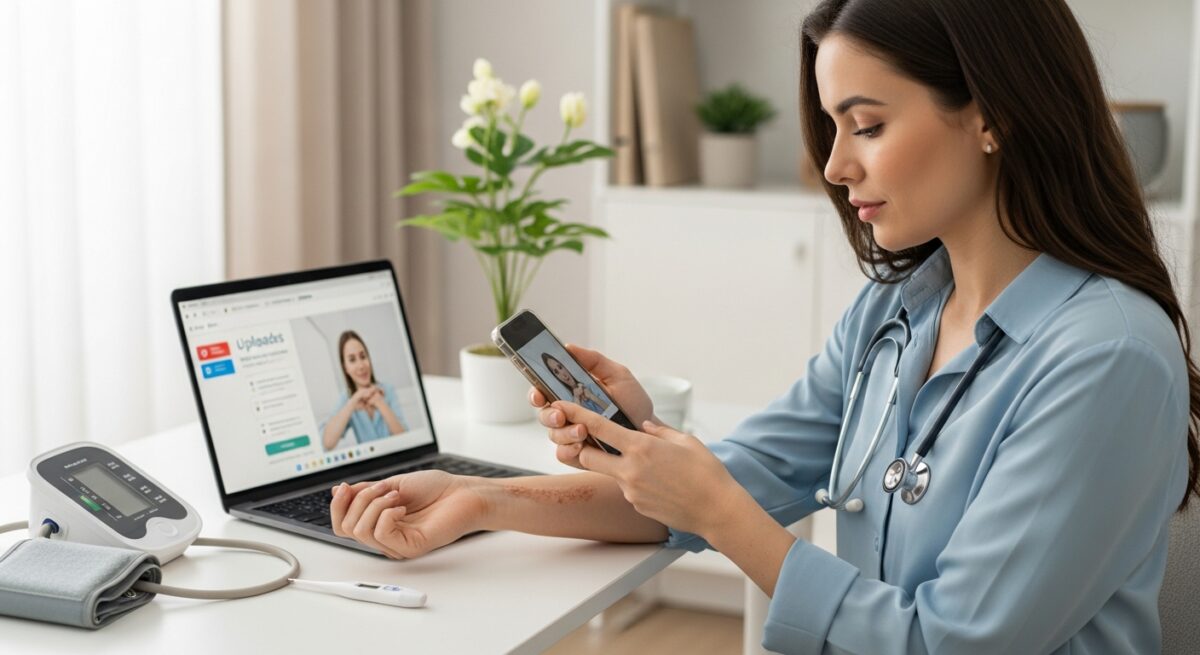
Imagine sending your doctor a photo of a skin rash, a detailed description of your symptoms, and your recent vital signs, all at 10 PM from your living room. Instead of waiting for a live video call, you receive a comprehensive diagnosis and treatment plan from a specialist the next morning. This is the power of asynchronous telemedicine, a model that is quietly revolutionizing patient access and clinical efficiency by decoupling care from the constraints of real-time interaction. Often called store and forward telehealth, this approach allows medical data to be collected, securely transmitted, and reviewed by a healthcare provider at a later, more convenient time. It is not merely a slower version of a video visit, it is a fundamentally different clinical workflow designed for conditions and consultations where an immediate, synchronous conversation is not necessary for high-quality care. By understanding how store and forward telehealth works, patients and providers can unlock a more flexible, accessible, and often more affordable pathway to medical expertise.
The Core Mechanics of Store and Forward Telehealth
At its heart, asynchronous telemedicine is a digital handoff. It separates the data collection phase from the clinical review and decision-making phase. This process typically follows a structured, multi-step pathway that ensures security, clarity, and clinical efficacy. The model relies on the principle that for many clinical scenarios, the information itself (the history, the image, the lab result) is the critical component, not the live discussion about it. A provider can often make an accurate assessment based on high-fidelity data alone, much like a radiologist interprets an X-ray or a pathologist examines a biopsy slide without the patient present. This workflow is particularly powerful in our digitally connected world, where patients can capture high-quality images and data using everyday technology.
The process begins with patient-initiated data capture. Using a secure online portal or mobile application, the patient gathers and submits the required clinical information. This submission package is the cornerstone of the encounter. It is then securely transmitted and “stored” on a HIPAA-compliant platform, awaiting clinician access. The provider, who could be a primary care physician, a dermatologist, or a specialist hundreds of miles away, then accesses this stored data at a time that fits their schedule. They review the information, analyze the findings, and formulate a clinical decision. Finally, they “forward” their assessment, which may include a diagnosis, treatment plan, prescription, request for additional information, or recommendation for a different level of care, back to the patient through the same secure channel. This entire cycle can happen within hours, often providing faster access to specialty opinion than traditional referral pathways.
Key Clinical Applications and Use Cases
Asynchronous telemedicine is not suitable for emergencies or acute, life-threatening conditions requiring immediate intervention. Its strength lies in managing non-urgent, visually diagnosable, or data-rich conditions. The most established and successful application is in teledermatology. A patient can photograph a mole, rash, or skin lesion and submit it along with a history. A dermatologist can review the image and patient history to assess for concerns like potential skin cancer, psoriasis, or acne, and recommend treatment or schedule an in-person biopsy if needed. This dramatically reduces wait times for dermatology consultations, which are notoriously long in many regions.
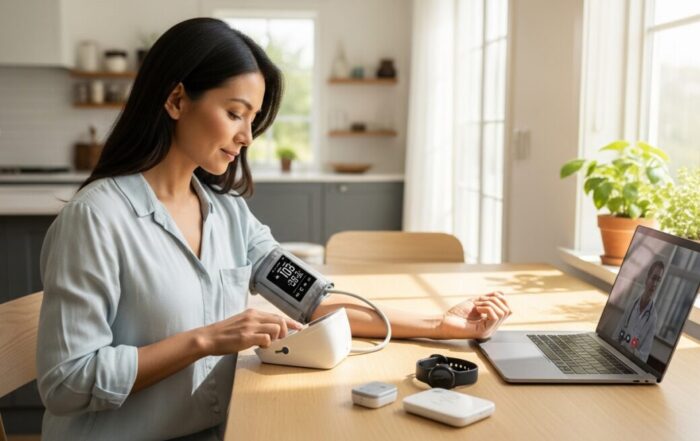
Beyond dermatology, store and forward is transforming other specialties. In ophthalmology, images of the eye or visual field tests can be reviewed. In radiology, the entire field is built on an asynchronous model (though not always labeled “telehealth”). Primary care and chronic disease management also benefit significantly. Patients managing conditions like hypertension or diabetes can upload readings from home blood pressure cuffs or glucose monitors for their care team to review between visits. This facilitates proactive adjustments and improves medication adherence. Furthermore, platforms integrating at-home testing kits create a powerful synergy. A patient can order a test, collect a sample at home, mail it to a lab, and then have the results reviewed asynchronously by a provider who can explain the findings and recommend next steps, all without setting foot in a clinic. This model is also effective for follow-up consultations, second opinions, and reviewing routine lab results where a lengthy synchronous conversation is unnecessary.
Advantages for Patients and the Healthcare System
The benefits of asynchronous telemedicine extend to every stakeholder. For patients, the most pronounced advantage is unparalleled convenience and accessibility. Care becomes location and time-independent. Individuals in rural areas gain access to specialists without traveling long distances. Those with demanding work schedules, transportation challenges, or caregiving responsibilities can engage with healthcare on their own time. This model also promotes more thoughtful communication, as patients can take time to compile a thorough history and list of questions without the pressure of a live visit clock.
For healthcare providers and the system at large, asynchronous telemedicine introduces remarkable efficiency. It reduces no-show rates for follow-ups, minimizes disruptions to a clinician’s daily schedule, and allows for better time management. Providers can batch-review cases during dedicated periods, leading to more focused clinical work. This efficiency often translates to lower costs for both patients and payers, as asynchronous consultations typically require fewer resources than synchronous video visits or in-person appointments. By diverting appropriate cases to this channel, clinics can free up synchronous visit slots for patients who truly need real-time, interactive care, thereby optimizing the entire clinical workflow and improving healthcare access overall.
Implementing Asynchronous Care: A Step-by-Step Framework
For patients and providers new to this model, understanding the typical journey demystifies the process. While platforms may vary, a standard framework for a store and forward encounter includes several key stages. First, the patient identifies a suitable condition, one that is non-urgent and can be evaluated through data or images. They then register and provide consent through a secure, compliant telemedicine platform. The core of the process is the comprehensive data submission. This is not a casual text message, it is a structured clinical submission.
The following elements are commonly required for a successful asynchronous consultation:
- Detailed Medical History: A clear description of the chief complaint, duration of symptoms, previous treatments tried, and relevant personal or family medical history.
- High-Quality Visual Data: For dermatology or wound care, this means well-lit, in-focus photos from multiple angles, sometimes with a ruler in the frame for scale.
- Vital Signs or Device Data: Uploaded files or manually entered readings from home monitoring devices like blood pressure cuffs, glucose meters, or pulse oximeters.
- Relevant Prior Records: If applicable, the patient may upload previous lab results or specialist notes to provide context.
- Specific Patient Questions: A list of concerns or questions for the reviewing provider to address directly in their response.
After submission, the platform’s clinical team triages the case to the appropriate provider type. The provider conducts their review during a scheduled work session, formulating a response that addresses diagnosis, treatment options (which may include a prescription), recommendations for further testing, or advice for an in-person evaluation. This response is delivered securely to the patient, who can then review it, ask clarifying follow-up questions asynchronously, or proceed with the recommended plan. This structured approach ensures that the lack of real-time interaction does not compromise the depth or quality of the clinical exchange. For patients exploring various telehealth applications, understanding these structured steps in asynchronous care can be complemented by learning about other models, such as the interactive approaches used in telehealth for weight loss programs and their specific benefits.
Addressing Limitations and Ensuring Quality
While powerful, store and forward telehealth has inherent limitations that must be acknowledged to ensure safe and effective use. The most significant limitation is the absence of a physical exam. A provider cannot palpate a lump, listen to a heart sound, or test a reflex through a photo. This makes the model unsuitable for complaints involving abdominal pain, chest pain, respiratory distress, or neurological deficits. The quality of the interaction is entirely dependent on the quality and completeness of the data submitted by the patient. Blurry photos or vague histories lead to suboptimal care. There is also a potential for delayed communication if a case requires immediate escalation, though robust platforms have protocols for identifying and redirecting urgent submissions.
To mitigate these risks, reputable platforms establish clear clinical guidelines. They define which conditions are appropriate for asynchronous evaluation and which are not. They provide patients with detailed instructions, even templates, for capturing high-quality images and providing thorough histories. They implement safety netting protocols, where providers explicitly state warning signs that should prompt the patient to seek immediate in-person care. Furthermore, the entire process is governed by the same standards of care, licensure, and HIPAA compliance as traditional medicine. The medical record of the encounter, including all submitted data and the provider’s response, is maintained securely, ensuring continuity of care. By setting appropriate boundaries and maintaining high standards, asynchronous telemedicine becomes a reliable and valuable tool within a broader, integrated healthcare ecosystem.
Frequently Asked Questions About Asynchronous Telemedicine
Is asynchronous telemedicine covered by insurance?
Coverage is expanding rapidly but varies by insurer and plan. Many private insurers and Medicare (for specific services like teledermatology in rural areas) now provide reimbursement. Medicaid coverage differs by state. It is always advisable to check with your insurance provider or choose a telemedicine service that provides clear upfront pricing.
How long does it take to get a response?
Response times are not instantaneous but are typically defined by the service. Many platforms guarantee a response within 24 to 48 hours, though for non-urgent issues it can sometimes be longer. This is distinctly different from the real-time expectation of a video visit.
Can I get a prescription through store and forward telehealth?
Yes, if the provider, after reviewing your submitted information, determines that a prescription is medically appropriate and within their licensure and scope. Controlled substances typically have stricter regulations and are less likely to be prescribed via asynchronous means. Services like Doctors Home, for example, may utilize this model for appropriate condition-specific prescriptions after a thorough review of patient-submitted data and history.
What happens if the provider needs more information or can’t diagnose me?
A responsible provider will not guess. If the submitted information is insufficient for a diagnosis, they will respond with specific questions or requests for better images. They may also recommend a synchronous video visit or an in-person evaluation to gather the necessary clinical information safely.
Is my health data secure in an asynchronous platform?
Reputable platforms use encryption for data in transit and at rest, and are fully compliant with HIPAA regulations. You should verify a service’s privacy policy and security measures before submitting any personal health information.
Asynchronous telemedicine, through the store and forward model, represents a sophisticated evolution in digital healthcare. It moves beyond simply replicating the doctor’s visit online to creating a new, data-centered paradigm for care delivery. By leveraging technology to collect and transmit clinical information, it breaks down traditional barriers of time and geography, making specialist insight and routine care management more accessible than ever before. For patients, it offers a convenient, often lower-cost avenue for addressing specific health concerns. For providers and the healthcare system, it introduces powerful efficiencies that can alleviate strain and improve access. As with any tool, its success hinges on appropriate use, clear guidelines, and a commitment to quality. When deployed within its optimal scope, store and forward telehealth is not a substitute for traditional care, it is a vital, complementary channel that makes the entire healthcare ecosystem more responsive, resilient, and patient-centered.
About the Author: Olivia Bennett




Sign up for our newsletter and Save 20% on Test Kits
"*" indicates required fields