
Virtual Doctors Online: Complete Telehealth Guide
Virtual Doctors Online: Complete Telehealth Guide
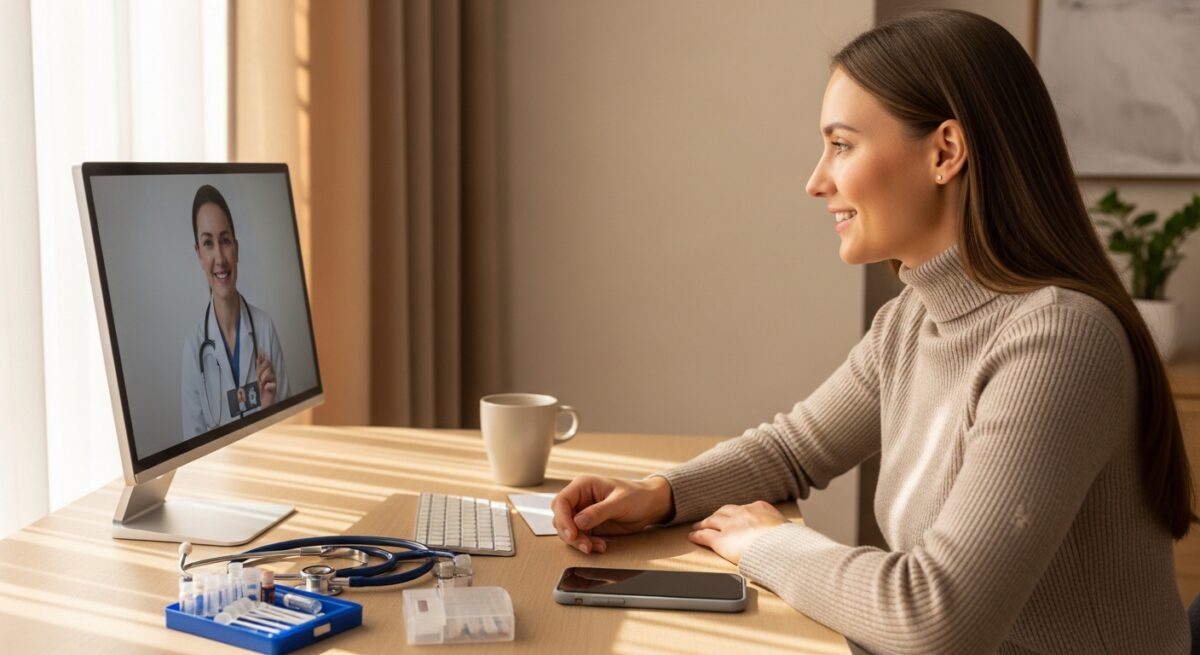
Telehealth has transformed how millions of Americans access medical care. Instead of sitting in a crowded waiting room, you can now speak with a licensed provider from your living room, office, or even while traveling. This Virtual Doctors Online Complete Telehealth Guide explains exactly how remote healthcare works, what conditions you can treat, and how to get the most out of your online visit. Whether you need a prescription refill, a discreet consultation for a sensitive condition, or a routine check-up, understanding the process helps you save time, money, and stress.
What Are Virtual Doctors and How Do They Work?
Virtual doctors are licensed physicians, nurse practitioners, and physician assistants who provide medical consultations through secure video calls, phone calls, or online messaging. They can diagnose many common conditions, prescribe medications, and order lab tests without requiring an in-person visit. The process is straightforward: you fill out a health questionnaire, a provider reviews your information, and you receive a treatment plan or prescription if appropriate. Many platforms, like DoctorsHome, also offer at-home testing kits that let you collect samples and receive results without leaving your home.
One of the biggest advantages of online doctors is the elimination of geographic barriers. You can connect with a provider who is licensed in your state even if they are located hundreds of miles away. This is especially valuable for people in rural areas or those with limited transportation options. Additionally, virtual visits often have shorter wait times than traditional clinics, and many platforms allow you to submit your intake form at any time of day or night.
It is important to note that virtual doctors are not a replacement for emergency care. If you are experiencing chest pain, severe bleeding, difficulty breathing, or other life-threatening symptoms, you should call 911 or go to the nearest emergency room. However, for non-emergency conditions, online consultations offer a safe, effective, and convenient alternative. In our guide on virtual doctor consultations in Killeen, Texas online, we explain how local patients can access these services.
Conditions Treated Through Telehealth
Telehealth platforms cover a wide range of medical issues. The most common conditions treated online include respiratory infections like colds and sinusitis, urinary tract infections, skin rashes, allergies, and minor injuries. Many platforms also specialize in managing chronic conditions such as high blood pressure, diabetes, and thyroid disorders. For patients who need ongoing medication refills, virtual follow-ups can be scheduled regularly without the hassle of in-person visits.
DoctorsHome focuses on two specific areas that benefit greatly from telehealth: herpes virus treatment and eye allergy management. For herpes simplex virus (HSV) infections, including oral, genital, and zoster (shingles), prescription antiviral medications can reduce outbreaks and transmission risk. Patients can discuss symptoms, receive a prescription, and have medication delivered discreetly within two to five business days. Similarly, eye allergies affect millions of people, and online doctors can recommend or prescribe leading allergy eye drops after reviewing your symptoms and medical history.
Beyond these conditions, at-home testing kits have expanded what telehealth can do. You can order tests for COVID-19, male hormone levels, female fertility markers, STDs/STIs, hepatitis B and C, vitamin deficiencies (B12, D, folate), cortisol, cholesterol, kidney function, celiac disease, iron levels, omega-3, thyroid function, liver function, colon cancer screening, Lyme disease, C-reactive protein, and diabetes. After ordering a kit, you collect a sample at home, mail it to a lab, and receive results through a secure online portal. Your doctor can then discuss the results and recommend next steps.
How to Prepare for Your Virtual Doctor Visit
Preparation is key to a successful online consultation. Before your appointment, take a few minutes to gather relevant information. This includes your current symptoms, how long they have lasted, any medications you are taking, and your medical history. If you have a thermometer, blood pressure cuff, or glucose monitor, take readings beforehand so you can share them with the doctor.
You should also ensure your technology is working properly. Test your internet connection, camera, and microphone. Choose a quiet, private space where you will not be interrupted. Good lighting is important so the doctor can see you clearly. If you are using a smartphone, prop it up on a stable surface rather than holding it.
Here are some key steps to follow before your virtual visit:
- Write down your top three concerns or questions so you do not forget them during the call.
- Have your insurance card and a form of ID ready if the platform requires verification.
- Make a list of all medications, including over-the-counter drugs and supplements.
- Note any allergies or adverse reactions you have had to medications in the past.
- If you are seeking a prescription refill, confirm the exact dosage and pharmacy location.
After your visit, the doctor will provide a summary and any prescriptions or lab orders. Most platforms send this information via email or through a patient portal. If you have follow-up questions, many services allow you to message your provider for a limited time after the consultation.
Benefits of Using Online Doctors for Common Health Needs
The convenience of online doctors is their most obvious benefit, but there are several other advantages worth considering. For sensitive health issues like STDs or herpes, telehealth offers a level of privacy that traditional clinics cannot match. You avoid the embarrassment of sitting in a waiting room where you might run into someone you know. Instead, you complete the entire process from the privacy of your home, and any medications or test kits arrive in discreet packaging with no signature required.
Cost is another major factor. Many virtual visits are more affordable than in-person appointments, especially for patients without insurance. Some platforms offer flat-rate consultations that include the cost of the prescription or test kit. Additionally, you save money on gas, parking, and lost wages from taking time off work. For patients with high-deductible health plans, telehealth can be a budget-friendly alternative to urgent care or emergency rooms.
Accessibility is a third critical benefit. People with disabilities, chronic illnesses, or compromised immune systems often find it difficult to travel to a clinic. Virtual doctors remove that barrier. Similarly, parents with young children, caregivers for elderly relatives, and individuals with demanding work schedules can fit a medical consultation into their day more easily than a traditional appointment.
For those seeking financial flexibility, some telehealth platforms offer affordable pricing and transparent billing. You can compare costs upfront and avoid surprise bills. If you need help managing healthcare expenses, resources like car loan refinancing can free up monthly cash flow for medical needs, but always prioritize your health first.
What to Expect After Your Online Consultation
After your virtual visit, the process varies depending on the platform and the outcome. If the doctor prescribes medication, it will be sent electronically to a pharmacy of your choice. Many telehealth services, including DoctorsHome, offer direct pharmacy delivery. In that case, your prescription is shipped to your home in discreet packaging within two to five business days. You do not need to visit a pharmacy or sign for the package.
If the doctor orders lab work, you may receive an at-home testing kit or a lab requisition form. At-home kits are simple to use and come with clear instructions. You collect the sample, return it using the prepaid shipping label, and access your results online within a few days. If a blood draw is needed, some platforms can arrange for a mobile phlebotomist to visit your home.
Follow-up care is an important part of the telehealth experience. Your doctor may schedule a virtual check-in after you have started a new medication or received test results. This ensures the treatment is working and allows for adjustments if needed. Always complete the full course of any prescribed medication and report any side effects to your provider promptly.
It is also wise to keep a copy of your consultation summary for your personal records. This document includes the diagnosis, treatment plan, and any instructions from the doctor. Sharing this information with your primary care physician helps maintain continuity of care.
Frequently Asked Questions
Is a virtual doctor visit as good as an in-person visit?
For many common conditions, yes. Studies show that telehealth consultations are comparable to in-person visits for diagnosing and treating issues like sinus infections, urinary tract infections, and skin conditions. However, some problems require physical exams or diagnostic tests that cannot be done remotely. Your doctor will let you know if you need to visit a clinic or emergency room.
Can I get a prescription without seeing a doctor in person?
Yes. Licensed online doctors can prescribe medications for many conditions after a virtual consultation. This includes antivirals for herpes, antibiotics for infections, and allergy medications. Controlled substances may have additional restrictions depending on state laws.
How much does an online doctor visit cost?
Costs vary by platform and insurance coverage. Many telehealth services charge between $30 and $100 per visit. Some accept insurance, while others offer flat-rate pricing. At-home testing kits are priced separately and may be covered by insurance or health savings accounts.
What if I need a physical exam?
Your doctor will guide you through self-examination techniques when possible, such as checking your throat with a camera or feeling for swollen glands. If a full physical is necessary, the doctor will refer you to a local clinic or recommend an in-person visit.
Are my medical records kept private?
Yes. Reputable telehealth platforms comply with HIPAA regulations and use encrypted communication to protect your personal health information. Always review the platform’s privacy policy before sharing sensitive data.
Getting Started with Telehealth Today
Virtual doctors have made healthcare more accessible than ever before. Whether you need a quick consultation for a cold, a discreet prescription for a chronic condition, or an at-home test kit to monitor your health, the process is simple and secure. You can complete an online form in minutes, connect with a licensed provider, and receive treatment without leaving your home. This Virtual Doctors Online Complete Telehealth Guide has covered the key steps: understanding how online visits work, preparing for your appointment, and knowing what to expect afterward. The next step is up to you. If you have a health concern that does not require emergency care, consider scheduling a virtual consultation today. It could save you time, money, and unnecessary stress while putting you back in control of your health.
About the Author: Sarah Thompson





Sign up for our newsletter and Save 20% on Test Kits
"*" indicates required fields