
Navigating Flu Season: The Benefits of Remote Consultations
Navigating Flu Season: The Benefits of Remote Consultations
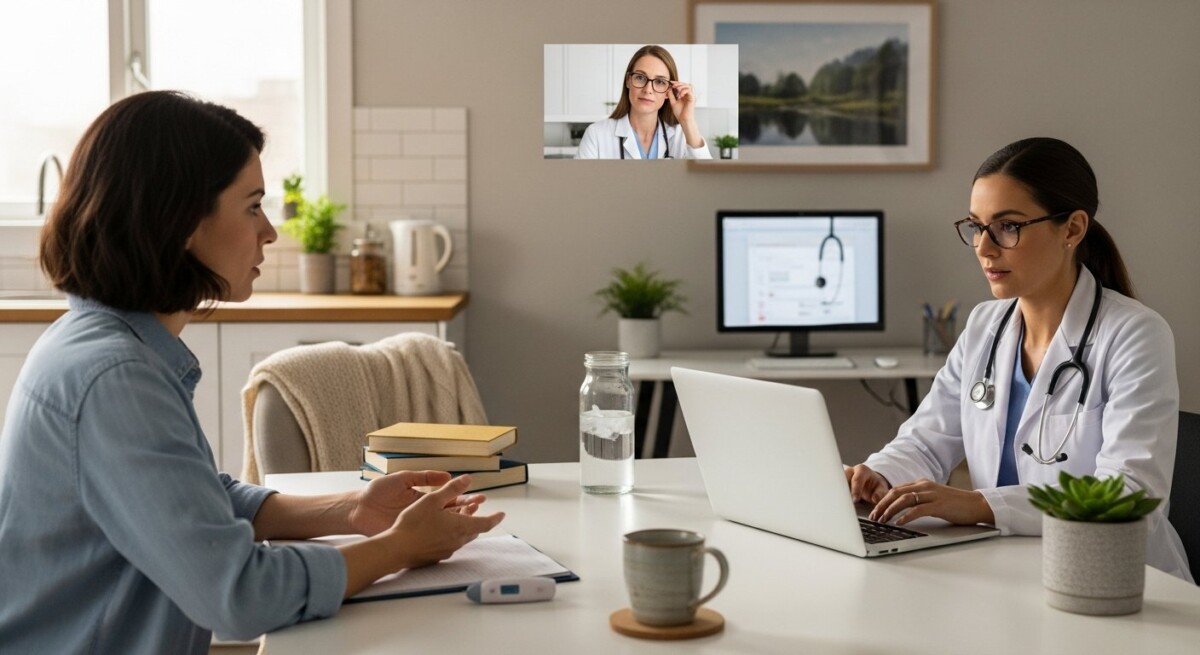
As flu season approaches, the familiar dread of crowded waiting rooms and long waits for a brief appointment can feel almost as bad as the symptoms themselves. Fortunately, the landscape of healthcare delivery has transformed, offering a practical and effective alternative. Remote consultations for flu, also known as telehealth or virtual visits, provide a streamlined path to diagnosis, treatment, and peace of mind from the comfort of your home. This model of care is not just a convenient stopgap, it is a fundamental shift in how we manage acute, contagious illnesses, balancing patient comfort with clinical efficacy and public health responsibility.
Understanding the Remote Flu Consultation Process
A remote consultation for influenza is a structured medical appointment conducted via secure video, phone, or online messaging with a licensed healthcare provider. The goal is identical to an in-person visit: to assess your symptoms, provide a diagnosis, and recommend a treatment plan. The process begins with scheduling an appointment through a platform’s website or app, often with same-day or next-day availability. You will typically complete a brief intake form detailing your symptoms, medical history, and current medications. During the consultation itself, the provider will ask targeted questions about your symptom onset, severity, and specific characteristics, such as fever, body aches, cough, and fatigue. They may ask you to describe your throat or take your temperature. Based on this clinical interview, they can often diagnose uncomplicated influenza or flu-like illness. If a prescription for antiviral medication like oseltamivir (Tamiflu) is appropriate and you meet the clinical criteria, it can be sent electronically to your pharmacy of choice. The provider will also offer guidance on symptom management, warning signs that require escalation of care, and when to follow up.
Key Advantages of Choosing a Virtual Visit for Flu
The benefits of opting for a remote consultation when experiencing flu symptoms are multifaceted, impacting individual health, public safety, and systemic efficiency. First and foremost is the reduction in exposure risk. By staying home, you avoid spreading your contagious virus to others in transit or in a medical facility, and you protect yourself from exposure to other pathogens in a waiting room full of sick individuals. This is a critical component of responsible public health practice. Convenience and accessibility are equally powerful advantages. You eliminate travel time, waiting room delays, and the physical discomfort of leaving your bed. This is especially valuable for individuals in rural areas, those with mobility challenges, or parents with sick children. Furthermore, virtual platforms often offer extended hours, making it easier to seek care outside traditional office times. From a healthcare system perspective, remote consultations help decongest urgent care clinics and emergency departments, reserving those resources for more severe cases. This efficient triage allows providers to focus their in-person capacity on patients who truly require hands-on examination or advanced diagnostics.
When a Remote Consultation is Clinically Appropriate
Remote consultations are highly effective for managing straightforward cases of seasonal influenza in otherwise healthy individuals. Providers are well-trained to conduct a thorough history, which is the cornerstone of flu diagnosis. Ideal candidates for a virtual visit are patients experiencing classic flu symptoms: sudden onset of fever, chills, muscle aches, headache, dry cough, sore throat, and fatigue. These consultations are perfect for determining if antiviral treatment is warranted, obtaining prescriptions for symptom relief medications, and receiving clear instructions for home care and monitoring. For many, understanding when a virtual visit is suitable versus when an in-person evaluation is necessary is key. Our resource on when to see an online doctor for a cold or flu outlines specific symptom thresholds and scenarios.
However, there are clear situations where an in-person evaluation is imperative. Remote consultations have limitations, as the provider cannot perform a physical exam such as listening to your lungs or checking your ears. You should seek immediate in-person care if you or a family member experience severe symptoms like difficulty breathing, chest pain, persistent dizziness, severe weakness, confusion, or a fever that does not improve with medication. Infants, the elderly, pregnant women, and individuals with compromised immune systems or chronic conditions like asthma or heart disease should also consult with a provider promptly to determine the best course of action, which may start with a remote consultation but could require further evaluation.
Preparing for Your Virtual Appointment
To ensure your remote consultation is as productive as possible, a small amount of preparation is helpful. Treat it with the same seriousness as an in-person doctor’s visit. Find a quiet, private, and well-lit space where you can talk without interruptions. Have a list of your current symptoms ready, including when they started and their severity. It is useful to note your temperature if you have taken it, and any over-the-counter medications you have tried. Have your pharmacy’s address and phone number available. Be prepared to discuss your relevant medical history, such as chronic conditions and medication allergies. Ensure your device (smartphone, tablet, or computer) is charged, connected to a reliable internet connection, and that you have tested the platform’s audio and video functions beforehand. This preparation allows the consultation time to be focused entirely on your clinical assessment.
Integrating At-Home Testing and Digital Tools
The remote care ecosystem is enhanced by the integration of digital health tools. Some telehealth platforms offer or partner with services that provide at-home testing kits. For influenza, while rapid at-home tests are less common than for other conditions, the integration of digital symptom checkers and temperature tracking apps can provide valuable data to share with your provider. The broader trend of telemedicine in the United States shows a move towards hybrid care models, where remote consultations are seamlessly connected with in-person services when needed, and digital tools facilitate continuous monitoring. This creates a more responsive and patient-centered care journey.
Frequently Asked Questions
Can I get a prescription for Tamiflu through a remote consultation? Yes, if the licensed healthcare provider determines it is medically appropriate based on your symptoms, duration of illness (typically within 48 hours of symptom onset for maximum efficacy), and health profile, they can electronically prescribe antiviral medications to your pharmacy.
Are remote consultations for flu covered by insurance? Coverage has expanded significantly. Many private insurers, Medicare, and Medicaid plans now cover telehealth visits. It is always advisable to check with your specific insurance provider to understand your benefits, copays, and any platform requirements.
What if the provider decides I need an in-person exam? A responsible telehealth provider will not hesitate to recommend an in-person visit if your symptoms suggest potential complications like pneumonia or require physical examination. They will provide clear guidance on where to go (e.g., urgent care, primary care, or ER) based on the severity of your symptoms.
Is a remote diagnosis of the flu reliable? For uncomplicated influenza in adults, a diagnosis based on a detailed history of classic symptoms during flu season is clinically reliable. The provider’s training is in differentiating flu from other conditions like the common cold, strep throat, or COVID-19 based on symptom patterns.
Can I use telehealth for my child’s flu symptoms? Many telehealth services offer pediatric consultations. However, age limits and policies vary by platform. For very young infants or children with concerning symptoms, an in-person evaluation is often the safest first step.
The evolution of remote consultations represents a mature, patient-first approach to managing seasonal illness. It empowers individuals to seek timely care without compounding the stress and contagion risk of a traditional clinic visit. By understanding when and how to use this service effectively, you can navigate flu season with greater confidence, comfort, and efficiency, contributing to your own recovery and the well-being of your community.
About the Author: Sarah Thompson




Sign up for our newsletter and Save 20% on Test Kits
"*" indicates required fields