
Mobile Wound Care Services for Post-Surgery Recovery at Home
Mobile Wound Care Services for Post-Surgery Recovery at Home
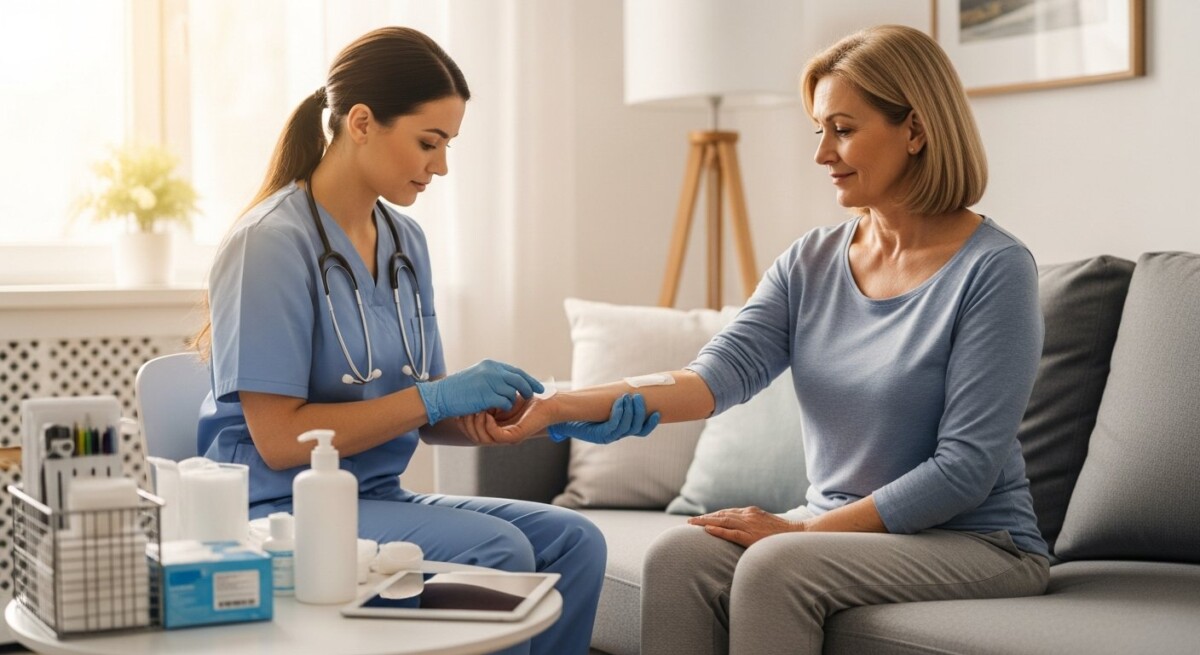
Recovering from surgery is a critical period where proper wound care can mean the difference between a smooth healing process and a complicated, stressful ordeal. For many patients, the most daunting part isn’t the procedure itself, but the journey home. Navigating dressing changes, monitoring for infection, and managing pain without immediate professional support can be overwhelming. This is where mobile wound care services for post-surgery patients transform the recovery landscape. By bringing specialized nursing care directly to the patient’s home, these services bridge a crucial gap in post-operative care, offering clinical expertise, convenience, and peace of mind that supports optimal healing and reduces the risk of readmission.
The Critical Role of Specialized Wound Care After Surgery
Post-surgical wounds are not simple cuts. They are controlled injuries that require meticulous attention to heal properly. The body’s healing process is complex, progressing through hemostasis, inflammation, proliferation, and remodeling phases. Each phase has specific needs and potential pitfalls. Without proper care, patients face significant risks, including surgical site infections (SSIs), dehiscence (reopening of the wound), hematoma, and seroma formation. These complications are not merely setbacks, they are serious medical events that can lead to extended antibiotic use, emergency room visits, additional surgeries, and prolonged recovery times. The goal of post-operative wound care is to create an optimal environment for healing, protect the site from contamination, manage exudate (drainage), and monitor for the earliest signs of trouble. This requires a level of skill and knowledge that goes beyond basic first aid, a level that mobile wound care nurses are specifically trained to provide.
What Are Mobile Wound Care Services?
Mobile wound care is a specialized branch of home healthcare where licensed medical professionals, typically registered nurses (RNs) or nurse practitioners (NPs) with wound care certifications, travel to a patient’s residence to provide assessment, treatment, and education. This model is distinctly patient-centered, removing the physical and logistical barriers that often prevent individuals from receiving consistent, high-quality follow-up care. For a post-surgery patient, this means a qualified nurse comes to them, whether they live in a private house, an apartment, or a senior living facility. The service is comprehensive, encompassing everything from the initial assessment of the surgical site to advanced dressing techniques and detailed reporting back to the surgeon. It is a vital component of continuity of care, ensuring the surgical team’s discharge instructions are executed correctly and effectively in the home environment.
Key Benefits of In-Home Wound Care for Surgical Recovery
The advantages of opting for mobile wound care services extend far beyond simple convenience. They directly impact clinical outcomes, patient well-being, and overall healthcare system efficiency. One of the most significant benefits is the reduction in infection risk. Each trip to a clinic or doctor’s office exposes a healing wound to new environments and potential pathogens. Receiving care at home minimizes this exposure dramatically. Furthermore, mobile services eliminate the physical strain and pain associated with travel post-surgery. A patient recovering from abdominal or orthopedic surgery should not be navigating car rides, clinic waiting rooms, and long periods of sitting or standing. Home care allows them to remain in a comfortable, restful state, which is itself conducive to healing.
From a clinical perspective, the one-on-one, uninterrupted time with a nurse allows for a more thorough assessment. The nurse can observe the patient in their own environment, assess their mobility, nutrition, and support systems, and provide truly personalized education. This holistic view is often missed in a busy clinic setting. The consistency of care is another major benefit. Patients see the same nurse or a small team, which builds trust and allows the caregiver to notice subtle changes in the wound’s condition from visit to visit. This continuity is essential for early detection of complications. Finally, the psychological impact cannot be overstated. Recovery can be an anxious time. Having a professional regularly check the wound, answer questions, and provide reassurance significantly reduces patient and family anxiety, leading to a more positive recovery experience. This comprehensive support is a cornerstone of modern patient-centered care, much like the principles outlined when choosing the best home healthcare services for long-term needs.
Services Provided by Mobile Wound Care Nurses
The scope of services offered by a mobile wound care team is extensive and tailored to the specific type of surgery and the surgeon’s post-operative plan. A typical visit involves a structured process designed to ensure thorough care and documentation.
First, the nurse conducts a comprehensive assessment. This includes evaluating the patient’s vital signs, pain level, and overall well-being. The wound itself is examined for size, depth, color, presence of granulation tissue, and signs of infection like redness, warmth, swelling, or purulent drainage. The periwound skin (the skin around the wound) is also assessed for maceration or breakdown. Based on this assessment, the nurse performs skilled nursing interventions. This most commonly involves sterile dressing changes using advanced wound care products such as hydrocolloids, foams, alginates, or antimicrobial dressings, selected based on the wound’s characteristics. The nurse may also manage surgical drains, empty drain reservoirs, and monitor output. Debridement, the removal of non-viable tissue, may be performed if necessary to promote healing.
Perhaps one of the most valuable aspects is patient and caregiver education. The nurse takes time to explain the healing process, demonstrate proper techniques for any care that will be done between visits, and review signs and symptoms that require immediate medical attention. Finally, the nurse documents all findings and interventions in a detailed report that is communicated to the patient’s surgeon or primary care physician, ensuring the entire care team remains informed. This closed-loop communication is critical for coordinated care.
Who Is an Ideal Candidate for Mobile Wound Care?
While many post-surgery patients can benefit, mobile wound care services are particularly crucial for specific populations. Identifying these candidates early in the discharge planning process can prevent complications.
- Patients with Limited Mobility: Individuals recovering from joint replacements, spinal surgeries, or major abdominal procedures who cannot easily travel.
- Elderly Patients: Older adults often have comorbidities like diabetes or vascular disease that impair healing and may have difficulty with transportation or complex self-care instructions.
- Patients with High-Risk Wounds or Comorbidities: Those with a history of poor wound healing, diabetes mellitus, peripheral vascular disease, or immunosuppression.
- Individuals with Complex or Multiple Surgeries: Patients who have undergone extensive procedures, such as oncological resections or trauma surgeries, with large or complicated wound sites.
- Patients with Limited Social Support: Those who live alone or whose family caregivers are unable to provide the necessary level of skilled care and monitoring.
The Process of Initiating Mobile Wound Care Services
Arranging for mobile wound care is a collaborative process that ideally begins before the patient leaves the hospital or surgical center. The first step is a referral, typically from the discharging surgeon or the hospital’s case management department. The referral includes the patient’s surgical details, discharge instructions, and any specific wound care orders. Upon receiving the referral, the mobile care agency conducts an intake to verify insurance coverage and benefits. It is essential for patients or family members to understand their coverage, including any copays or visit limits. Following this, the agency schedules an initial evaluation visit. During this first home visit, the assigned nurse performs a full assessment, develops a personalized plan of care in alignment with the surgeon’s orders, and establishes a visit schedule. The frequency of visits varies, often starting several times per week and tapering as the wound shows consistent improvement. Clear communication between the mobile nurse, the patient, and the surgeon is maintained throughout the episode of care.
Technology and Modern Mobile Wound Care
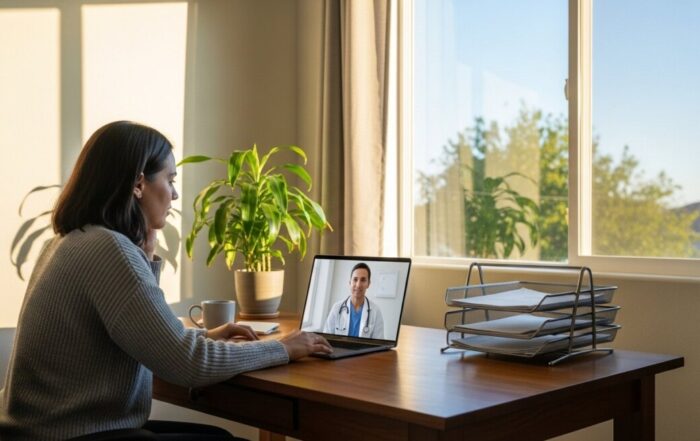
Today’s mobile wound care services are enhanced by digital health technology, making them more efficient and integrated than ever before. Many nurses use secure tablet-based applications to document visits in real-time, including uploading high-resolution photographs of the wound. These photos, taken with consistent lighting and scale, provide an objective visual record of healing progress that can be instantly shared with the surgeon for remote consultation. Some agencies employ telehealth platforms to conduct virtual check-ins between in-person visits, allowing for more frequent monitoring without increasing travel burden. Electronic health records (EHRs) ensure that all caregivers have access to the same updated information, improving safety and coordination. This integration of technology ensures that even care delivered in the home is connected, data-driven, and aligned with the highest clinical standards.
Overcoming Challenges and Ensuring Quality
As with any service, there are considerations. Insurance coverage can be complex, and not all plans cover home nursing with the same generosity. It is imperative to verify benefits in advance. Finding a qualified agency is also critical. Look for agencies that are licensed, accredited by bodies like The Joint Commission, and employ nurses with specific wound care certifications (e.g., Wound Care Certified (WCC) or Certified Wound Specialist (CWS)). The quality of care hinges on the skill of the clinician. Furthermore, patients in very remote rural areas may face challenges with service availability, though coverage is expanding. The key to overcoming these hurdles is proactive planning. Discuss the potential need for home wound care with the surgical team well before the discharge date to allow time for referrals and insurance verification.
Recovering from surgery should be a time focused on rest and healing, not on the stress and logistical hardship of traveling for wound checks. Mobile wound care services for post-surgery patients offer a sophisticated, compassionate solution that aligns with modern healthcare’s goals of improving outcomes, enhancing patient experience, and reducing unnecessary system utilization. By delivering expert care directly to the patient’s bedside, these services empower individuals to heal safely and comfortably in their own homes, turning a vulnerable period into a well-supported journey back to health.
About the Author: Rachel Nguyen

Sign up for our newsletter and Save 20% on Test Kits
"*" indicates required fields