
Mobile EKG and Diagnostic Testing at Home: A New Era of Care
Mobile EKG and Diagnostic Testing at Home: A New Era of Care
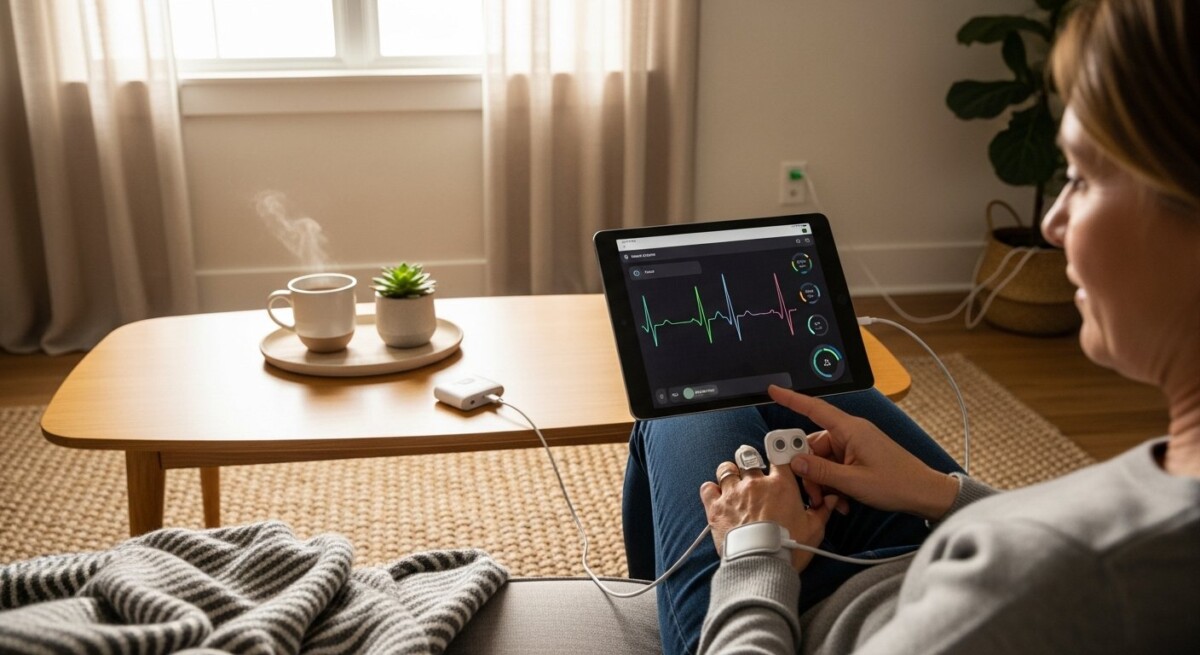
Imagine experiencing heart palpitations or unusual fatigue, but the thought of scheduling a doctor’s appointment, taking time off work, and sitting in a waiting room feels overwhelming. For millions, especially those managing chronic conditions, the elderly, or people in remote areas, accessing timely diagnostic care is a significant hurdle. This barrier is now crumbling, thanks to the rapid advancement of mobile health technology. The convergence of portable medical devices, secure digital platforms, and telehealth is bringing the clinic to your living room. Mobile EKG and diagnostic testing at home is not a futuristic concept, it is a present-day reality that is transforming how we monitor, manage, and understand our health, offering unprecedented convenience, continuity, and potentially life-saving early detection.
The Technology Behind Home-Based Diagnostics
The core of this healthcare revolution lies in the sophistication and miniaturization of medical-grade sensors. These are not simple fitness trackers, though they share some technological DNA. A modern mobile EKG device, for instance, is a FDA-cleared tool capable of recording a single-lead or multi-lead electrocardiogram. It works by detecting the tiny electrical signals generated by your heart with each beat. Users typically place their fingers on sensors embedded in a small handheld device or a smartphone case, and within 30 seconds, a clinical-grade rhythm strip is generated. This data is instantly transmitted via Bluetooth to a paired smartphone app, where algorithms can provide an initial automated interpretation, flagging potential issues like atrial fibrillation (AFib), bradycardia, or tachycardia.
Beyond cardiology, the ecosystem of at-home diagnostics is expanding. Patients can now perform a wide array of tests previously confined to labs. This includes portable spirometers for lung function, connected blood pressure cuffs with arrhythmia detection, Bluetooth-enabled glucometers for diabetes management, and even at-home blood testing kits that allow for the collection of samples (like finger-prick blood or saliva) which are then mailed to a certified laboratory for analysis. The results are delivered digitally, often with explanatory notes and trends over time. This seamless integration of hardware, software, and data analytics creates a continuous feedback loop, empowering both patients and their physicians.
Clinical Applications and Patient Benefits
The practical applications of mobile EKG and home diagnostics are vast and address critical gaps in traditional care models. The most immediate benefit is the ability to capture episodic symptoms. Heart arrhythmias are often intermittent, a patient may feel fluttering in their chest at home, but by the time they reach a doctor’s office, their rhythm has normalized. A mobile EKG allows for immediate recording during the symptom event, providing clinicians with the concrete evidence needed for a diagnosis. This is similarly valuable for monitoring chronic conditions like heart failure, hypertension, or COPD, where daily or weekly data points offer a much richer, more accurate picture of disease control than a single annual check-up reading.
For a clearer understanding of the types of tests available for home use, consider this breakdown of common at-home diagnostic categories.
- Cardiac Monitoring: Mobile EKG devices, event monitors, and connected blood pressure cuffs for detecting arrhythmias, hypertension, and tracking heart health.
- Metabolic and Wellness Panels: Mail-in kits for cholesterol levels, HbA1c (diabetes control), thyroid function, vitamin deficiencies, and hormone levels.
- Respiratory Function: Digital peak flow meters and spirometers for managing asthma, COPD, and monitoring lung capacity.
- Infectious Disease Screening: Tests for UTIs, strep throat, flu, COVID-19, and sexually transmitted infections (STIs) with self-collected samples.
- Chronic Disease Management: Connected glucometers for diabetes, INR monitors for patients on blood thinners, and weight scales with body composition analysis.
This shift also promotes proactive health management. Individuals can establish personal baselines and observe how lifestyle choices affect their biometrics. Furthermore, it dramatically improves healthcare access for populations facing mobility challenges, transportation issues, or those living in healthcare deserts. The reduction in unnecessary clinic visits also alleviates strain on healthcare systems and reduces potential exposure to pathogens in clinical settings. It is important to note that these tools are designed for monitoring and data collection, not for replacing a physician’s diagnosis. The data serves to inform and enhance the clinical conversation.
Integrating Data into Clinical Workflows
The true power of mobile EKG and diagnostic testing at home is unlocked only when the data is effectively integrated into professional healthcare workflows. Raw data flowing to a patient’s phone is of limited clinical value, it must be contextualized, secured, and made available to care teams. Leading platforms solve this by creating patient portals or clinician dashboards where aggregated data from various devices is displayed in a standardized, easy-to-interpret format. Trend graphs, anomaly alerts, and side-by-side comparisons over time turn scattered data points into a coherent health narrative.
This integration facilitates a new model of asynchronous care, or “connected care.” A patient records a symptomatic EKG, and the PDF or data stream is automatically uploaded to their electronic health record (EHR) or sent via a secure messaging system to their cardiologist’s team. The clinician can review it at a scheduled time, potentially triaging urgent findings for immediate follow-up while addressing non-urgent trends during a scheduled telehealth visit. This model makes specialist consultation more efficient and can significantly reduce the time to diagnosis and treatment. For a deeper look at how patients can navigate this new testing landscape, our complete patient guide to at-home diagnostic test kits covers preparation, sample collection, and interpreting results.
Navigating Challenges: Accuracy, Regulation, and Access
Despite its promise, the field of mobile diagnostics faces important challenges that users and providers must acknowledge. The foremost concern is ensuring clinical accuracy and appropriate use. Not all consumer devices are created equal, looking for FDA clearance or CE marking is a key indicator that the device has undergone rigorous validation for its intended use. Patients must be educated on the limitations of these tools, for example, a single-lead mobile EKG cannot diagnose a heart attack, and an at-home test kit has specific collection protocols that must be followed to avoid contamination.
Data privacy and security are paramount. These devices collect highly sensitive personal health information (PHI). Reputable companies will use end-to-end encryption, comply with regulations like HIPAA (in the U.S.) or GDPR (in Europe), and have clear, transparent data use policies. Patients should scrutinize these policies before use. Furthermore, the digital divide presents an access issue. This technology requires a smartphone, reliable internet, and a degree of digital literacy, potentially excluding vulnerable elderly or low-income populations. Finally, insurance coverage remains a patchwork. While some mobile EKG services and remote monitoring programs are covered by insurers for specific conditions, many at-home test kits and devices are still out-of-pocket expenses, though this is changing rapidly as evidence of cost-saving and improved outcomes grows.
The Future of Decentralized Healthcare
The trajectory points toward a more decentralized, patient-centric, and data-driven healthcare ecosystem. Mobile EKG and diagnostic testing at home is a cornerstone of this shift. Future developments will likely include more multi-parameter devices that combine EKG, blood oxygen, and blood pressure readings seamlessly. Artificial intelligence will play a larger role in analyzing complex datasets, identifying subtle patterns predictive of deterioration long before symptoms appear. Integration with virtual primary care and specialist subscriptions will become more streamlined, offering a full-spectrum care experience from home.
This evolution also empowers clinical research, enabling large-scale, real-world data collection for studies without the geographic constraints of traditional trial sites. As the technology becomes more affordable and user-friendly, its adoption will widen, moving from a tool for the chronically ill to a standard component of preventive health for the general population. The goal is not to eliminate the doctor’s office or hospital, but to create a smarter, more responsive system where in-person care is reserved for situations that truly require it, while routine monitoring and early intervention happen conveniently and comfortably at home.
The rise of mobile diagnostics represents a fundamental rethinking of the patient-provider relationship, placing tools for health awareness directly into the hands of individuals. By bridging the gap between sporadic clinic visits and daily life, it fosters a collaborative approach to health management. While challenges around access, equity, and integration persist, the potential to improve outcomes, enhance quality of life, and build a more resilient healthcare system is immense and already being realized.
About the Author: Kevin Ramirez



Sign up for our newsletter and Save 20% on Test Kits
"*" indicates required fields