

How Virtual Nutrition Counseling Makes Healthy Eating Accessible
How Virtual Nutrition Counseling Makes Healthy Eating Accessible
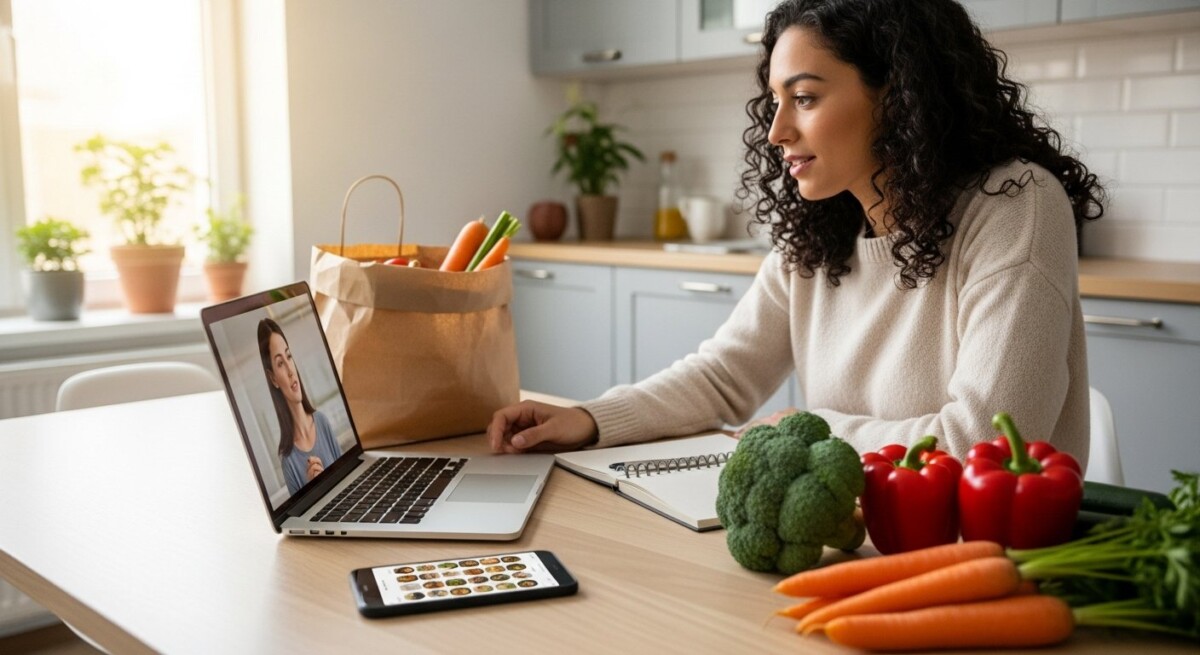
Imagine having a registered dietitian in your pocket, ready to guide you through grocery store aisles, decode confusing food labels, and create a personalized meal plan that fits your life, not the other way around. This is the reality of virtual nutrition counseling, a transformative approach to dietary health that leverages technology to break down traditional barriers to expert guidance. No longer confined by geography, scheduling conflicts, or the time required for in-person visits, individuals can now access evidence-based nutritional support from the comfort of their homes. This model represents a significant shift in preventive and therapeutic healthcare, making personalized nutrition advice more convenient, scalable, and integrated into daily living than ever before.
The Core Components of a Virtual Nutrition Program
A comprehensive virtual nutrition counseling program is far more than a simple video call. It is a structured, multi-faceted service designed to provide continuous support and actionable strategies. The foundation is a secure, HIPAA-compliant video conferencing platform that facilitates face-to-face conversations, allowing for a personal connection and nuanced discussion that text alone cannot provide. These sessions are typically supplemented by a dedicated client portal, which serves as the central hub for the counseling relationship. Within this portal, clients can access their personalized meal plans, educational resources, food journals, and progress trackers.
Communication extends beyond scheduled sessions. Secure messaging enables clients to ask quick questions, share updates, or send photos of meals for real-time feedback, fostering an ongoing dialogue. Many practitioners also utilize integrated apps for food logging, which can sync seamlessly with the dietitian’s dashboard for efficient analysis. This ecosystem of tools ensures that support is not a once-a-month event but a consistent presence. The dietitian can monitor trends, celebrate victories, and promptly address challenges, creating a dynamic and responsive care model that adapts to the client’s evolving journey.
Key Benefits for Patients and Clients
The advantages of virtual nutrition counseling are profound and address many of the pain points associated with traditional care. The most immediate benefit is unparalleled convenience and accessibility. Clients save significant time and money by eliminating commutes, taking less time off work, and reducing associated costs like parking or fuel. This is especially critical for those in rural areas with limited local specialists, individuals with mobility issues, or busy parents and professionals.
Perhaps the most powerful benefit is the ability to receive guidance in your personal environment. A dietitian can provide coaching within your actual kitchen, offering practical tips for organizing your pantry, or join you on a live video tour of your local grocery store to teach label-reading and smart shopping strategies. This context-specific coaching leads to higher adherence and more sustainable habit formation. Furthermore, the digital nature of the service often makes it more affordable and provides a wider choice of specialists. You are not limited to dietitians in your zip code, you can select an expert who specifically focuses on your condition, whether it’s sports nutrition, renal health, diabetes management, or pediatric allergies.
Who Can Benefit from Online Dietary Guidance
Virtual nutrition counseling is not a one-size-fits-all solution, but its flexibility makes it suitable for a remarkably wide range of individuals. It is exceptionally effective for managing chronic conditions where diet plays a central role. This includes, but is not limited to, diabetes (Type 1, Type 2, and prediabetes), cardiovascular disease, hypertension, gastrointestinal disorders (IBS, Crohn’s, celiac disease), kidney disease, and food allergies or intolerances. Clients receive tailored plans that manage symptoms, improve lab values, and enhance overall quality of life.
Beyond clinical management, it serves those with specific health and performance goals. Athletes seeking to optimize fuel and recovery, individuals aiming for sustainable weight management, women navigating prenatal or postnatal nutrition, and people pursuing general wellness and disease prevention all find immense value. The model also supports those undergoing significant life transitions, such as adopting a vegetarian or vegan lifestyle, who need guidance to ensure nutritional adequacy. The common thread is the desire for personalized, science-backed advice that integrates seamlessly into one’s unique routine and environment.
What to Expect in Your First Session and Beyond
Beginning virtual nutrition counseling follows a structured process designed to build a strong foundation for success. The initial session is a comprehensive assessment, typically lasting 60 to 90 minutes. Your dietitian will delve into your detailed medical history, current medications and supplements, lifestyle, activity level, sleep patterns, stress, and, crucially, your relationship with food. Be prepared to discuss your typical eating patterns, food preferences, cooking skills, and challenges in depth. This holistic intake allows the dietitian to understand not just what you eat, but why you eat it.
Following this assessment, the collaborative planning begins. You will not be handed a rigid, generic diet sheet. Instead, you and your dietitian will co-create realistic, incremental goals. The subsequent support structure is key to long-term success. Follow-up sessions, usually shorter (30-45 minutes), are scheduled regularly (e.g., weekly, bi-weekly, or monthly) to review progress, troubleshoot obstacles, adjust plans, and provide ongoing education and accountability. Between sessions, you will likely have “homework,” such as practicing mindful eating, trying a new recipe, or logging meals, which keeps you engaged and moving forward.
Choosing the Right Virtual Nutrition Professional
Selecting a qualified provider is the most critical step in ensuring a safe and effective experience. The paramount credential to look for is “Registered Dietitian Nutritionist” (RDN) or “Registered Dietitian” (RD). This title signifies the individual has completed a rigorous accredited degree program, a supervised clinical internship, passed a national examination, and engages in continuing education. They are licensed healthcare professionals bound by a code of ethics. Be wary of individuals using unregulated titles like “nutritionist” or “health coach,” as their training and scope of practice can vary wildly and may not be sufficient for managing medical conditions.
Beyond credentials, consider the practitioner’s specialization and approach. Look for a dietitian whose expertise aligns with your goals (e.g., sports nutrition, intuitive eating, diabetes care). During an initial consultation, assess their communication style, do you feel heard and supported? Inquire about their specific process, the technology platform they use, session frequency, cost, and insurance acceptance. A good virtual dietitian will prioritize a client-centered, non-judgmental approach and empower you with knowledge and skills, not just dictate rules.
Integrating Technology for Sustained Success
The success of virtual counseling is amplified by the strategic use of supportive technology. These tools bridge the gap between sessions and turn advice into daily action. Food tracking apps like Cronometer or MyFitnessPal allow for easy logging and provide valuable nutrient data that your dietitian can review. Digital kitchen scales and Bluetooth-enabled body composition scales can offer precise data for those with specific quantitative goals. Recipe management apps and meal planning platforms help organize and streamline food preparation.
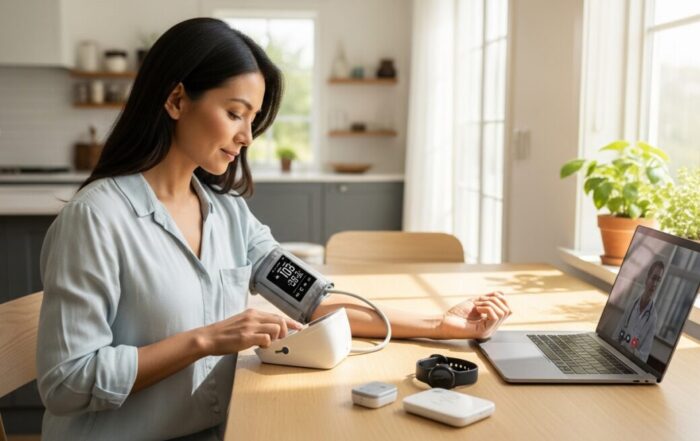
Wearable devices that sync with health apps provide contextual data on activity, sleep, and even heart rate variability, offering a more complete picture of how lifestyle factors interplay with nutrition. The dietitian can help you interpret this data to make informed adjustments. This integration creates a feedback loop: you provide data from your life, your dietitian provides expert analysis and personalized recommendations, and you implement changes, creating a cycle of continuous learning and improvement that is deeply personalized and highly effective.
Addressing Common Questions and Concerns
Prospective clients often have questions about how virtual care compares to traditional models. Here are answers to some frequently asked questions.
Is virtual nutrition counseling as effective as in-person sessions? For most individuals and goals, yes. Numerous studies have shown that telehealth interventions for nutrition are effective for weight management, improving dietary habits, and managing conditions like diabetes. The key factors for success, such as a strong therapeutic alliance, personalized advice, and consistent accountability, are fully achievable in a virtual format.
How do you handle food demonstrations or pantry assessments virtually? Dietitians are adept at using video technology for this. You can simply point your camera at your pantry shelves or refrigerator, and the dietitian can guide you through an assessment. For cooking demos, they can share their screen with a recipe, or you can cook alongside them in your own kitchen, which is arguably more practical than watching a demo in an office.
Will my insurance cover virtual nutrition counseling? Coverage has expanded significantly, especially since the pandemic. Many private insurance plans, Medicare, and Medicaid now cover telehealth nutrition services for specific diagnoses (like diabetes or kidney disease). It is essential to verify coverage directly with your insurance provider and the dietitian’s practice. Some practices also offer direct pay or sliding scale options.
What if I’m not tech-savvy? A reputable service will provide clear, simple instructions for accessing the platform, which is usually just a click on a link sent via email. Most platforms are designed to be user-friendly. Support staff are typically available to assist with technical setup before your first appointment to ensure a smooth start.
Is my health information kept private? Legitimate virtual nutrition counseling services use HIPAA-compliant, secure video conferencing software and client portals. Your protected health information (PHI) is encrypted and should never be discussed over non-secure channels like standard email or consumer-facing video apps. Always confirm the security protocols of any service you consider.
Virtual nutrition counseling has moved from a novel alternative to a mainstream, essential component of modern healthcare. By combining the expertise of registered dietitians with the power of accessible technology, it delivers personalized, practical, and sustainable dietary guidance directly into the spaces where food choices are made. It empowers individuals to take control of their health on their own terms, breaking down the logistical and psychological barriers that have often stood between people and optimal wellness. Whether managing a chronic condition or pursuing a personal health goal, this model offers a path forward that is adaptable, supportive, and firmly rooted in evidence-based science.
About the Author: Daniel Brooks



Sign up for our newsletter and Save 20% on Test Kits
"*" indicates required fields