
How to Start Exercising After 50: A Safe Guide
How to Start Exercising After 50: A Safe Guide
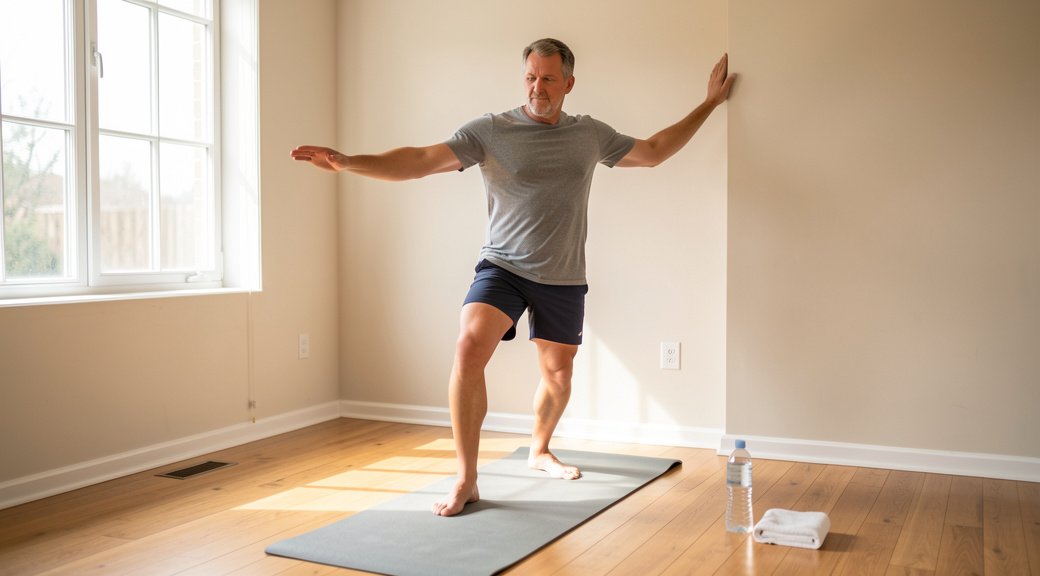
Reaching 50 is a milestone that often brings a renewed focus on health and longevity. You may have noticed that your body does not bounce back the way it used to, and the thought of starting a workout routine might feel intimidating or even risky. However, this decade of life is actually one of the most critical times to begin moving your body. Exercise after 50 is not about trying to lift the heaviest weights or run the fastest mile. It is about preserving muscle mass, protecting your joints, improving balance, and maintaining your independence for years to come. The key is to start slowly, listen to your body, and build a consistent routine that respects your current fitness level. This guide will walk you through exactly how to start exercising after 50 with a focus on safety, sustainability, and real results.
Why Exercise Becomes More Important After 50
After age 50, the human body undergoes several physiological changes that make regular physical activity not just beneficial but essential. One of the most significant changes is sarcopenia, the gradual loss of muscle mass and strength. Without intervention, adults can lose 3 to 5 percent of their muscle mass per decade after 30. This loss accelerates after 50, leading to decreased metabolism, increased body fat, and a higher risk of falls and fractures.
Bone density also begins to decline more rapidly, especially in women after menopause due to lower estrogen levels. This increases the risk of osteoporosis and fractures. Regular weight-bearing exercise can slow this bone loss and even help rebuild bone density. Additionally, joint health becomes a concern as cartilage wears down over time. Gentle, consistent movement helps lubricate the joints and strengthen the supporting muscles, reducing pain and stiffness.
Beyond the physical changes, exercise has powerful effects on mental health and cognitive function. Studies show that regular physical activity can reduce the risk of dementia, improve mood, and help manage chronic conditions like high blood pressure, type 2 diabetes, and heart disease. When you learn how to start exercising after 50 the right way, you are investing in every aspect of your health.
Getting Medical Clearance First
Before you lace up your sneakers, the single most important step is to consult with a healthcare provider. This is especially critical if you have any existing health conditions, take medications, or have been sedentary for a long time. A doctor can assess your current health status and identify any limitations or risks you may not be aware of.
During your visit, be sure to discuss:
- Any history of heart disease, chest pain, or palpitations.
- Joint issues such as arthritis, previous injuries, or replacements.
- Chronic conditions like diabetes, high blood pressure, or osteoporosis.
- Dizziness, balance problems, or recent falls.
- Any medications that may affect heart rate, balance, or hydration.
Your doctor may recommend specific modifications or refer you to a physical therapist who can design a program tailored to your needs. This step is not just about safety. It also gives you the confidence to move forward knowing that your plan is appropriate for your body. Many people find that a virtual consultation through a telemedicine platform like DoctorsHome is a convenient way to have this conversation without the need for an in-person visit.
Choosing the Right Types of Exercise
A well-rounded fitness routine after 50 should include four key components: cardiovascular exercise, strength training, flexibility work, and balance training. Each plays a unique role in keeping your body strong and functional. The goal is not to master all four on day one but to gradually incorporate them over time.
Cardiovascular Exercise for Heart Health
Cardio is essential for maintaining a healthy heart and lungs. The American Heart Association recommends at least 150 minutes of moderate-intensity aerobic activity per week. For someone over 50, this might mean brisk walking, swimming, cycling on a stationary bike, or using an elliptical machine. The key is to choose activities that are low-impact to protect your joints while still raising your heart rate.
Start with just 10 to 15 minutes per day if you are new to exercise. Walk around your neighborhood, take a gentle swim, or try a beginner’s cycling class. Listen to your body and gradually increase your time by five minutes each week. If you feel shortness of breath or pain, slow down or stop. Over time, you will build the stamina to walk for 30 minutes without stopping.
Strength Training to Preserve Muscle
Strength training is arguably the most important component for people over 50. It helps combat muscle loss, strengthens bones, and improves metabolism. You do not need heavy weights or a gym membership to get started. Bodyweight exercises like squats, wall push-ups, and seated leg lifts are excellent for beginners.
As you progress, you can add resistance bands, light dumbbells, or ankle weights. Aim for two to three strength sessions per week, with at least one rest day between sessions. Focus on major muscle groups: legs, back, chest, shoulders, and core. A simple routine might include 10 to 12 repetitions of each exercise, completing one to two sets. Good form is far more important than lifting heavy weight.
Flexibility and Mobility Work
Stiff muscles and tight joints can make everyday activities like bending down or reaching overhead difficult. Stretching improves your range of motion and reduces the risk of injury. Incorporate gentle stretching after your workouts when your muscles are warm, or consider a dedicated yoga or Pilates class designed for older adults.
Focus on holding each stretch for 20 to 30 seconds without bouncing. Key areas to stretch include the hamstrings, hips, lower back, chest, and shoulders. Yoga is particularly beneficial because it combines flexibility with balance and strength work in a low-impact format.
Balance Training to Prevent Falls
Falls are a leading cause of injury among older adults, but balance training can significantly reduce that risk. Simple exercises like standing on one foot, walking heel-to-toe in a straight line, or practicing Tai Chi can improve your stability. Aim to include balance exercises two to three times per week.
Start near a wall or a sturdy chair so you can catch yourself if needed. As you improve, try closing your eyes or standing on a soft surface like a pillow to challenge your balance further. Consistency is key here. Even five minutes of balance training per day can make a noticeable difference.
Creating a Sustainable Weekly Schedule
Knowing how to start exercising after 50 is not just about which exercises to do. It is also about building a schedule that fits your life and prevents burnout or injury. A sample beginner week might look like this:
- Monday: 15-minute brisk walk + gentle stretching (10 minutes).
- Tuesday: Strength training (bodyweight squats, wall push-ups, seated rows with resistance band).
- Wednesday: 20-minute walk or swimming.
- Thursday: Balance exercises (5 minutes) + full-body stretching (15 minutes).
- Friday: Strength training (same as Tuesday, possibly adding one more repetition).
- Saturday: 25-minute walk or gentle bike ride.
- Sunday: Rest or very gentle walking.
This schedule includes two strength sessions, three to four cardio sessions, and daily attention to flexibility and balance. It is important to include rest days because your muscles and joints need time to recover and adapt. If you feel overly sore or tired, take an extra rest day or reduce the intensity of your next workout.
Listening to Your Body and Avoiding Injury
One of the most valuable skills you can develop is learning the difference between discomfort that is part of progress and pain that signals a problem. A mild muscle ache after a workout is normal, especially when you are starting a new routine. However, sharp or persistent pain is not. If you feel joint pain, dizziness, or chest discomfort, stop immediately and seek medical advice.
Proper warm-up and cool-down are essential for injury prevention. Spend five minutes before each workout doing dynamic movements like arm circles, leg swings, or marching in place. After your workout, cool down with slow walking and static stretching. This helps your heart rate return to normal gradually and reduces muscle stiffness.
Hydration and nutrition also play a role. Drink water before, during, and after exercise. Eat a balanced meal with protein and carbohydrates within two hours of your workout to support muscle recovery. If you have specific dietary needs or restrictions, consider consulting with a healthcare provider or dietitian.
For those managing chronic conditions, telemedicine can be a valuable tool. Platforms like DoctorsHome offer virtual consultations where you can discuss exercise modifications, symptom management, and medication adjustments without leaving your home. This convenience makes it easier to stay on track with your health goals.
Staying Motivated for the Long Term
Motivation often starts high but fades after a few weeks. To make exercise a lasting habit, you need strategies that go beyond willpower. One effective approach is to find an activity you genuinely enjoy. If you hate running, do not force yourself to run. Try dancing, gardening, hiking, or playing with your grandchildren. The best exercise is the one you will actually do.
Tracking your progress can also keep you engaged. Write down how many minutes you walked each day or how many repetitions you completed. Seeing small improvements over time is highly motivating. You might also consider working with a personal trainer who specializes in older adults, or joining a group class where you can connect with others at a similar fitness level.
Setting realistic goals is crucial. Instead of saying, “I want to lose 20 pounds,” set a process goal like “I will walk for 20 minutes five days this week.” Process goals are under your control and build momentum. Celebrate each small victory, whether that is walking an extra block or lifting a slightly heavier weight.
Remember that consistency matters more than intensity. It is better to do a moderate workout five days per week than to push yourself to exhaustion once a week. Over time, these consistent efforts compound into significant improvements in strength, endurance, and overall well-being.
When to Seek Professional Guidance
While many people can successfully start exercising on their own, there are times when professional guidance is especially valuable. If you have a chronic condition like heart disease, diabetes, or severe arthritis, working with a physical therapist or certified exercise physiologist can ensure your program is safe and effective. They can teach you proper form, modify exercises for your specific needs, and help you progress at the right pace.
Telemedicine services like DoctorsHome make it easier than ever to get professional input. You can discuss your exercise plans with a licensed healthcare provider who understands your medical history. They can offer advice on how your condition might affect your workouts and whether any additional testing or monitoring is needed. For example, if you are managing high blood pressure, your doctor can advise on target heart rate zones and warning signs to watch for.
Additionally, if you experience new symptoms like shortness of breath, chest pain, or joint swelling after starting exercise, do not ignore them. Schedule a follow-up consultation to rule out any underlying issues. It is always better to address concerns early than to push through and risk a serious injury.
Building a Healthier Future
Starting an exercise routine after 50 is one of the most powerful decisions you can make for your health. It is not about becoming a super-athlete or reversing the clock entirely. It is about giving yourself the strength, energy, and mobility to enjoy the next decades of your life to the fullest. Every step you take, every stretch you hold, and every weight you lift is an investment in your future self.
Begin with small, consistent steps. Get medical clearance, choose activities that feel good, and build a schedule that respects your body’s needs. Use the resources available to you, including telemedicine consultations for personalized guidance. And remember that the journey is not about perfection. Some days will be harder than others. What matters is that you keep moving forward.
Your body has carried you through five decades of life. With the right approach, it will carry you through many more. Start today, and give yourself the gift of a stronger, healthier tomorrow.
About the Author: Sarah Thompson





Sign up for our newsletter and Save 20% on Test Kits
"*" indicates required fields