
How to Find a Female Doctor Near Me for Primary Care
How to Find a Female Doctor Near Me for Primary Care
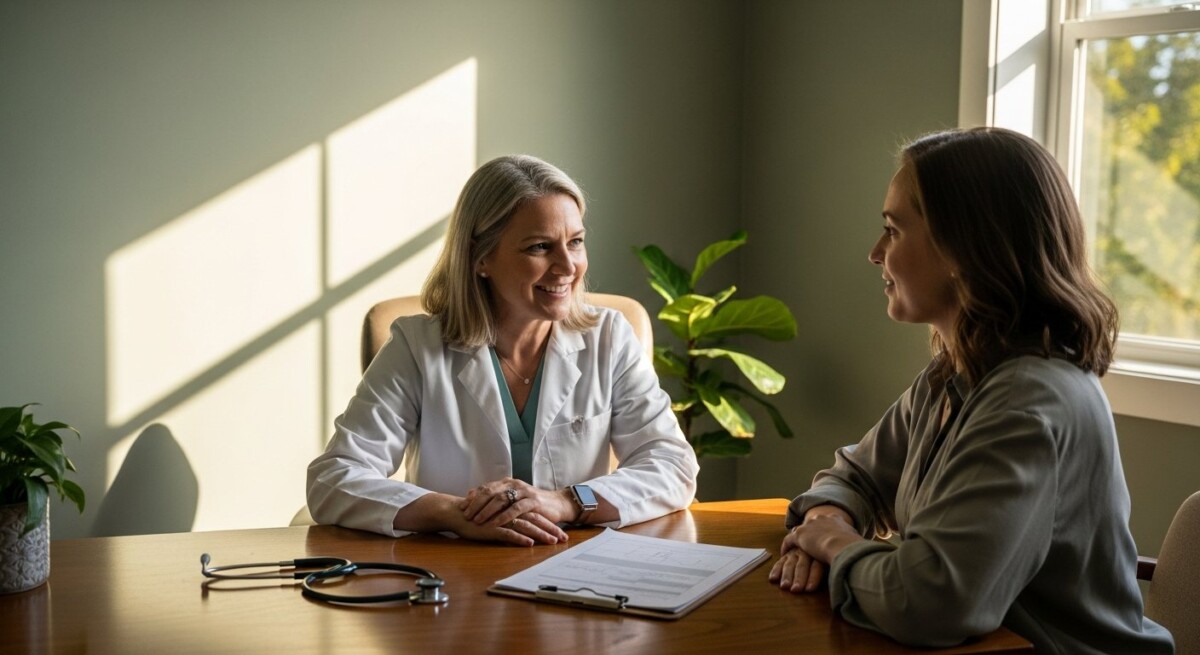
Choosing a primary care provider is one of the most personal healthcare decisions you will make. For many women, feeling comfortable with their doctor directly impacts how openly they discuss symptoms, ask questions, and follow through with preventive screenings. If you have been searching “how to find a female doctor near me for primary care” and felt overwhelmed by insurance directories or generic online listings, you are not alone. This guide breaks down the process into actionable steps, from understanding your insurance network to evaluating bedside manner during an initial visit.
Why Choosing a Female Primary Care Doctor Matters
Research consistently shows that female patients often prefer female physicians for sensitive issues such as reproductive health, menopause management, and mental health discussions. A 2021 study in the Journal of Women’s Health found that women with female primary care doctors were more likely to receive recommended Pap smears and mammograms. This comfort factor extends beyond gynecology: many women feel more at ease discussing urinary symptoms, sexual health concerns, or family planning with a provider who shares their gender perspective.
However, the reasons go beyond personal comfort. Female primary care physicians tend to spend slightly more time with patients during appointments and are more likely to follow preventive care guidelines, according to data from the American Medical Association. This does not mean male doctors cannot provide excellent care, but for patients who specifically want a female provider, finding one who is both accepting new patients and conveniently located requires a strategic approach.
Step-by-Step Guide to Finding a Female Primary Care Doctor
Step 1: Start With Your Insurance Network
Before searching for names, log into your health insurance portal. Most major insurers allow you to filter providers by gender, specialty (family medicine or internal medicine), and location. Look for the “Find a Doctor” tool and select “Primary Care” or “Family Medicine” as the specialty. Then apply the gender filter to show only female providers. This step ensures you do not waste time researching doctors who are out of network or not accepting new patients.
If your insurance portal does not offer gender filters, call customer service and ask for a list of female primary care doctors within a 10-mile radius. Write down the names and phone numbers of at least five providers. Verify with each office that they are accepting new patients and accepting your specific insurance plan. Some plans have narrow networks, so double-checking prevents surprise bills later.
Step 2: Use Online Directories and Reviews
After narrowing down in-network options, turn to trusted online directories. Websites like Zocdoc, Healthgrades, and Vitals allow you to search for female primary care doctors and read patient reviews. Pay attention to comments about wait times, office staff friendliness, and how well the doctor listens. Look for patterns rather than one-off complaints. A doctor with dozens of reviews mentioning rushed appointments may not be ideal for someone seeking thorough primary care.
You can also check the American Board of Internal Medicine or American Board of Family Medicine certification databases to confirm the doctor is board-certified. Board certification indicates the physician has passed rigorous exams and stays current with medical advances. This is especially important for primary care, where guidelines for screenings and chronic disease management change frequently.
Step 3: Ask for Recommendations From Trusted Sources
Word-of-mouth referrals remain one of the most reliable ways to find a good doctor. Ask friends, family members, or coworkers who have similar healthcare needs. If you have a gynecologist or another specialist you trust, ask their office for recommendations. Often, specialists know which primary care doctors communicate well, respect referrals, and provide excellent follow-up care.
Local Facebook groups for mothers, women’s health forums, or neighborhood community boards can also yield suggestions. Frame your request specifically: “Looking for a female primary care doctor near [your city] who takes [your insurance] and has good reviews for managing thyroid issues.” The more specific you are, the better the responses you will receive.
Step 4: Verify Logistics and Accessibility
Once you have a shortlist of three to five doctors, call each office to confirm practical details. Ask about:
- Office hours: Are they open evenings or weekends to accommodate your schedule?
- Appointment availability: How long is the wait for a new patient appointment? For a routine follow-up?
- Telehealth options: Does the doctor offer virtual visits for minor issues or medication management? In our guide on How To Choose Telehealth: A Guide To Finding The Right Virtual Care, we explain how to evaluate virtual care platforms and what to ask before booking.
- Hospital affiliation: Which hospital does the doctor use for admissions or specialist referrals? Is it convenient for you?
- Language: If English is not your first language, ask if the doctor or staff speaks your preferred language or if interpretation services are available.
These logistical factors can determine whether you stick with a doctor long-term. A highly recommended female doctor who is 30 minutes away and only open during business hours may not be practical if you work full-time or have childcare constraints.
Step 5: Schedule a Meet-and-Greet Appointment
Many primary care offices offer a brief introductory visit or a “new patient consultation” where you can meet the doctor without committing to a full physical exam. Use this opportunity to assess bedside manner. Prepare a short list of questions:
- How do you prefer to communicate between visits (portal, phone, email)?
- What is your philosophy on preventive care and screenings?
- How do you handle referrals to specialists?
- What is your typical appointment length for established patients?
Pay attention to how the doctor responds. Does she make eye contact? Does she seem rushed or distracted? Does she ask about your health history and goals? Trust your instincts. If you feel dismissed or uncomfortable during a meet-and-greet, it is unlikely to improve over time. Move on to the next candidate on your list.
Common Challenges and How to Overcome Them
Finding a female primary care doctor who is accepting new patients can be difficult in some areas. The Association of American Medical Colleges reports a projected shortage of primary care physicians in many regions, especially rural areas. If you live in a doctor shortage area, expand your search radius to 20 or 30 miles. Alternatively, consider a nurse practitioner (NP) or physician assistant (PA) who specializes in primary care. Many NPs are female and provide excellent comprehensive care, often with more flexible scheduling.
Another common obstacle is insurance networks changing year to year. If your preferred female doctor suddenly moves out of network, contact your insurance company to request a continuity of care exception. This temporary approval allows you to continue seeing the same doctor for a limited time while you find a replacement. You can also appeal if the nearest in-network female primary care doctor is unreasonably far from your home.
What to Expect During Your First Primary Care Visit
Your first appointment with a new female primary care doctor will likely be longer than follow-up visits. Plan for 30 to 60 minutes. The doctor will review your medical history, family history, medications, allergies, and lifestyle habits. She may order baseline blood work, check your blood pressure, and discuss recommended screenings based on your age and risk factors.
Be prepared to discuss sensitive topics such as menstrual health, sexual activity, mental health, and substance use. A good primary care doctor creates a nonjudgmental space for these conversations. If you feel uncomfortable, remember that you can request a chaperone or ask to speak privately with the doctor without a medical assistant present. Building trust takes time, but an open dialogue leads to better health outcomes.
How to Evaluate Your Experience After the First Year
After seeing your female primary care doctor for several months, reflect on your experience. Consider factors like: Did she remember your previous concerns? Did she follow up on test results in a timely manner? Was it easy to schedule appointments and get prescription refills? If you have multiple chronic conditions, does she coordinate care with your specialists?
If you are not satisfied, do not hesitate to switch. Your health is too important to settle for a doctor who does not meet your needs. The process of searching “how to find a female doctor near me for primary care” may feel tedious, but finding the right match reduces stress, improves adherence to preventive care, and ultimately keeps you healthier in the long run.
Digital Tools That Simplify the Search
Several apps and websites now streamline the process of finding a female primary care doctor. Zocdoc allows you to filter by gender, insurance, and available appointment times, then book directly online. Some apps even show real-time availability. Healthgrades and Vitals provide detailed profiles including education, certifications, hospital affiliations, and patient satisfaction scores.
If you prefer a more curated approach, consider concierge primary care practices that focus on women’s health. These practices often have female physicians, longer appointment times, and same-day access. However, they typically charge an annual membership fee that may not be covered by insurance. Weigh the cost against the convenience and personalized attention you receive.
Building a Long-Term Relationship With Your Primary Care Doctor
Once you find a female primary care doctor you trust, invest in the relationship. Keep a list of your health concerns between visits, update her on any changes in medications or symptoms, and attend annual wellness exams. Continuity of care with the same provider has been shown to reduce emergency room visits and hospitalizations.
Do not be afraid to provide feedback. If you feel a particular topic was not addressed thoroughly, mention it at your next visit or send a message through the patient portal. A good doctor values open communication and wants you to be an active participant in your health. The time you spend now finding the right female primary care doctor will pay dividends in better health, fewer complications, and greater peace of mind for years to come.
About the Author: Brian Carter





Sign up for our newsletter and Save 20% on Test Kits
"*" indicates required fields