

How Telemedicine for Physical Therapy Improves Access and Recovery
How Telemedicine for Physical Therapy Improves Access and Recovery
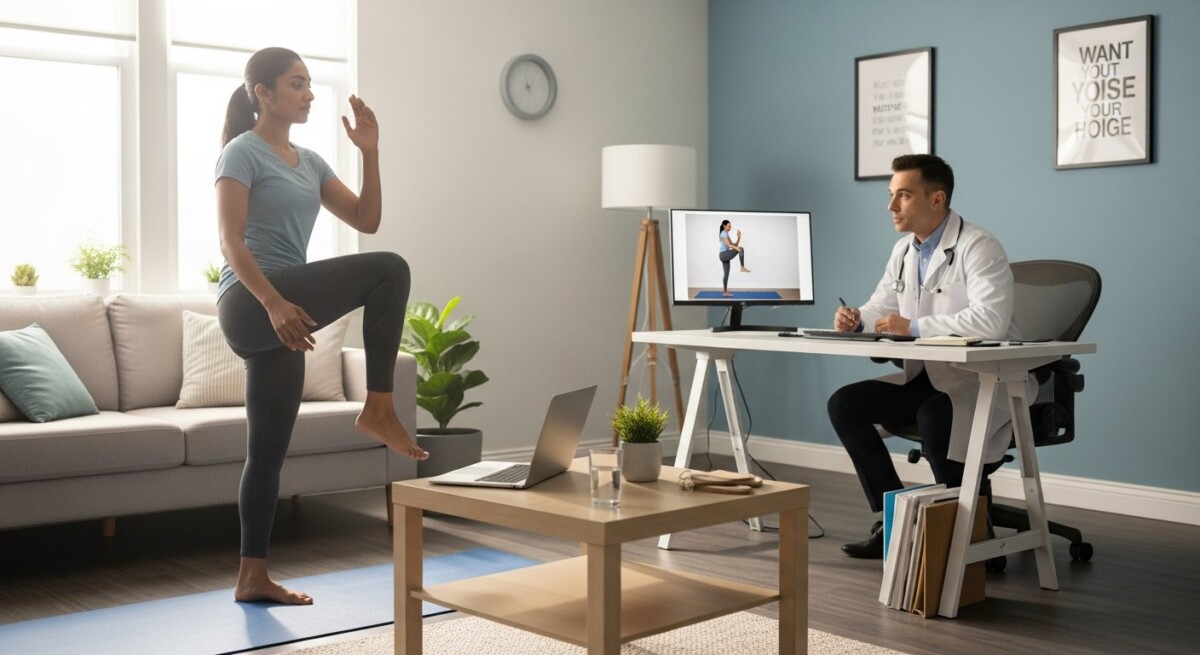
Imagine recovering from knee surgery or managing chronic back pain without the stress of commuting, sitting in a waiting room, or rearranging your entire day for a 30-minute appointment. This is the new reality made possible by telemedicine for physical therapy, a transformative approach that delivers expert-guided rehabilitation directly to patients through digital platforms. By leveraging video conferencing, remote monitoring, and digital exercise programs, this model is dismantling traditional barriers to care. It is not merely a temporary substitute for in-person visits, it is a robust, evidence-based modality that expands what is possible in musculoskeletal and neurological rehabilitation. For millions dealing with injury, post-surgical recovery, or chronic conditions, virtual physical therapy offers a practical, effective, and often superior pathway to regaining function and reducing pain.
The Foundations of Effective Virtual Rehabilitation
Virtual physical therapy, or telerehabilitation, is a structured clinical practice, not an informal video call. It requires a specific framework to be safe and effective. The process typically begins with a comprehensive initial evaluation conducted via a secure video platform. During this session, the physical therapist will take a detailed history, observe your posture and movement patterns through guided tests, and assess your functional limitations. You might be asked to perform simple movements like squatting, reaching, or walking so the therapist can analyze your biomechanics. This evaluation establishes a baseline and informs the creation of a personalized treatment plan.
The core of treatment involves therapeutic exercise, which the therapist prescribes and teaches during live sessions. You will learn correct form and technique under direct supervision. Between live sessions, you follow a prescribed home exercise program, often supported by digital platforms that provide video demonstrations, reminders, and progress tracking. Education is another critical pillar, therapists spend significant time teaching patients about their condition, pain science, ergonomics, and self-management strategies. This educational component empowers patients to take an active role in their own recovery, which is crucial for long-term success. For certain conditions, therapists may also guide patients or their caregivers in hands-on techniques, like self-mobilization or soft tissue massage, using common household items.
Who Can Benefit from Remote Physical Therapy?
Telemedicine for physical therapy is remarkably versatile and suitable for a wide range of conditions. It is particularly effective for non-post-operative orthopedic issues, such as chronic low back pain, neck pain, tendonitis, and arthritis management. For these conditions, the focus is on exercise, education, and activity modification, all of which translate exceptionally well to a virtual format. Neurological conditions, including Parkinson’s disease and post-stroke rehabilitation, also benefit greatly. Therapists can observe movement in the patient’s home environment, which provides more relevant context than a clinical setting, and can work on functional tasks like navigating household obstacles.
Post-surgical rehabilitation is another strong application, especially for the later stages of recovery. Once initial wound healing and basic mobility are established, virtual sessions are excellent for progressing strength, range of motion, and functional training. Furthermore, it is an ideal solution for maintenance care, wellness, and injury prevention for athletes, weekend warriors, and individuals seeking to maintain an active lifestyle. It provides consistent, convenient access to professional guidance. However, it is important to note the limitations. Telemedicine is generally not suitable for the initial, acute phase post-surgery requiring hands-on wound care or complex manual therapy, or for patients with severe balance deficits that pose a high fall risk without in-person spotting. A hybrid model, combining selective in-person visits with virtual follow-ups, often provides the optimal balance.
Overcoming Barriers to Consistent Care
The most significant advantage of telemedicine in this field is its ability to overcome the classic barriers that prevent people from completing their rehabilitation. Geography is no longer a constraint, patients in rural areas or those who live far from specialized clinics can access top-tier therapists. Time and logistics become manageable, eliminating commute time, making it easier to fit sessions into a lunch break or before the school run. This convenience directly translates to higher adherence rates, patients are more likely to attend appointments and consistently perform their home exercises when the process integrates seamlessly into their daily life.
Financial and systemic barriers are also reduced. While insurance coverage for telehealth continues to evolve, many major payers now reimburse for virtual physical therapy, especially since the pandemic. This can make care more affordable by reducing ancillary costs like transportation and parking. The model also expands access for individuals with mobility challenges, those who rely on caregivers for transportation, or people with immunocompromised conditions for whom visiting a clinical setting poses a risk. The environmental impact is a notable secondary benefit, reducing countless car trips and their associated carbon emissions.
Technology and Patient Engagement
The success of a virtual physical therapy program hinges on both simple and sophisticated technology. At a minimum, you need a reliable internet connection and a device with a camera and microphone, such as a smartphone, tablet, or computer. The space should allow for safe movement and a clear view of your body. Many practices use HIPAA-compliant video platforms integrated with electronic health records for seamless documentation. Beyond the video call, technology enhances engagement through dedicated mobile apps and patient portals. These tools often feature:
- Prescribed exercise libraries with video demonstrations
- Progress tracking for pain, range of motion, and functional goals
- Secure messaging for questions between sessions
- Reminder notifications for exercises and appointments
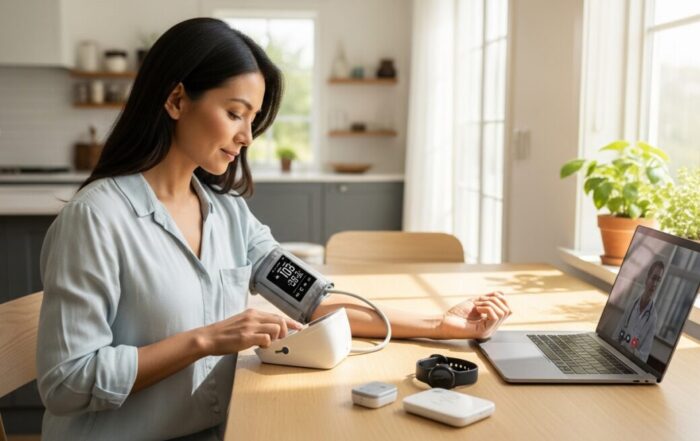
- Integration with wearable devices to monitor activity levels
This digital ecosystem keeps patients connected and accountable, turning a weekly appointment into a continuous therapeutic relationship. The data collected can also help the therapist objectively measure progress and adjust the plan accordingly. For urgent but non-emergency musculoskeletal advice, this model dovetails with broader telemedicine services. For instance, if a patient experiences a new, acute injury while performing their home program, they could quickly connect with a 24 hour telemedicine doctor online today for initial assessment and guidance before following up with their physical therapist.
Ensuring Safety, Quality, and the Human Connection
A common concern is whether care delivered through a screen can be as safe and personal as in-person therapy. Licensed physical therapists are trained to conduct thorough remote assessments and are adept at identifying movement compensations and signs of distress via video. They establish clear safety protocols, such as having a family member present for initial sessions with higher-risk patients and prescribing exercises with minimal fall risk. The therapeutic alliance, the crucial bond between patient and clinician, can be very strong in a virtual setting. Some patients feel more comfortable and open in their own homes, leading to more honest conversations about their pain and limitations.
Quality is maintained through the same clinical standards and licensure requirements. A physical therapist providing telehealth must be licensed in the state where the patient is located. They use clinical reasoning to determine when a condition is appropriate for virtual care and when an in-person referral is necessary. This judgment is a core part of their expertise. The human connection is fostered through active listening, motivational interviewing, and the shared focus on patient-centered goals. The therapist’s role as coach, educator, and supporter is amplified, not diminished, in a well-executed virtual practice.
Frequently Asked Questions
Is telemedicine for physical therapy covered by insurance? Coverage has expanded significantly. Many private insurers, Medicare, and Medicaid now offer reimbursement for telehealth PT services. Coverage details, such as copays and visit limits, vary by plan. It is essential to verify benefits with your insurance provider and the therapy clinic before starting.
What equipment do I need at home? You need a device with a camera and internet. For exercises, you may need basic items like resistance bands, a towel, or a chair. Your therapist will recommend inexpensive, household, or optional equipment based on your program. No major investment is typically required.
How do therapists assess me without touching me? Therapists are highly trained in visual analysis of movement. Through specific verbal cues and guided tests, they can assess posture, gait, range of motion, strength imbalances, and movement quality. They rely heavily on your feedback about pain and sensation.
Can I get a prescription for physical therapy via telemedicine? Yes, in many cases. Physicians, nurse practitioners, and other qualified providers can evaluate you via telemedicine and, if appropriate, provide a referral or prescription for physical therapy. This streamlines the process, as explained in our guide on whether online doctors can prescribe antibiotics, which outlines the legal and clinical frameworks for remote prescriptions.
Is virtual PT effective for serious injuries? It can be highly effective for many serious conditions, particularly in the subacute and chronic phases. For acute, severe injuries or post-surgical cases requiring hands-on manual therapy or close supervision, a hybrid approach (combining some in-person visits with virtual sessions) is often the most effective strategy.
The integration of telemedicine into physical therapy represents a fundamental shift toward more accessible, patient-centered, and sustainable healthcare. It empowers individuals to take an active, informed role in their rehabilitation within the context of their daily lives. While not a complete replacement for all hands-on care, it is a powerful standalone and complementary tool that is breaking down walls, both literal and figurative. As technology and clinical practice continue to evolve, virtual physical therapy is poised to become a standard, indispensable component of musculoskeletal and neurological health, ensuring that expert guidance is just a click away for those on the path to recovery.
About the Author: Olivia Bennett




Sign up for our newsletter and Save 20% on Test Kits
"*" indicates required fields