

How Telehealth Provides Effective Migraine Relief and Management
How Telehealth Provides Effective Migraine Relief and Management
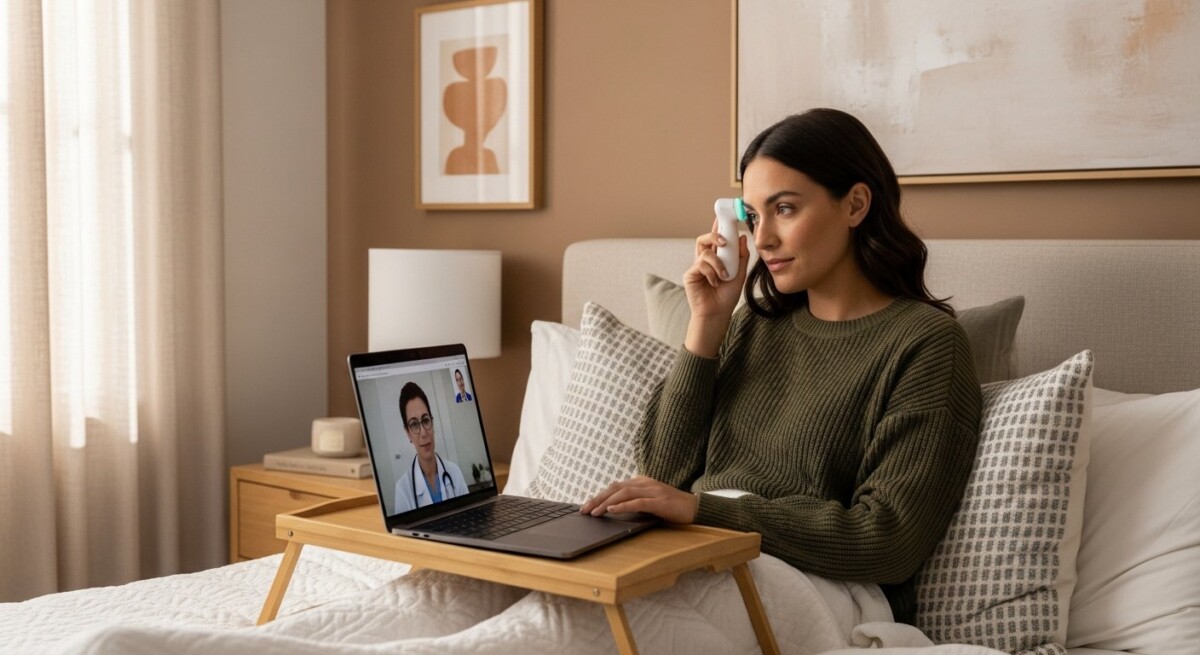
For millions of people, a migraine is not just a headache. It is a debilitating neurological event, often accompanied by nausea, light sensitivity, and aura, that can derail days and diminish quality of life. The traditional path to relief, involving scheduling an in-person doctor’s appointment, traveling to a clinic, and waiting in a bright, noisy room while in pain, can feel like an insurmountable barrier, even a form of torture during an attack. This is where the modern solution of telehealth for migraine relief transforms the patient experience. By connecting patients with licensed healthcare providers through secure video, phone, or messaging platforms, telehealth dismantles these barriers, offering timely, effective, and convenient care from the comfort of home. This comprehensive guide explores how virtual care is revolutionizing migraine management, from initial diagnosis and acute treatment to long-term prevention strategies.
The Migraine Management Challenge and the Telehealth Solution
Migraines are complex and highly individual. Effective management typically requires a nuanced approach that combines accurate diagnosis, appropriate acute medications to stop an attack in progress, and potentially preventive therapies to reduce frequency and severity. The episodic nature of migraines makes continuity of care difficult. A patient may be fine during a scheduled in-person check-up but desperate for help during a sudden, severe attack at an inconvenient time. Telehealth directly addresses this mismatch. It provides a direct line to care when it is needed most. A virtual consultation can be accessed from a dark, quiet room during an attack, allowing the provider to assess symptoms in real-time and prescribe rescue medications. Furthermore, telehealth platforms facilitate regular follow-ups to adjust prevention plans without the hassle of travel, making consistent management more achievable. This model aligns perfectly with the need for flexible, responsive care that chronic conditions like migraine demand.
What to Expect During a Telehealth Visit for Migraines
A telehealth appointment for migraine relief is structured to gather comprehensive information to guide treatment, mirroring the key components of an in-person visit but through a digital medium. The process is designed for efficiency and depth.
Before the visit, you will likely complete detailed intake forms about your medical history and migraine patterns. During the consultation, the provider will discuss your symptoms, triggers, frequency, severity, and the impact on your life. They may ask you to describe the pain location and type, the presence of aura, associated symptoms like nausea, and what, if anything, has helped in the past. Be prepared to discuss all current medications and supplements. To aid diagnosis, the provider might ask you to track your migraines in a diary or app between visits, noting potential triggers like stress, diet, sleep changes, or hormonal cycles. Based on this assessment, the provider can develop a personalized treatment plan. For many patients, this initial consultation can be a turning point, offering a clear path forward without the stress of a clinical visit. For a deeper look at the consultation process, our resource on getting migraine relief fast with an online doctor outlines the typical steps and preparations.
Conditions Ideal for Telehealth Migraine Care
Telehealth is exceptionally well-suited for several specific scenarios in migraine management. It is ideal for follow-up visits to monitor the effectiveness of a preventive medication and adjust dosages. It serves as an excellent platform for acute care consultations to address a breakthrough attack and obtain prescriptions for rescue medications. Patients seeking initial evaluation and diagnosis for chronic headaches can also benefit greatly, as can those who require education on lifestyle modifications, trigger identification, and non-pharmacological strategies. Furthermore, individuals who have difficulty accessing specialty care due to geographic or mobility constraints find telehealth to be a vital bridge to expert guidance. However, it is crucial to note that telehealth has limits. It is not appropriate for sudden, severe headaches described as “the worst of your life,” headaches accompanied by fever, stiff neck, confusion, or neurological deficits like weakness or slurred speech. These symptoms require immediate in-person emergency evaluation.
Building Your Comprehensive Migraine Treatment Plan via Telehealth
A robust migraine management plan created through telehealth often involves multiple pillars. The virtual care model excels at coordinating these elements over time.
The first pillar is acute treatment. This includes medications like triptans, gepants, or NSAIDs taken at the onset of a migraine to halt its progression. Your telehealth provider can prescribe these and offer guidance on proper use. The second pillar is preventive therapy. For patients with frequent or severe migraines, daily medications such as beta-blockers, anticonvulsants, CGRP monoclonal antibodies, or even certain antidepressants may be recommended. Telehealth is perfect for managing these ongoing prescriptions and monitoring for side effects. The third pillar is lifestyle and behavioral modification. Your provider can counsel you on identifying and avoiding personal triggers, maintaining sleep hygiene, managing stress through techniques like cognitive behavioral therapy (CBT) or biofeedback, and staying hydrated. The fourth pillar involves addressing comorbidities. Conditions like anxiety, depression, and sleep disorders are common in migraineurs and can worsen migraine frequency. A telehealth provider can screen for these and either treat them or refer you to appropriate virtual specialists, creating a holistic care approach.
Integrating At-Home Testing and Digital Tools
Modern telehealth for migraine relief extends beyond the video call. It can integrate with digital health tools to provide a more complete picture of your health. Many platforms, including Doctors Home, offer access to at-home testing kits. These can be valuable for ruling out other conditions or monitoring factors related to migraines. For instance, a basic metabolic panel or nutrient test might identify deficiencies linked to headaches. Furthermore, numerous migraine tracking apps allow patients to log attacks, symptoms, medications, and potential triggers, generating reports that can be easily shared with their telehealth provider during a consultation. This data-driven approach enables more precise treatment adjustments. The provider can review months of tracked data in minutes, identifying patterns that would be impossible to recall in a traditional 15-minute office visit, thus personalizing your care plan with greater accuracy.
Overcoming Barriers to Care and Ensuring Success
Telehealth effectively overcomes the most common barriers to consistent migraine care. The convenience of attending an appointment from home eliminates travel time, reduces missed work, and is a lifeline for those in rural areas or with mobility issues. It also provides access to a broader network of providers, including headache specialists who may not be available locally. To ensure a successful telehealth experience for migraine relief, consider the following practical steps:
- Prepare your history: Write down details of your migraine history, previous treatments, and current medications before the appointment.
- Test your technology: Ensure your device’s camera, microphone, and internet connection are working in the room you plan to use.
- Create a conducive environment: Choose a quiet, private, and dimly lit space where you can communicate comfortably, especially if you are mid-attack.
- Have your pharmacy information ready: Know the name and location of your preferred pharmacy for e-prescriptions.
- Prepare questions: List your most pressing concerns and goals for treatment to make the most of your time with the provider.
Following these steps empowers you to be an active participant in your care. The seamless integration of virtual consultations with prescription services means your treatment plan can be implemented immediately. After a consultation, your provider can electronically send prescriptions to your local pharmacy or a partnered digital pharmacy for home delivery, closing the loop on care rapidly. This end-to-end service model is a cornerstone of effective modern telehealth platforms focused on patient outcomes.
Frequently Asked Questions About Telehealth for Migraine Relief
Can I get a prescription for migraine medication through telehealth?
Yes, absolutely. Licensed healthcare providers on telehealth platforms can prescribe a wide range of migraine-specific medications, including triptans, gepants, NSAIDs, and preventive medications, provided they deem it medically appropriate based on a thorough evaluation of your history and symptoms. Controlled substances are subject to strict federal and state regulations, and their prescription via telehealth may have additional limitations.
Is telehealth for migraines covered by insurance?
Coverage varies widely. Many private insurers, Medicare, and Medicaid now cover telehealth visits similarly to in-person visits. It is essential to check with your specific insurance provider to understand your plan’s coverage details, including any copays or deductibles that may apply for virtual care.
What if I need imaging or blood tests?
If your telehealth provider believes imaging (like an MRI) or lab work is necessary to rule out other causes of your headaches, they can order these tests for you. You will receive a requisition to get the tests done at a local lab or imaging center. The results are then sent back to your provider for review and discussion in a follow-up virtual visit.
Can I use telehealth for a migraine emergency?
No. Telehealth is not for emergencies. If you are experiencing a sudden, severe “thunderclap” headache, a headache with fever/stiff neck, confusion, loss of consciousness, weakness, or vision loss, you must call 911 or go to the nearest emergency room immediately.
How do I choose a reputable telehealth provider for migraines?
Look for platforms that employ licensed, board-certified medical professionals (doctors, nurse practitioners, physician assistants) with experience in neurology or headache medicine. Ensure the platform is secure, HIPAA-compliant, and transparent about fees. Services like Doctors Home are built specifically for legitimate medical consultations, connecting you directly to licensed providers who can offer comprehensive care, including exploring fast migraine relief through online consultation and integrating other diagnostic tools.
Telehealth for migraine relief represents a fundamental shift toward patient-centered, accessible, and effective neurological care. By providing timely access to expert guidance, simplifying medication management, and integrating digital tracking tools, it empowers individuals to take control of their condition outside the confines of a traditional clinic. For anyone whose life is interrupted by migraines, exploring a reputable telehealth service can be the first step toward achieving more pain-free days and a significantly improved quality of life.
About the Author: Michael Anderson




Sign up for our newsletter and Save 20% on Test Kits
"*" indicates required fields