

How Telehealth for Dermatology Transforms Skin Care Access
How Telehealth for Dermatology Transforms Skin Care Access
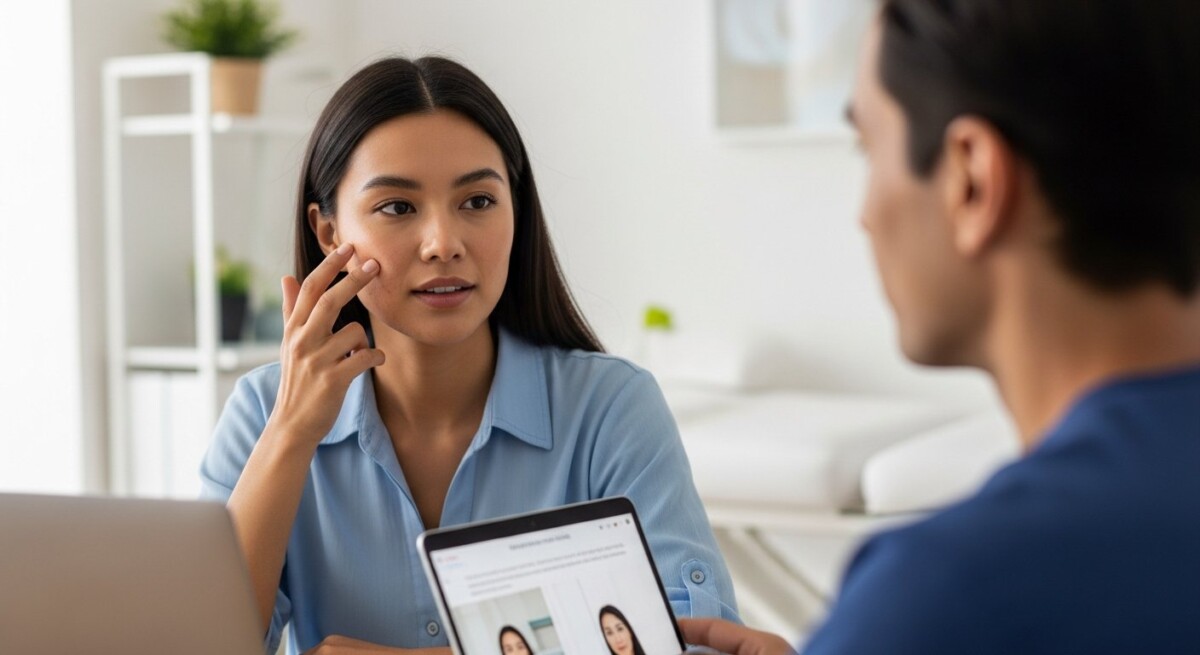
Imagine addressing a concerning rash, managing persistent acne, or getting a professional opinion on a changing mole without leaving your home, taking time off work, or waiting weeks for an appointment. This is the new reality of dermatology, a field uniquely suited to the digital age. Telehealth for dermatology, also known as teledermatology, leverages secure video calls and digital photography to connect patients with board-certified dermatologists remotely. It is dismantling traditional barriers to specialist care, offering a practical, efficient, and often more accessible pathway to skin health. For millions dealing with common conditions like acne, eczema, psoriasis, or rosacea, virtual dermatology provides a streamlined solution for consultation, diagnosis, and ongoing management, all through a smartphone or computer.
The Core Models of Teledermatology
Teledermatology operates primarily through two distinct yet complementary models: synchronous and asynchronous care. Understanding the difference is key to knowing what to expect from your virtual visit. Synchronous teledermatology is a live, interactive video consultation. It mimics a traditional office visit in real-time, allowing you and the dermatologist to see and speak with each other directly. This format is ideal for discussing symptoms in detail, showing the provider your skin concern live, and having a dynamic conversation about treatment options. It offers immediate interaction and is often used for follow-up visits or managing chronic conditions.
Asynchronous teledermatology, often called “store-and-forward,” involves capturing high-quality images of your skin condition and securely sending them, along with your medical history and concerns, to a dermatologist for review at a later time. The provider then analyzes the information and sends back a diagnosis, treatment plan, or recommendations, typically within a business day or two. This method is exceptionally efficient for straightforward evaluations, refills, or initial assessments of stable conditions. It eliminates the need for scheduling coordination and is a cornerstone of modern digital healthcare workflow. You can learn more about this process in our detailed resource on how asynchronous telemedicine works.
What Conditions Can Telehealth Dermatology Treat?
Virtual dermatology is remarkably versatile, effectively addressing a wide spectrum of skin, hair, and nail concerns. It is particularly well-suited for managing chronic inflammatory conditions that require ongoing supervision but not always a physical exam. For many patients, this model provides consistent, convenient care.
- Acne and Rosacea: These are among the most common reasons for virtual visits. Dermatologists can assess severity, prescribe topical or oral medications (like retinoids or antibiotics), and adjust treatment plans over time.
- Eczema (Atopic Dermatitis) and Psoriasis: Management of these chronic conditions often revolves around evaluating flare-ups, reviewing medication efficacy, and providing prescription renewals for creams, biologics, or other systemic therapies.
- Rashes and Allergic Reactions: Contact dermatitis, hives, and other inflammatory rashes can frequently be diagnosed via visual examination and patient history.
- Hair Loss (Alopecia) and Nail Fungus: These conditions can be evaluated through imagery, and treatment plans, including prescriptions, can be initiated.
- Skin Infections: Bacterial (like impetigo), fungal (like ringworm), and viral (like molluscum contagiosum) infections are often visually distinctive and treatable via telehealth.
- Benign Growths: Dermatologists can often reassure patients about harmless moles, skin tags, or seborrheic keratoses based on images.
- Follow-up and Medication Management: Virtual visits are perfect for checking in on treatment progress, managing side effects, and renewing long-term prescriptions.
It is crucial to understand the limits of telehealth for dermatology. Any lesion that is new, changing, bleeding, or otherwise suspicious for skin cancer requires an in-person evaluation, including a possible biopsy. Severe, widespread, or painful infections, and conditions requiring surgical or procedural intervention (like cyst removal or cosmetic procedures) also necessitate a clinic visit. A responsible telehealth provider will always prioritize patient safety and will recommend an in-person referral when necessary.
The Tangible Benefits for Patients and Providers
The adoption of telehealth in dermatology delivers significant advantages that extend beyond mere convenience. For patients, the most profound benefit is dramatically improved access. Individuals in rural or underserved areas, where dermatologists may be hours away, gain specialist access. People with mobility issues, demanding schedules, or transportation challenges find virtual care removes critical obstacles. It also reduces time commitments, eliminating travel and waiting room time, and can lower costs associated with missed work or childcare.
From a clinical perspective, telehealth promotes continuity of care. Patients are more likely to keep follow-up appointments when they are convenient, leading to better adherence to treatment plans and improved long-term outcomes for chronic conditions. For providers, telehealth allows for efficient time management, the ability to consult on cases across a wider geography, and a reduction in last-minute cancellations and no-shows. The integration of digital tools, including high-resolution image libraries and secure messaging, creates a more connected and data-rich patient record.
Preparing for Your Virtual Dermatology Appointment
To ensure a successful and productive telehealth visit, preparation is key. The quality of information you provide directly impacts the quality of care you receive. Start by gathering relevant details: note when the condition started, any symptoms (itching, pain, scaling), what makes it better or worse, and all products or medications you’ve tried. Have a list of your current medications and allergies ready.
The most critical step is capturing clear photographs. Use a good camera (your smartphone is ideal) in a well-lit room, preferably with natural light. Take multiple photos: a wide shot to show location on your body, and close-up shots that are in sharp focus. Include a reference object, like a coin, in one frame to indicate scale. If you have a specific question about getting treatment for a common condition like acne through this model, our guide on getting an acne prescription online offers practical steps. Before the appointment, test your technology. Ensure your device’s camera, microphone, and speaker work, your internet connection is stable, and you have downloaded any required patient portal app. Be in a quiet, private room with good lighting on your face.
Navigating Insurance, Costs, and Platform Safety
The regulatory and financial landscape for telehealth is evolving rapidly. Many private insurers, Medicare, and Medicaid now cover telehealth visits for dermatology, often at the same reimbursement rate as in-person visits. However, coverage details can vary. It is essential to verify with your insurance provider whether telehealth dermatology is a covered benefit, if there are any platform-specific requirements, and what your copay or deductible responsibility will be. Some telemedicine platforms, including Doctors Home, also offer transparent self-pay options for those without coverage or preferring a direct payment model, providing cost certainty without surprise bills.
Choosing a reputable platform is non-negotiable for safety and efficacy. Key indicators include: verification that all consulting providers are licensed dermatologists or qualified healthcare professionals in your state; the use of a HIPAA-compliant, secure video and messaging platform; clear protocols for handling prescriptions and referrals; and transparent pricing and privacy policies. A legitimate service will never guarantee a prescription but will instead provide a medical evaluation to determine if treatment is appropriate and safe.
Frequently Asked Questions About Teledermatology
Can I get a prescription through a telehealth dermatology visit?
Yes, if the dermatologist determines a prescription medication is medically appropriate for your diagnosed condition, they can electronically send a prescription to your local or mail-order pharmacy. Controlled substances have stricter regulations and may not be prescribed via telehealth in all cases.
How do I show the dermatologist my skin concern during a video visit?
During a live video consult, you will be guided to position your camera on the affected area. For hard-to-see spots, having a family member assist or using pre-submitted high-quality photos in conjunction with the live visit is common practice.
Is teledermatology as accurate as an in-person visit?
For many conditions, yes. Studies show high diagnostic concordance between virtual and in-person visits for a range of inflammatory and infectious conditions. However, for lesions suspicious for skin cancer or conditions requiring tactile examination (feeling the skin), an in-person visit is superior and necessary.
What if I need a procedure or a biopsy?
A responsible telehealth dermatologist will not perform procedures remotely. If your condition requires a biopsy, injection, freezing, or surgical removal, the provider will explain this and facilitate a referral to a local dermatologist or clinic for an in-person procedure.
Can I use telehealth for cosmetic dermatology concerns?
While some platforms may offer consultations for cosmetic concerns, the focus of most medical teledermatology is on diagnosing and treating medical skin conditions. Cosmetic treatments like Botox or fillers require in-person visits.
Telehealth for dermatology is not a fleeting trend but a fundamental and lasting enhancement to the healthcare ecosystem. It expertly marries the visual nature of skin care with modern digital communication tools, creating a patient-centric model that prioritizes access, efficiency, and continuity. By understanding its appropriate uses, preparing effectively for visits, and choosing reputable services, patients can confidently incorporate virtual dermatology into their healthcare routine. This approach empowers individuals to take proactive, convenient control of their skin health, ensuring that expert guidance is only a click away for the concerns that shape our daily lives and well-being.
About the Author: Robert Hayes




Sign up for our newsletter and Save 20% on Test Kits
"*" indicates required fields