
How Telehealth for Anxiety Treatment Is Changing Mental Health Care
How Telehealth for Anxiety Treatment Is Changing Mental Health Care

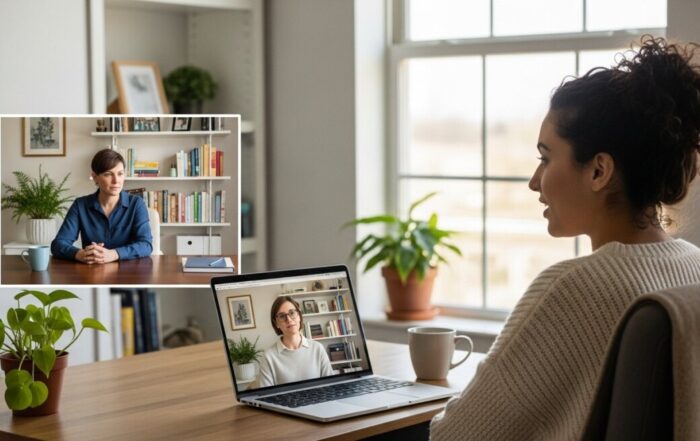
For millions of people, the thought of seeking help for anxiety is often overshadowed by the anxiety of the process itself: finding a provider, commuting to an office, sitting in a waiting room, and carving hours out of a busy schedule. These barriers, both logistical and psychological, have historically kept effective treatment out of reach. Today, a fundamental shift is underway. Telehealth for anxiety treatment is dismantling these obstacles, delivering evidence-based mental health care directly into the safety and comfort of a person’s home. This model is not merely a convenient alternative, it is a transformative approach that expands access, personalizes care, and aligns with the very nature of anxiety disorders, offering a path to healing that feels more manageable from the first step.
The Foundations of Effective Anxiety Treatment via Telehealth
Telehealth for anxiety is far more than a simple video call. It is a structured, clinical modality for delivering established, first-line treatments for anxiety disorders, including Generalized Anxiety Disorder (GAD), Social Anxiety Disorder, Panic Disorder, and others. The efficacy of this approach is supported by a growing body of research indicating that therapy delivered via videoconferencing can be as effective as in-person sessions for treating anxiety and depression. The core therapeutic models remain the same, adapted thoughtfully for a digital environment.
Cognitive Behavioral Therapy (CBT) is the gold standard for anxiety treatment and translates exceptionally well to telehealth. In a telehealth session, a therapist can still guide a patient through identifying distorted thought patterns, challenging catastrophic thinking, and developing more balanced perspectives. Tools like screen sharing allow for the collaborative review of thought records, diagrams of cognitive models, or exposure hierarchies. Similarly, Acceptance and Commitment Therapy (ACT) and mindfulness-based interventions are highly conducive to the telehealth format. Therapists can lead mindfulness exercises in real-time, and patients can practice grounding techniques in their own environment, which is ultimately the setting where they need to apply these skills.
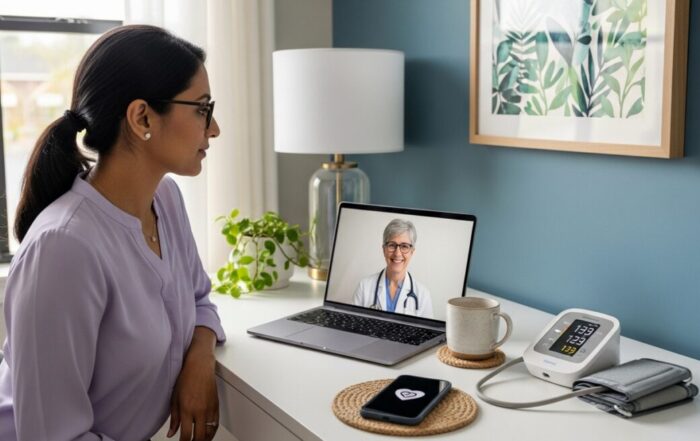
For treatment that may include medication, psychiatric evaluation and management are also a key component of telehealth services. Through virtual appointments, a psychiatrist or psychiatric nurse practitioner can conduct assessments, discuss medication options, manage prescriptions, and monitor side effects and efficacy. This integrated approach ensures that individuals who benefit from pharmacotherapy can access it seamlessly alongside their therapeutic work, all within a coordinated telehealth platform.
Tangible Benefits: Why Telehealth Resonates with Anxiety
The advantages of telehealth for anxiety treatment are particularly pronounced because they directly counter the common triggers and obstacles associated with these disorders. The benefits extend beyond simple convenience to create a therapeutic experience that can feel safer and more sustainable for the patient.
First, it dramatically increases access. Individuals in rural areas, those with mobility challenges, or people with demanding schedules who could not attend weekly in-person appointments can now connect with specialized providers. This also broadens the choice of therapist, allowing patients to find a clinician whose expertise and approach are the best fit, regardless of geographic location. Second, it reduces treatment anxiety. The comfort of being in one’s own space can lower the initial barrier to seeking help. For those with social anxiety or agoraphobia, the idea of leaving home to discuss deeply personal fears can be prohibitive, telehealth removes that hurdle entirely.
Third, it promotes consistency and engagement. The reduced logistical burden makes it easier to attend sessions regularly, which is critical for therapeutic progress. Life events like travel, mild illness, or inclement weather no longer necessitate cancellation. Furthermore, therapy can be more contextual and immediate. A therapist can guide a patient through a relaxation technique while they are in their actual living room, or help them process an anxious moment that just occurred in their home environment, making the coping strategies more relevant and anchored.
To summarize the core advantages, consider the following key benefits of telehealth for anxiety treatment:
- Enhanced Accessibility: Connects patients with specialists regardless of distance, overcoming geographic and mobility barriers.
- Reduced Initial Hurdle: Lowers the anxiety of seeking help by allowing patients to begin treatment from a safe, familiar space.
- Greater Consistency: Minimizes cancellations due to travel, weather, or minor illness, supporting steady therapeutic progress.
- Real-World Application: Facilitates practice of coping skills in the exact environment where anxiety is often experienced.
- Integrated Care: Streamlines collaboration between therapists and prescribing providers within a single platform.
Preparing for and Maximizing Your Telehealth Experience
To get the most out of telehealth for anxiety treatment, a small amount of preparation can significantly enhance the quality and focus of sessions. This begins with the technical setup. Ensure you have a reliable internet connection, a device with a functioning camera and microphone (a computer or tablet is often preferable to a phone for stability), and that you have downloaded and tested the required software platform beforehand. Choose a private, quiet location where you will not be interrupted for the duration of your session. Inform others in your household of your appointment to ensure privacy. This dedicated space signals to your brain that it is time for therapeutic work, helping to create a mental boundary similar to entering a therapist’s office.
During the session, strive for the same level of engagement as an in-person visit. Position your camera so your face is clearly visible, and try to look at the camera when speaking to simulate eye contact. Have a notebook handy to jot down insights, homework assignments, or questions. It can be helpful to have a list of topics or recent challenges you want to discuss ready at the start of the session. Remember, your therapist is a trained professional conducting therapy through a medium, the core of the therapeutic relationship remains intact. Be open about any discomfort with the format, a good therapist will work with you to make the virtual space feel comfortable and effective.
Addressing Common Questions and Concerns
As with any new approach, individuals considering telehealth for anxiety treatment often have specific questions. Addressing these concerns directly is crucial for making an informed decision about your care.
Is telehealth for anxiety treatment as effective as in-person therapy?
Numerous studies and meta-analyses have concluded that teletherapy, particularly for anxiety and depression, produces outcomes equivalent to in-person therapy. The therapeutic alliance, a key predictor of success, can be successfully developed and maintained through video. The effectiveness hinges on the use of evidence-based practices by a qualified provider, not the physical presence in the same room.
How do I handle a crisis or severe anxiety attack during telehealth?
Reputable telehealth providers have clear protocols for crisis situations. At the start of treatment, your therapist should discuss a safety plan with you, which includes local crisis hotlines, emergency room locations, and contacts for support people. It is essential that your therapist knows your physical location (city and state) in case emergency services need to be alerted. Telehealth is ideal for ongoing management and building preventative skills, but it is not a substitute for emergency care in an acute, life-threatening situation.
What about insurance coverage and costs?
Coverage for telehealth mental health services has expanded dramatically, especially following changes in regulations. Many private insurance plans, Medicare, and Medicaid now cover telehealth visits at parity with in-person visits, meaning your copay or coinsurance is often the same. It is always advisable to check with your specific insurance provider to confirm your benefits. Many dedicated telehealth platforms also offer self-pay options with transparent pricing, which can sometimes be more affordable than traditional in-person therapy without insurance.
Can I get prescribed anxiety medication through telehealth?
Yes, licensed psychiatric providers can evaluate, prescribe, and manage medications for anxiety via telehealth. However, regulations regarding controlled substances (like certain benzodiazepines) vary significantly by state and are subject to federal rules. Most providers can prescribe non-controlled medications such as SSRIs or SNRIs via telehealth following a comprehensive evaluation. It is important to choose a licensed service that employs credentialed psychiatric professionals who adhere to your state’s medical laws.
Looking Ahead: The Integrated Future of Mental Health Care
The integration of telehealth into the mental health landscape is not a temporary trend but a permanent and evolving component of a modern care system. Its role in anxiety treatment is particularly vital, offering a modality that is both clinically robust and uniquely patient-centered. By prioritizing accessibility, comfort, and consistency, telehealth empowers individuals to engage with treatment on terms that feel more manageable. It complements traditional in-person options, creating a blended ecosystem where the right level of care can be delivered in the right way at the right time. For anyone hesitating on the threshold of seeking help for anxiety, telehealth provides a powerful, evidence-based pathway forward, one that starts exactly where you are.
About the Author: Michael Anderson



Sign up for our newsletter and Save 20% on Test Kits
"*" indicates required fields