

How Telehealth Cardiology Services Are Transforming Heart Care
How Telehealth Cardiology Services Are Transforming Heart Care

Imagine managing a chronic heart condition, monitoring your blood pressure, or getting expert advice after a concerning symptom without leaving your home, missing work, or sitting in a waiting room. This is the new reality of cardiac care, delivered directly to you through virtual channels. Telehealth cardiology, also known as cardiology telemedicine or virtual heart care services, represents a seismic shift in how cardiovascular health is monitored, managed, and treated. By leveraging secure video conferencing, remote monitoring devices, and digital communication platforms, these services break down traditional barriers of geography, mobility, and time, offering a lifeline to patients in rural areas, those with transportation challenges, and anyone seeking more convenient and continuous care. This model is not a replacement for all in-person cardiology but a powerful, integrated component of a modern, patient-centered healthcare strategy.
The Core Components of Virtual Heart Care
Telehealth cardiology is far more than a simple video call with a doctor. It is a multifaceted ecosystem designed to provide comprehensive cardiac support. At its foundation are synchronous video consultations, which allow for face-to-face discussions about symptoms, medication adjustments, and treatment plans. These visits are ideal for routine follow-ups, medication management for conditions like hypertension or atrial fibrillation, and discussing test results. The second critical component is asynchronous communication, often through secure patient portals. This enables the sharing of data, such as EKG readings from a personal device, blood pressure logs, or weight tracking, allowing the care team to review information on their own time and provide feedback.
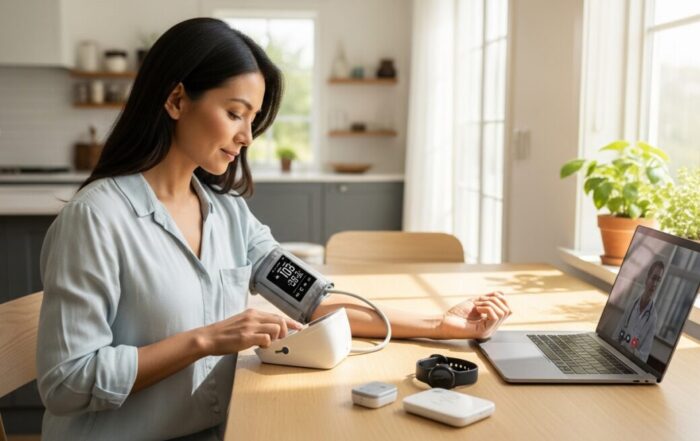
Perhaps the most transformative element is remote patient monitoring (RPM). Patients use FDA-cleared devices at home, such as Bluetooth-enabled blood pressure cuffs, weight scales, pulse oximeters, and even single-lead EKG patches like a KardiaMobile. These devices transmit data automatically to a secure platform where clinicians can monitor trends and receive alerts for dangerous readings. This continuous data stream provides a much richer picture of a patient’s health than sporadic office readings, enabling earlier intervention. Finally, digital health integration connects all these pieces, often through a smartphone app or web platform, creating a centralized hub for appointments, messaging, educational resources, and data visualization. This holistic approach is detailed further in resources that explore the full spectrum of virtual care models, such as our guide on virtual health care services and their evolving capabilities.
Who Benefits from Cardiology Telemedicine?
The applications for telehealth cardiology are vast and address significant gaps in traditional care delivery. One of the most profound benefits is for patients in medically underserved or rural areas, where specialist cardiologists may be hours away. Virtual visits eliminate the burden of long-distance travel, making specialist care accessible. Similarly, patients with mobility issues, those who lack reliable transportation, or elderly individuals find virtual care to be a safer, more feasible option. For the management of chronic conditions, telehealth is a game-changer. Patients with heart failure, coronary artery disease, hypertension, and arrhythmias require consistent monitoring and frequent medication tweaks. Virtual check-ins combined with remote monitoring allow for tighter control without constant office visits.
Post-operative and post-hospitalization care is another critical area. After a procedure like a stent placement or heart surgery, patients can have virtual follow-ups to check incision sites, discuss recovery progress, and manage medications, reducing readmission risks. Furthermore, telehealth cardiology excels in secondary prevention and cardiac rehabilitation. Patients can participate in guided rehab sessions, nutritional counseling, and lifestyle coaching from home, improving adherence to life-saving programs. It also serves as an excellent tool for triage and second opinions. A patient experiencing non-emergent palpitations or dizziness can quickly consult a cardiologist to determine if an in-person ER visit is necessary or if the issue can be managed outpatient, reducing unnecessary healthcare utilization and patient anxiety.
The Tangible Advantages for Patients and Health Systems
The adoption of virtual heart care services delivers measurable benefits across the healthcare spectrum. For patients, the most immediate advantage is unparalleled convenience and time savings. There is no commute, no parking fee, and minimal time away from work or family responsibilities. This reduces stress, a known contributor to cardiovascular disease. Improved access, as mentioned, is a fundamental benefit, democratizing specialist care. Perhaps most importantly, telehealth facilitates better health outcomes through enhanced engagement and continuity. When care is easier to access and integrated into daily life via monitoring devices, patients become more active participants in their health management.
For healthcare providers and systems, telehealth cardiology expands the reach of specialists, optimizes schedules by reducing no-shows (often caused by transportation issues), and allows for more efficient management of chronic disease populations. It can also reduce hospital readmission rates for conditions like heart failure through proactive, data-driven interventions at home. From a public health perspective, these services help lower overall healthcare costs by preventing costly emergency room visits and hospitalizations through early detection and management. The model supports a shift from reactive, episodic care to proactive, preventive, and continuous care, which is the cornerstone of effective chronic disease management.
Essential Technology and Patient Readiness
Successful participation in telehealth cardiology requires some basic technological preparedness. Patients need a reliable internet connection and a device with a camera and microphone, such as a smartphone, tablet, or computer. They must be comfortable downloading and using the required secure video platform or patient portal app. For remote monitoring, they will need the prescribed devices and basic instruction on their use. Clinicians, on the other hand, require a robust, HIPAA-compliant telehealth platform integrated with their electronic health record (EHR). They need workflows that efficiently blend virtual and in-person visits and staff trained to support patients with technology setup. The most advanced programs use specialized digital health platforms that aggregate data from various home devices into a clinician dashboard, flagging anomalies for review.
Navigating Limitations and Ensuring Effective Care
While powerful, telehealth cardiology has inherent limitations that must be acknowledged to ensure safe and effective care. The most obvious is the inability to perform a hands-on physical exam. A cardiologist cannot listen to heart sounds (auscultate) or feel for edema (swelling) through a screen. This makes the initial diagnosis of a new, complex condition challenging and often necessitates an in-person visit. Certain critical symptoms, such as chest pain with associated features like sweating or shortness of breath, are absolute red flags that require immediate emergency room evaluation, not a scheduled virtual appointment. The digital divide remains a significant barrier; not all patients have the necessary technology, broadband access, or digital literacy to engage fully.
To mitigate these limitations, the best virtual heart care programs operate within a hybrid care model. They use telehealth for appropriate follow-up and monitoring but seamlessly schedule in-person visits when a physical exam, blood draw, or advanced imaging (like an echocardiogram or stress test) is required. The patient’s candidacy for telehealth is carefully assessed. Furthermore, platforms like Doctors Home are designed to bridge the access gap for specific needs, offering a straightforward path to virtual consultations for managing ongoing conditions or discussing concerning symptoms with a licensed professional, thereby acting as a vital component of a broader cardiac care strategy.
Implementing Telehealth in Your Cardiac Care Plan
If you are considering virtual heart care services, taking a structured approach will ensure you get the most out of the experience. First, consult with your primary care physician or current cardiologist. Ask if they offer integrated telehealth cardiology services or if they can recommend a reputable program. When selecting a service, verify that the cardiologists are board-certified, licensed in your state, and that the platform uses HIPAA-compliant, secure technology. Inquire about the scope of services: do they offer only consultations, or do they also manage remote monitoring and coordinate with local labs for tests?
Prepare for your first virtual visit as you would for an in-person appointment. Have a list of your current medications, doses, and any recent test results ready. Write down your questions and symptoms, including their frequency and severity. Ensure your technology is charged and working, and log in to the platform a few minutes early. If remote monitoring is part of your plan, be consistent and honest in your data reporting. The value of the service is directly tied to the quality of information you provide. Remember, telehealth is a tool for partnership. Use it to communicate openly, understand your treatment plan, and actively engage in managing your heart health from the comfort of your home.
Common Services Offered Through Virtual Cardiology
To understand the practical scope, here are specific clinical scenarios ideally suited for telehealth cardiology consultations:
- Follow-up visits for stable chronic conditions like hypertension, hyperlipidemia, or stable coronary artery disease.
- Medication management and titration for blood pressure, heart rate, or cholesterol medications.
- Review of home monitoring data from blood pressure cuffs, weight scales, or portable EKG devices.
- Discussion of cardiac test results (e.g., blood tests, Holter monitor reports, stress test results).
- Lifestyle counseling for diet, exercise, smoking cessation, and stress management as part of cardiac rehab.
- Post-discharge follow-up after hospitalization for heart failure or arrhythmia to prevent readmission.
- Pre-operative cardiovascular risk assessment and clearance for non-cardiac surgery.
This list highlights how virtual care integrates into the longitudinal journey of a cardiac patient, filling the gaps between necessary in-person procedures and evaluations.
Frequently Asked Questions About Telehealth Cardiology
Is telehealth cardiology as effective as in-person visits?
For many specific use cases, such as routine follow-up and chronic disease management, studies show it is equally effective in terms of clinical outcomes, patient satisfaction, and medication adherence. It is most effective when used as part of a hybrid model where in-person visits are scheduled for necessary physical exams and procedures.
Will my insurance cover virtual heart care visits?
Coverage has expanded dramatically, especially since the COVID-19 pandemic. Medicare, Medicaid, and most private insurers now cover telehealth cardiology services. However, coverage details (like copays) can vary, so it is crucial to check with your specific insurance plan before your appointment.
What if I have a medical emergency during a virtual visit?
Licensed cardiologists are trained to identify red-flag symptoms. If your clinician determines your symptoms suggest an emergency, such as a possible heart attack, they will instruct you to call 911 immediately. They can also communicate with your local emergency department to facilitate your care.
Can I get a prescription through a telehealth cardiology appointment?
Yes, if the cardiologist deems it medically appropriate, they can electronically send prescriptions to your pharmacy of choice. This is common for refills and new medications related to managed conditions. However, prescriptions for controlled substances may have stricter regulations that vary by state.
What equipment do I need for remote monitoring?
Your cardiology team will prescribe or recommend specific devices. Common tools include a Bluetooth-enabled blood pressure monitor, a smart weight scale, a pulse oximeter, and sometimes a personal EKG monitor. The clinic often provides guidance on purchasing and setting up these devices to transmit data securely.
The integration of telehealth cardiology and virtual heart care services into the medical mainstream is no longer a futuristic concept, it is a present-day necessity that enhances quality, access, and efficiency. By understanding its components, benefits, and ideal applications, patients can confidently embrace this model as a powerful tool for maintaining and improving their cardiovascular health. As technology and reimbursement models continue to evolve, virtual care will become an even more seamless and indispensable part of a comprehensive, patient-centered approach to heart health, ensuring that expert cardiac care is just a click away.
About the Author: Michael Anderson




Sign up for our newsletter and Save 20% on Test Kits
"*" indicates required fields