

How Electronic Healthcare Systems Power Modern Telemedicine
How Electronic Healthcare Systems Power Modern Telemedicine

The landscape of healthcare delivery has undergone a seismic shift, moving from a model centered on physical clinics to one increasingly accessible through digital screens. At the heart of this transformation lies a sophisticated technological backbone: electronic healthcare systems. These integrated platforms are far more than digital filing cabinets, they are the critical infrastructure that makes remote diagnosis, treatment, and patient management not only possible but effective and secure. Without a robust electronic health care system, telemedicine would be little more than a video call, lacking the clinical depth and continuity of care that defines modern medicine. This article explores how these systems form the operational core of virtual care, enabling everything from seamless patient-provider interactions to secure data exchange and integrated treatment plans.
The Foundational Components of Electronic Healthcare Systems
To understand their role in telemedicine, one must first dissect the key components of a modern electronic healthcare record system. At its simplest, an EHR is a digital version of a patient’s paper chart. However, contemporary systems are profoundly more dynamic. They are real-time, patient-centered records that make information available instantly and securely to authorized users across different healthcare settings. A comprehensive system typically includes several integrated modules: a patient portal for direct engagement, clinical decision support tools, e-prescribing capabilities, lab and imaging integration interfaces, and robust billing and administrative functions.
The true power of these systems in a telemedicine context is interoperability. This refers to the ability of different information systems, devices, and applications to access, exchange, integrate, and cooperatively use data in a coordinated manner. For a patient consulting with a remote specialist, this means their primary care physician’s notes, recent lab results from a local clinic, and medication lists from a digital pharmacy can all be synthesized within a single, coherent patient view. This holistic perspective is what allows a telemedicine provider to make informed clinical decisions without the patient physically present. The electronic healthcare system becomes the virtual examination room, aggregating all necessary diagnostic information.
Enabling the Telemedicine Workflow: From Scheduling to Follow-Up
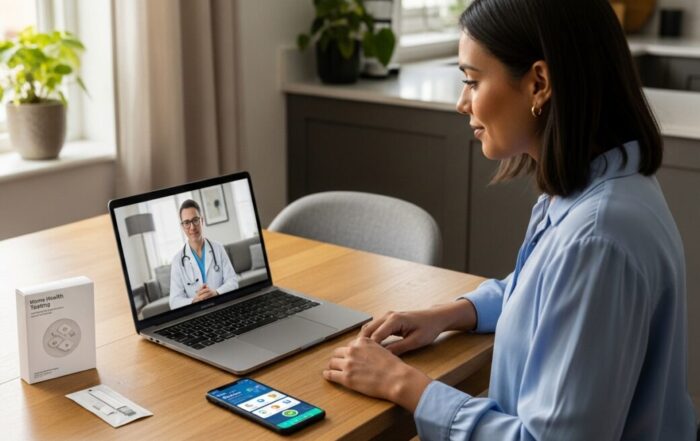
Electronic healthcare systems streamline the entire telemedicine encounter, creating an efficient and patient-friendly journey. The process typically begins with integrated scheduling, where patients can book virtual appointments directly through a patient portal linked to the EHR. This portal often includes automated reminders and the ability to complete digital intake forms, medical history updates, and consent documents prior to the visit. This pre-visit data collection is crucial, as it gives the provider context before the video consultation even begins, maximizing the valuable face-to-face virtual time for clinical assessment and discussion.
During the virtual visit, the provider leverages the EHR in several key ways. They can review the patient’s full history, track chronic conditions like diabetes or hypertension through trended data, and document the encounter in real-time using structured templates designed for telehealth. The integration of clinical decision support can alert the provider to potential drug interactions if a new prescription is considered. Perhaps most importantly, the e-prescribing module allows the provider to send prescriptions electronically directly to the patient’s pharmacy of choice, a seamless conclusion to the consult that eliminates paper and delay. For services that integrate at-home testing, like certain STI or wellness panels, the EHR can also manage the kit fulfillment process and later integrate the results directly into the patient’s record when they are available.
Data Security and Privacy in a Virtual Setting
A paramount concern in digital health is the protection of sensitive patient information. Electronic healthcare systems designed for telemedicine are built with stringent security protocols that often exceed the safeguards of traditional paper records. They employ end-to-end encryption for data transmission, ensuring that video consultations and shared documents cannot be intercepted. Access is controlled through multi-factor authentication and role-based permissions, meaning only authorized clinicians involved in a patient’s care can view their full record. Furthermore, these systems are designed to be compliant with regulations like HIPAA (Health Insurance Portability and Accountability Act) in the U.S., which sets the standard for protecting sensitive patient data. This built-in security framework is what allows platforms to operate with confidence, ensuring patient privacy is maintained even when care is delivered remotely.
Tangible Benefits for Patients and Providers
The synergy between electronic healthcare systems and telemedicine generates significant advantages for all stakeholders in the healthcare ecosystem. For patients, the most immediate benefit is dramatically improved access. Geographic and mobility barriers dissolve, allowing individuals in rural areas, those with transportation challenges, or people with demanding schedules to receive timely care. This is especially vital for managing chronic diseases that require regular monitoring, as virtual check-ins can be more frequent and convenient. The patient portal component empowers individuals by giving them direct access to their health information, educational resources, and secure messaging with their care team, fostering a more collaborative relationship.
For healthcare providers and platforms, the efficiencies are substantial. Integrated electronic healthcare systems reduce administrative burdens associated with traditional care, such as manual filing and phone-based prescription renewals. They enable providers to extend their reach and optimize their panel management. From a clinical quality perspective, these systems support better care coordination. When a patient uses a telemedicine service for an acute issue, like a potential eye allergy or herpes outbreak, the encounter documentation can be seamlessly shared with their primary care physician if permitted, ensuring all providers are informed. This continuity is the cornerstone of effective, long-term health management and avoids the pitfalls of fragmented, episodic care.
The core benefits facilitated by this integration can be summarized as follows:
- Enhanced Access and Convenience: Care is available anytime, anywhere, reducing no-show rates and enabling proactive management.
- Improved Care Coordination: All authorized providers share a single, updated source of truth for patient data, reducing errors and duplication.
- Increased Patient Engagement: Portals and messaging tools encourage patients to take an active role in their health journey.
- Operational Efficiency: Automated workflows for scheduling, documentation, and prescribing free up clinical time for direct patient care.
- Data-Driven Insights: Aggregated, anonymized data from EHRs can help identify population health trends and improve service offerings.
The Future: Integration with AI and Advanced Home Diagnostics
The evolution of electronic healthcare systems is moving towards even greater intelligence and patient-centricity. A major frontier is the integration of Artificial Intelligence (AI). AI algorithms can be embedded within EHRs to analyze vast amounts of patient data, identifying subtle patterns that might predict health deteriorations, suggesting personalized treatment pathways, or automating routine documentation tasks. For telemedicine, this could mean an AI assistant that preps a patient chart before a visit, highlighting relevant trends in blood pressure or glucose levels for the provider’s immediate attention.
Another transformative area is the deeper integration of data from wearable devices and at-home testing kits. Modern electronic healthcare systems are developing APIs (Application Programming Interfaces) that can securely ingest data from a patient’s smartwatch, Bluetooth-connected blood pressure cuff, or glucose monitor. Furthermore, as services expand their offerings to include at-home lab kits for various conditions, the results from these tests can be automatically populated into the patient’s EHR. This creates a continuous feedback loop where remote monitoring data informs virtual follow-up consultations, making chronic disease management through telemedicine exceptionally precise and responsive. This seamless flow of information from the patient’s home to their digital chart is the next step in making healthcare truly proactive and personalized.
Frequently Asked Questions
How secure is my health information during a telemedicine visit?
Reputable telemedicine platforms use electronic healthcare systems with security as a foundational priority. This includes HIPAA-compliant video software, end-to-end encryption for all data transmission, and secure servers for storing your health records. Always ensure the platform you use explicitly states its compliance with healthcare privacy laws.
Can a telemedicine provider access my medical records from my regular doctor?
Only if there is established interoperability between systems and you have provided consent. Often, you may need to manually share records or authorize a release of information. The ideal future state, which many systems are working towards, is seamless, consent-based data sharing between different healthcare providers’ EHR systems.
What happens if I need a prescription after a telemedicine consultation?
This is a core function of integrated electronic healthcare systems. If the provider determines a prescription is medically appropriate, they can use the e-prescribing (eRx) module within the EHR to send the prescription electronically directly to your chosen pharmacy. This process is secure, fast, and eliminates the need for a paper script.
Are telemedicine visits documented in a formal medical record?
Yes. A legitimate telemedicine service will document your consultation in an electronic health record just as an in-person visit would be. This includes your reason for the visit, the provider’s assessment, any advice given, and prescriptions ordered. This documentation is essential for continuity of care and is your legal medical record.
How do platforms handle situations that require urgent or in-person care?
A key responsibility of any telemedicine provider is to recognize the limits of remote care. A robust electronic healthcare system will include protocols and clinical guidelines to help providers identify red flags. If your condition requires immediate hands-on evaluation (e.g., severe chest pain, difficulty breathing), the provider will direct you to the nearest emergency room or urgent care center and may facilitate the transfer of your visit notes to that facility if possible.
The integration of advanced electronic healthcare systems is what elevates telemedicine from a simple convenience to a legitimate, powerful mode of healthcare delivery. These systems provide the structure, security, and intelligence necessary for remote clinical decisions, ensuring that virtual care is safe, effective, and continuous. As technology advances, this synergy will only deepen, further blurring the lines between physical and digital care to create a more accessible, efficient, and patient-empowered health system. For those seeking immediate access to care, understanding that a platform’s underlying technology is as important as its provider network is key to a positive experience, a point explored in our resource on how to connect with a 24 hour telemedicine doctor online today.
About the Author: Robert Hayes




Sign up for our newsletter and Save 20% on Test Kits
"*" indicates required fields