

How EHR Systems Power Modern Telehealth Success
How EHR Systems Power Modern Telehealth Success
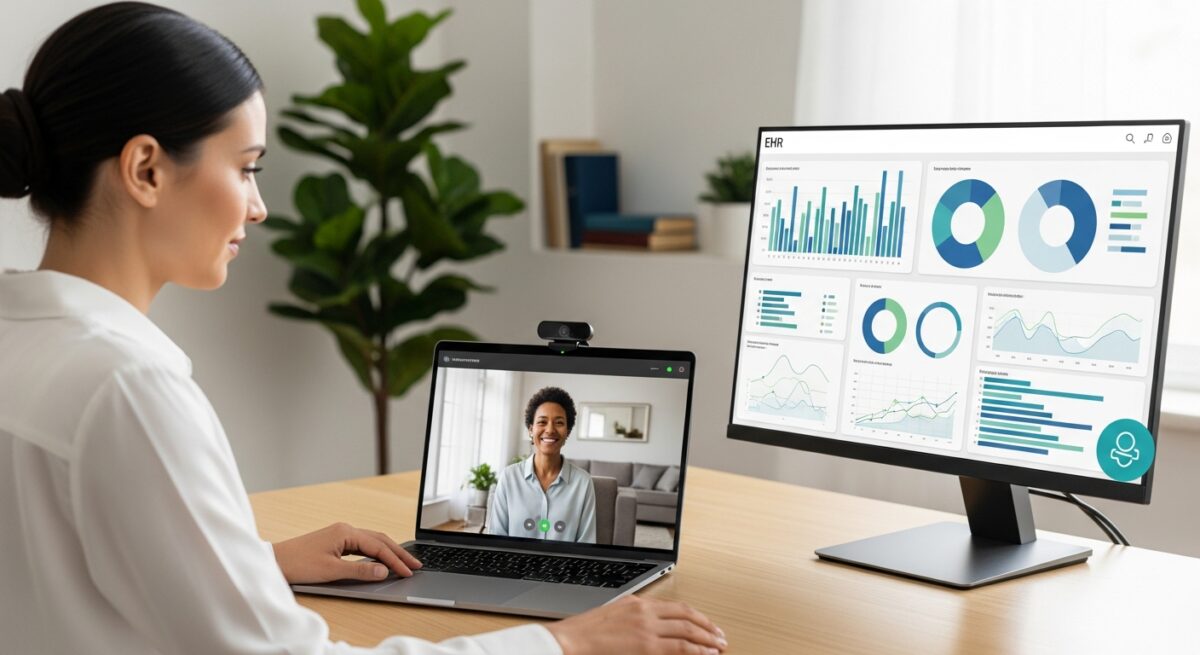
The rapid expansion of telehealth has fundamentally changed how patients access care, but the engine powering this transformation is often unseen: the electronic health records system. For a virtual visit to be more than just a video call, it must be securely integrated into a patient’s complete medical narrative. This is where a purpose-built electronic health record system for telehealth becomes the critical backbone, ensuring continuity, safety, and clinical efficacy. Without this integration, telehealth risks becoming a fragmented, isolated service rather than a seamless extension of modern healthcare delivery. The right electronic medical records system bridges the physical and digital divide, creating a unified patient record accessible to providers whether the consultation happens in an office or through a screen.
The Essential Role of EHRs in a Virtual Care Ecosystem
At its core, an electronic health record (EHR) is a digital version of a patient’s paper chart. It is a real-time, patient-centered record that makes information available instantly and securely to authorized users. While a basic electronic medical records system might track a patient’s history within a single practice, a comprehensive EHR goes further, encompassing a broader view of a patient’s care across multiple providers, including labs, specialists, and pharmacies. In telehealth, this distinction is paramount. A virtual visit is not an isolated event, it is a clinical encounter that must be documented, billed, and integrated into the patient’s ongoing care plan with the same rigor as an in-person appointment.
The integration of telehealth platforms with robust electronic health records systems solves several critical challenges. It eliminates the need for double data entry, reducing administrative burden and the risk of errors. It ensures the telehealth provider has immediate access to the patient’s full medical history, current medications, allergies, and recent lab results, enabling informed clinical decisions during the virtual visit. Furthermore, it automatically populates the encounter note into the patient’s permanent record, maintaining a complete and chronological history. This seamless flow of information is what transforms a simple video conferencing tool into a legitimate clinical telehealth service, like those offered by platforms integrating virtual care directly into patient management.
Key Features of a Telehealth-Optimized EHR System
Not all electronic health record systems are created equal for telehealth purposes. A system designed primarily for in-person clinic workflows may lack the specific features that make virtual care efficient and secure. A telehealth-optimized electronic health record system will possess a suite of integrated functionalities that support the unique needs of remote consultations.
First and foremost is native video conferencing or deep, API-driven integration with a dedicated telehealth platform. This should be a secure, HIPAA-compliant video solution that launches directly from within the EHR patient chart, avoiding the need for separate logins or insecure consumer-grade software. Scheduling tools must also be adapted, allowing patients to book telehealth-specific appointment types that automatically generate the correct visit link and instructions. The system should support asynchronous telehealth (or “store-and-forward”) where applicable, enabling secure photo or document upload from patients for conditions like dermatology, which can then be attached directly to their chart for review.
Beyond the visit itself, the EHR must facilitate all peripheral activities. This includes integrated patient portals for pre-visit questionnaires and intake forms, e-prescribing capabilities that transmit prescriptions electronically to the patient’s pharmacy of choice, and streamlined billing workflows that correctly code for telehealth services to ensure proper reimbursement. The most effective systems create a unified experience where the provider rarely needs to leave the EHR environment to deliver complete virtual care.
Interoperability and Data Sharing: The Non-Negotiable Foundation
Perhaps the most critical technical feature of a modern electronic medical records system for telehealth is interoperability. Telehealth often involves coordinating care across different settings and providers. A patient’s primary care physician conducting a follow-up via telehealth may need information from a recent specialist visit or an independent lab. If the EHR operates in a silo, this information is inaccessible, compromising care quality. Interoperability, often achieved through standards like FHIR (Fast Healthcare Interoperability Resources), allows different health information systems to exchange and use data seamlessly. For a telehealth service, this means the provider can potentially pull in relevant records from other trusted sources, creating a more complete picture during the virtual encounter and avoiding duplicate tests or procedures.
Security, Compliance, and Patient Trust in Digital Health
The digital nature of telehealth amplifies concerns about data privacy and security. A robust electronic health record system forms the first and most important line of defense. It is not merely a software feature, it is a legal and ethical imperative. EHRs used for telehealth must be fully compliant with the Health Insurance Portability and Accountability Act (HIPAA) in the U.S., which sets the standard for protecting sensitive patient data. This encompasses encryption of data both at rest and in transit, strict access controls and audit logs to track who viewed or modified a record, and secure messaging platforms for any patient-provider communication.
Patient trust is the currency of telehealth. Individuals must feel confident that their intimate health details shared during a virtual visit are as secure as those discussed in a private exam room. The EHR system underpins this trust. Providers must be able to verify patient identity at login, and the platform must ensure that video sessions are not susceptible to interception. Furthermore, the EHR should support compliant data storage and retention policies, ensuring records are kept accurately and are available for future care, all while giving patients easy access to their own information through a secure portal as mandated by rules like the 21st Century Cures Act. A breach of this trust, or a compliance failure, can devastate a telehealth practice’s reputation and viability.
Strategic Implementation for Clinics and Providers
Adopting or transitioning to a telehealth-capable electronic health record system is a strategic decision that requires careful planning. The goal is to enhance care delivery, not disrupt it. The first step is a needs assessment: What types of telehealth services will be offered (e.g., urgent care, chronic disease management, mental health)? What is the expected patient volume? What are the specific workflow needs of the providers? Answering these questions will guide the selection process. Providers should look for EHR vendors with a proven track record in telehealth integration, offering robust training and support.
Implementation involves more than just installing software. It requires workflow redesign. Staff need training on new protocols for scheduling virtual visits, managing virtual waiting rooms, and handling technical support for patients. Clinical workflows must be adapted to the virtual environment, ensuring providers can efficiently document visits, order tests, and prescribe medications within the system. A phased rollout, starting with a pilot group of providers or a specific service line, can help identify and resolve issues before a full-scale launch. Crucially, patient education is key. Clear instructions on how to access the portal, join a video visit, and prepare for an appointment must be communicated effectively to ensure high engagement and satisfaction.
For a deeper understanding of the platform layer that EHRs integrate with, our resource on telehealth platforms and virtual care mechanics provides complementary insight.
Future Trends: AI, Remote Monitoring, and Beyond
The evolution of electronic health records systems is tightly linked to the future of telehealth itself. We are moving beyond simple synchronous video visits toward a more continuous, data-driven model of care. Next-generation EHRs are beginning to incorporate artificial intelligence (AI) and machine learning tools that can analyze patient data to identify at-risk individuals, suggest treatment pathways, or automate administrative tasks like clinical documentation during a visit, allowing providers to focus more on the patient.
Furthermore, integration with remote patient monitoring (RPM) devices is becoming essential. Imagine an EHR that automatically receives and charts data from a patient’s Bluetooth-connected blood glucose meter, blood pressure cuff, or weight scale. For chronic disease management via telehealth, this creates a powerful feedback loop. The provider can monitor trends from within the EHR, and the system can flag concerning values, prompting a timely virtual check-in before a minor issue becomes a serious complication. This creates a proactive, rather than reactive, model of telehealth that is deeply embedded within the patient’s electronic health record, enabling truly personalized and preventive care.
Frequently Asked Questions
Can any EHR be used for telehealth?
Technically, many can be adapted, but efficiency and security vary greatly. A dedicated, telehealth-optimized electronic health record system with integrated video, scheduling, and documentation features is vastly superior to using a separate video tool and manually transferring notes into a basic EHR.
How does EHR integration improve the patient experience in telehealth?
It creates a seamless, one-stop experience. Patients can schedule, attend, and follow up on visits through a familiar patient portal linked to their record. It reduces paperwork, ensures their provider has their full history, and keeps all their health information in one secure, accessible place.
Are notes from a telehealth visit documented differently in the EHR?
The clinical documentation standards are largely the same as for an in-person visit (history, assessment, plan). However, a telehealth-optimized EHR will have templates or specific fields to document the virtual modality, the patient’s location, and the technology used, which is important for billing compliance.
What is the biggest challenge in integrating telehealth with an EHR?
Often, it is workflow disruption and change management. The technology itself is available, but getting clinical and administrative staff to adopt new processes and integrate the virtual visit seamlessly into their daily routine requires careful planning, training, and ongoing support.
How do at-home testing kits fit into the EHR and telehealth workflow?
In advanced systems, the process is integrated. A provider can order an at-home test kit during a telehealth visit directly from the EHR. When the patient completes the test and results are processed by the lab, those results are transmitted electronically and populate directly into the patient’s EHR, where the provider can review them and schedule a follow-up virtual consultation to discuss the findings, closing the loop of care entirely remotely.
The synergy between a sophisticated electronic health records system and a telehealth platform is what defines the next generation of accessible, continuous, and patient-centered care. It moves virtual care from the periphery to the core of clinical practice. For providers, it streamlines operations and enhances decision-making. For patients, it offers convenience without compromising on the quality or continuity of their medical care. As digital health evolves, the EHR will remain the central nervous system, and its ability to connect, integrate, and secure the telehealth experience will directly determine the success and scalability of virtual care models for years to come.
About the Author: Daniel Brooks





Sign up for our newsletter and Save 20% on Test Kits
"*" indicates required fields