
How Doctors Use Telemedicine Platforms for Virtual Care
How Doctors Use Telemedicine Platforms for Virtual Care
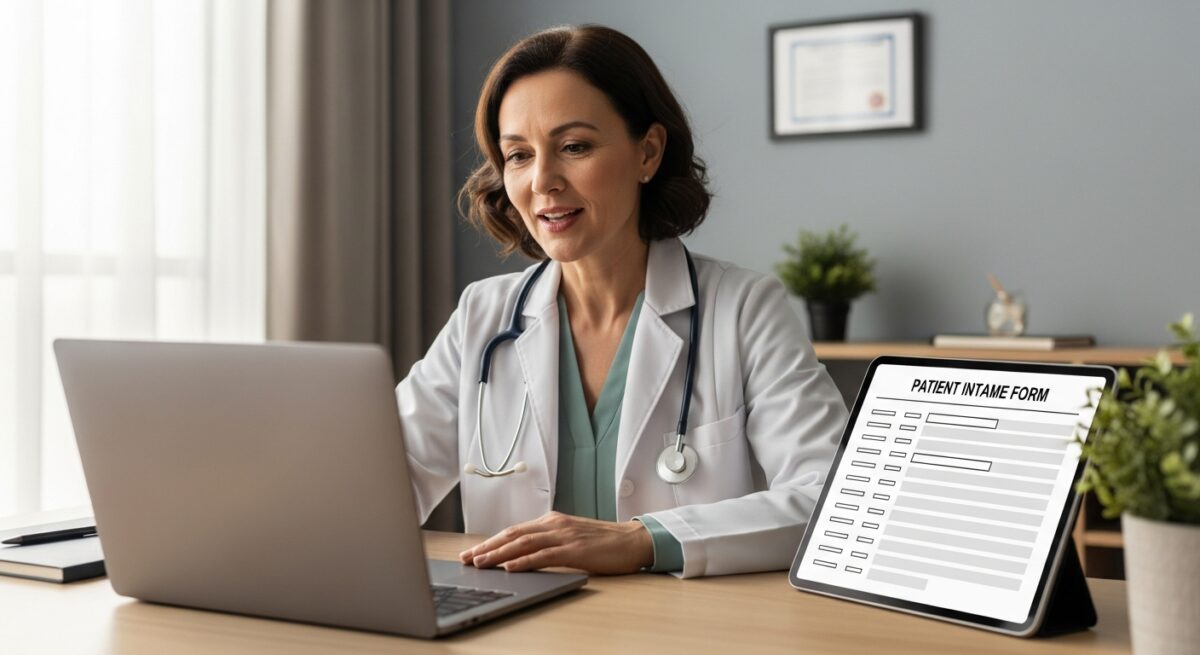
The shift toward digital healthcare has transformed how patients and providers connect. For physicians, adopting telemedicine software platforms is no longer optional; it is a cornerstone of modern medical practice. These systems allow doctors to diagnose, treat, and follow up with patients remotely, offering convenience without sacrificing quality of care. As the demand for accessible healthcare grows, understanding how to leverage these tools effectively is critical for any medical professional.
Telemedicine platforms for doctors provide a structured environment where clinical workflows, patient communication, and administrative tasks converge. Unlike simple video chat apps, these platforms are designed to meet healthcare regulations, integrate with electronic health records, and support a range of medical services from routine check-ups to chronic disease management. The best solutions balance ease of use for the patient with robust functionality for the clinician.
In this article, we explore how physicians can select and utilize telemedicine software providers to enhance their practice. We will cover essential features, integration strategies, and the practical steps for delivering excellent virtual care. Whether you are a solo practitioner or part of a large healthcare system, the insights below will help you navigate the landscape of remote medicine.
Core Features of Telemedicine Software Platforms
When evaluating telemedicine platforms for doctors, certain features are non-negotiable. The primary function is secure, high-quality video conferencing that supports real-time interaction. However, a platform must go beyond simple video calls to be truly effective for clinical use. It needs to facilitate the entire patient encounter from start to finish.
A comprehensive system should include integrated scheduling, automated reminders, and a digital waiting room. These tools reduce no-show rates and streamline the patient experience. On the clinical side, the platform must support secure messaging, electronic prescribing, and the ability to share images or lab results. For physicians, the ability to document the visit directly within the platform or through an integrated EHR is a major time-saver.
Consider these essential capabilities when reviewing telemedicine software providers:
- HIPAA-compliant video and audio: Ensures all patient communications are encrypted and private.
- E-prescribing integration: Allows doctors to send prescriptions directly to a pharmacy, like the service offered by DoctorsHome for conditions such as herpes virus and eye allergies.
- Digital intake forms and payment processing: Enables patients to complete paperwork and pay before the visit begins.
- Screen sharing and document upload: Facilitates reviewing test results or educational materials during the consultation.
These features create a seamless loop from booking to follow-up. A platform lacking in any of these areas may create friction for both the provider and the patient. For example, if a platform does not support e-prescribing, the doctor must use a separate system, which adds time and increases the risk of error. An all-in-one solution minimizes these disruptions.
Furthermore, the user interface matters greatly. If the platform is difficult for patients to navigate, they may cancel the appointment or fail to connect. Doctors should look for platforms that offer a simple, mobile-friendly experience. The best telemedicine software platforms invest heavily in user experience design to ensure that even non-technical patients can join a visit with a single click.
Integrating Virtual Care into Your Practice Workflow
Adopting telemedicine software platforms is not just about installing new technology; it is about rethinking your clinical workflow. A common mistake is to treat virtual visits as a separate entity from in-person care. For optimal efficiency, virtual care should be woven into the fabric of your daily operations. This means aligning your scheduling, billing, and documentation processes for both physical and remote visits.
Start by identifying which types of visits are best suited for telemedicine. Follow-up consultations, medication management, and discussions of lab results are excellent candidates. Initial assessments for certain conditions, such as eye allergies or herpes virus infections, can also be handled effectively online through a detailed history and visual inspection via video. At DoctorsHome, we see this model work effectively for patients seeking discreet and convenient care for specific health concerns.
To integrate successfully, you need to train your staff on the new protocols. Front desk personnel should know how to guide patients through the technical setup. Nurses or medical assistants can be trained to perform virtual rooming, which includes verifying patient identity, updating medications, and reviewing the reason for the visit before the doctor joins. This preparation ensures the physician can focus entirely on clinical decision-making.
Billing for telemedicine has become more straightforward, but it requires attention to detail. Most insurance plans now cover virtual visits, but the coding and modifiers can vary. Your platform should support the generation of appropriate billing codes. Many modern telemedicine software providers include revenue cycle management tools that automatically apply the correct codes for video, audio-only, or e-visits.
Another critical aspect is the integration of at-home medical testing. As platforms like DoctorsHome expand to offer testing kits for conditions ranging from vitamin deficiencies to thyroid function, physicians can order these tests remotely. The results are sent directly to the provider, who can then discuss them with the patient during a follow-up video visit. This creates a complete care loop without requiring the patient to visit a lab or clinic.
Overcoming Common Telemedicine Challenges
Despite the clear benefits, telemedicine platforms for doctors come with challenges. One of the most significant is technological literacy among patients. Older adults or those in rural areas may struggle with internet connectivity or using a smartphone app. To address this, physicians should offer clear instructions and have a backup plan, such as a telephone call, for patients who cannot connect via video.
Another challenge is maintaining a strong doctor-patient relationship through a screen. Non-verbal cues are harder to read, and the physical exam is limited. However, with practice, physicians can adapt their communication style. Looking directly into the camera, speaking clearly, and asking open-ended questions can help bridge the gap. Additionally, asking patients to have a thermometer or blood pressure cuff handy can provide valuable data during the visit.
Data security is a persistent concern. Patients trust their doctors with sensitive health information, and a breach can be devastating. It is essential to use platforms that are HIPAA-compliant and to train staff on best practices for data handling. This includes using strong passwords, enabling two-factor authentication, and never conducting visits over unsecured public Wi-Fi.
For those looking to compare options, our guide on Top Telemedicine Platforms and Tools for Online Care provides a detailed breakdown of leading solutions and their specific strengths. This resource can help you identify which platform aligns best with your specialty and patient population.
Additionally, consider the challenge of reimbursement parity. While policies have improved, some states or insurers still offer lower reimbursement for audio-only visits compared to video. Staying informed about local regulations is crucial. Many professional organizations offer updated guides on telemedicine billing, and your chosen platform may also provide resources.
Frequently Asked Questions
What is the difference between a telemedicine platform and a regular video call app?
A telemedicine platform is built specifically for healthcare. It includes HIPAA-compliant encryption, integration with medical records, e-prescribing, and billing tools. Standard apps like FaceTime or Zoom do not meet privacy regulations and lack the clinical features needed for a proper medical visit.
Can I prescribe medication through a telemedicine platform?
Yes. Most reputable telemedicine software platforms include e-prescribing functionality. This allows doctors to send prescriptions directly to a pharmacy. However, rules vary by state regarding the prescription of controlled substances via telemedicine, so it is important to verify your local laws.
How do I choose the right telemedicine software provider for my practice?
Start by listing your must-have features: video quality, EHR integration, e-prescribing, and patient scheduling. Then consider your budget and the size of your practice. Read user reviews and request a demo before committing. Many providers offer free trials so you can test the workflow with a small number of patients first.
Is telemedicine as effective as in-person visits?
For many conditions, telemedicine is equally effective. Studies show high patient satisfaction and good clinical outcomes for follow-ups, chronic disease management, and mental health consultations. However, telemedicine is not suitable for emergencies or conditions that require a physical examination. It is a complement to, not a replacement for, in-person care.
How can I ensure my telemedicine visits are secure?
Use a platform that is HIPAA-compliant and encrypts all data in transit and at rest. Train your staff on security protocols. Advise patients to join visits from a private location and use a secure internet connection. Avoid using public or shared devices for consultations.
For patients seeking a straightforward and confidential experience, platforms like DoctorsHome offer a streamlined process. You can fill out an online form, receive a doctor review, and get prescriptions or at-home test kits delivered in discreet packaging within two to five business days. This model demonstrates how virtual care can be both efficient and patient-centered.
The future of healthcare is undeniably digital. Telemedicine platforms for doctors are evolving rapidly, incorporating artificial intelligence, remote monitoring, and advanced analytics. By choosing the right technology and integrating it thoughtfully into your practice, you can expand your reach, improve patient outcomes, and build a more resilient healthcare business. The key is to start small, train thoroughly, and always prioritize the patient experience. Learn more
About the Author: Matthew Sullivan





Sign up for our newsletter and Save 20% on Test Kits
"*" indicates required fields