

How Digital Medical Records Power Modern Online Healthcare
How Digital Medical Records Power Modern Online Healthcare
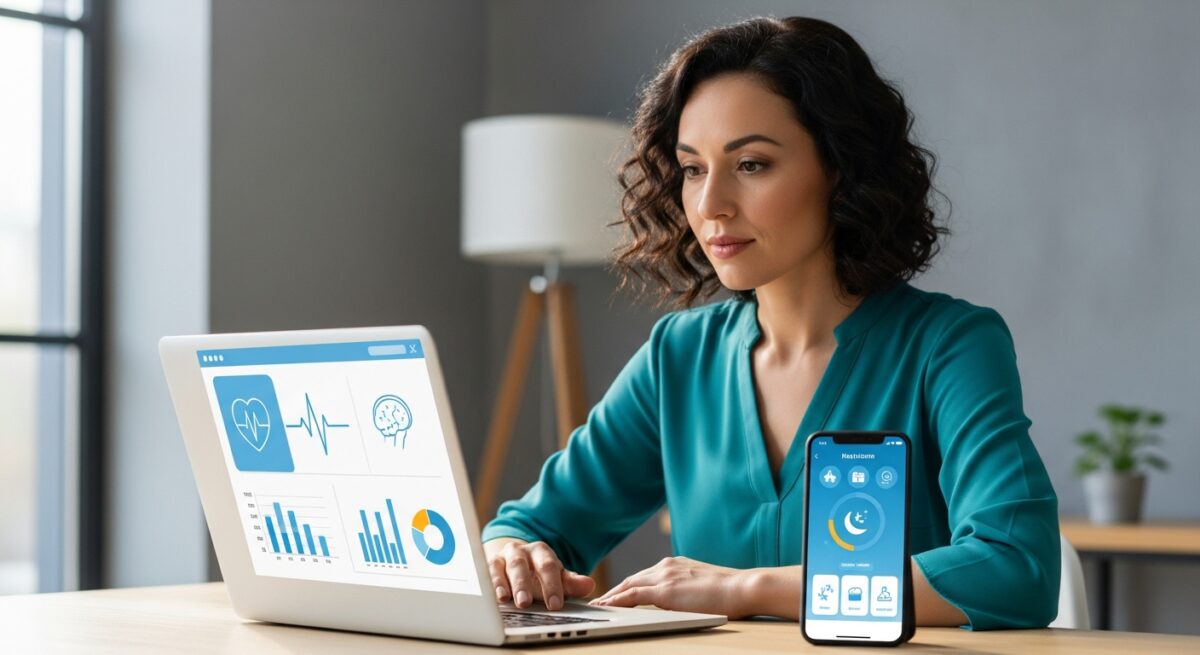
Imagine a world where your complete medical history, from a childhood vaccination to last week’s specialist consultation, is instantly accessible to you and your authorized doctor with a few clicks, no matter where you are. This is not a futuristic vision, but the reality enabled by robust digital medical records systems for online healthcare. These systems form the central nervous system of modern telemedicine, transforming scattered paper files into a cohesive, secure, and dynamic digital health record. For platforms like Doctors Home, which provide remote consultations and prescription services, a seamless digital records system is not just a convenience, it is the critical foundation for safe, effective, and continuous care. It bridges the gap between virtual visits and comprehensive patient understanding, ensuring that every online consultation is informed, personalized, and clinically sound.
The Core Function of Digital Records in Telemedicine
At its essence, a digital medical records system for online healthcare is a secure, centralized repository for a patient’s health information. It replaces the traditional paper chart, but its function in a virtual care environment is vastly more powerful. When you schedule a telemedicine consultation, the provider’s ability to deliver quality care hinges on their access to accurate, up-to-date information. A robust system consolidates data from various sources, including past diagnoses, medication lists, allergy information, lab results, and notes from previous virtual or in-person visits. This creates a longitudinal health record that travels with the patient, not stuck in a single doctor’s office. For services focused on specific conditions, such as managing herpes virus outbreaks or treating eye allergies, having immediate access to a patient’s treatment history and medication responses is indispensable for making appropriate prescribing decisions during a virtual visit.
The integration goes beyond static data storage. Advanced systems facilitate real-time clinical workflow. They allow providers to document the current encounter, update problem lists, prescribe medications electronically (e-prescribing), and order relevant at-home testing kits directly through the platform. This creates a closed-loop ecosystem where consultation, diagnosis, and treatment are seamlessly connected. The patient benefits from a unified experience, where their digital health record is a living document that reflects their ongoing health journey, accessible through a patient portal for review and management. Understanding how to navigate this resource is key, which is why resources like our guide on how to access and use your online medical records are vital for patient empowerment.
Key Benefits for Patients and Providers
The shift from fragmented paper records to integrated digital medical records systems delivers tangible advantages for every participant in the healthcare process. For patients, the benefits center on accessibility, engagement, and safety. Medical information is available 24/7 through secure patient portals, enabling individuals to review test results, check medication instructions, and share records with new specialists effortlessly. This fosters a more collaborative relationship with healthcare providers. From a safety perspective, digital records reduce the risk of errors from illegible handwriting, provide automated allergy and drug interaction alerts during prescribing, and ensure that a complete history is available during emergencies.
For healthcare providers and telemedicine platforms, the efficiencies and improvements in care quality are profound. Digital records eliminate time wasted searching for physical charts or faxing records between offices. This allows providers to spend more time on patient care during consultations. Comprehensive records support better clinical decision-making by presenting a full picture of the patient’s health. Furthermore, these systems enhance care coordination, especially in hybrid care models where a patient might see an online provider for convenience and an in-person specialist for procedures. All authorized clinicians can contribute to and view the same record, preventing duplicate tests and contradictory treatments. The strategic advantages for a telemedicine service include:
- Enhanced Diagnostic Accuracy: A complete history reduces reliance solely on patient recall during brief virtual visits.
- Streamlined Prescription Management: E-prescribing integrated with the record ensures accuracy and direct pharmacy routing.
- Support for At-Home Testing: Results from self-administered kits can be directly uploaded and integrated into the patient’s permanent record.
- Facilitated Chronic Disease Management: Continuous tracking of vitals, symptoms, and medications is possible, enabling proactive care adjustments.
- Operational Scalability: Digital records are essential for managing a high volume of online consultations efficiently and securely.
Critical Features and Security Considerations
Not all digital medical records systems are created equal, especially when designed for the unique demands of online healthcare. Several core features are non-negotiable. First is interoperability, or the system’s ability to exchange and use information with other systems. In an ideal scenario, your telemedicine platform’s records can receive data from your primary care physician’s system, your lab, and your pharmacy. While full interoperability remains a challenge industry-wide, leading digital medical records companies prioritize standards like HL7 and FHIR to enable better data sharing.
Second is a user-centric patient portal. This is the patient’s window into their health data. A good portal is intuitive, mobile-friendly, and offers functionalities beyond simple viewing. It should allow secure messaging with providers, appointment scheduling, prescription renewal requests, and the ability to upload personal health observations. Third, the system must be built around robust clinical workflow integration. It should not feel like a separate tool, but an innate part of the provider’s virtual consultation interface, with charting templates, quick-access buttons, and e-prescribing built in.
Underpinning all these features is an uncompromising commitment to healthcare data security and privacy. These systems store highly sensitive personal health information (PHI) and are prime targets for cyberattacks. Compliance with regulations like HIPAA (Health Insurance Portability and Accountability Act) in the United States is the baseline. Key security measures include end-to-end encryption for all data in transit and at rest, strict access controls with multi-factor authentication, detailed audit trails that log every view or edit of a record, and regular security penetration testing. Patients should trust that a telemedicine platform invests heavily in this infrastructure, treating their digital health records with the highest level of protection, a commitment detailed in a platform’s privacy policy and security protocols.
Integration with Broader Digital Health Ecosystems
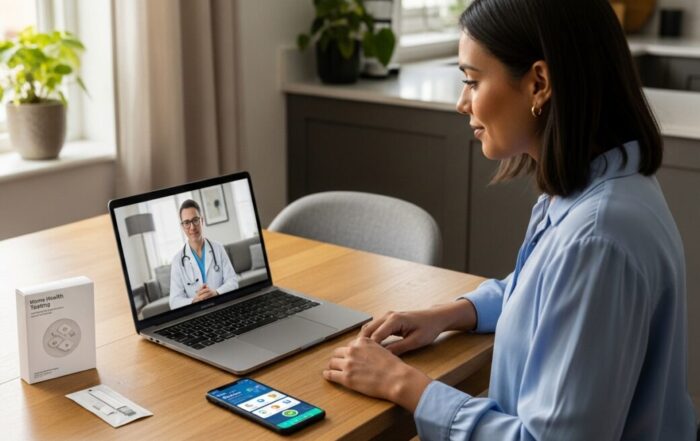
The true power of a digital medical records system is realized when it acts as the hub for a wider ecosystem of digital health tools. For a comprehensive service like Doctors Home, this integration is strategic. The most direct link is with at-home testing kits. When a provider recommends a test during a virtual visit, the system can facilitate the kit’s ordering. Once the patient completes the test, the results can be electronically transmitted and filed directly into their digital record, where the provider can interpret them and recommend next steps, closing the diagnostic loop entirely remotely.
Furthermore, these systems increasingly connect with wearable devices and patient-generated health data. Information from a smartwatch (like heart rate trends) or a Bluetooth-connected glucose monitor can be fed into the record with patient consent, providing continuous, real-world data that enriches the snapshot from periodic consultations. This is particularly transformative for chronic disease management, allowing for monitoring and intervention between formal appointments. The system can also integrate with digital pharmacy services, enabling seamless e-prescription fulfillment and medication adherence tracking. This creates a cohesive patient journey from symptom onset (online consultation) to testing (at-home kit) to diagnosis (integrated results) to treatment (e-prescription) and follow-up (secure messaging), all documented and coordinated within a single digital health records framework.
Addressing Common Questions and Concerns
Despite the clear advantages, patients and providers often have questions about adopting digital medical records systems for online healthcare.
Frequently Asked Questions
How secure is my information in a digital medical record? Reputable telemedicine platforms and digital medical records companies employ enterprise-grade security exceeding regulatory requirements. This includes encryption, secure data centers, and strict access protocols. Your data is typically far more secure than in a paper file susceptible to physical loss or unauthorized access.
Can I access my own records? Absolutely. A core principle of modern systems is patient access. Through a secure patient portal, you can view your health summary, lab results, medication lists, and clinical notes from your visits. You also have the right to request corrections or download your data for personal use.
What if I use multiple healthcare providers? This is where the value of a centralized record shines. You can grant permission for different providers (your online doctor, your local specialist, your dentist) to access relevant portions of your record. This improves care coordination and prevents you from having to repeatedly relay your medical history.
Will this replace my relationship with my doctor? No, it enhances it. Digital records provide your doctor with better information, making your consultations, whether in-person or virtual, more productive and informed. It supports a continuous relationship rather than a series of disconnected episodes.
Are there costs associated for patients? For patients, access to the records system and portal is generally provided as part of the telemedicine service. There are typically no additional subscription fees to view or manage your own health information through the platform’s patient portal.
The evolution of digital medical records systems is fundamentally reshaping the delivery of online healthcare. They move telemedicine beyond simple video calls to a sophisticated, integrated, and data-driven model of care. For patients, it means empowerment, continuity, and safety. For providers and platforms committed to quality, like Doctors Home, it is the essential infrastructure that makes remote care not just possible, but profoundly effective. As these systems continue to advance, becoming more interoperable and intelligent, they promise to further personalize healthcare, making it more proactive, accessible, and seamlessly connected to our daily lives.
About the Author: Robert Hayes



Sign up for our newsletter and Save 20% on Test Kits
"*" indicates required fields