
Functional Medicine Telehealth: Your Guide to Online Integrative Care
Functional Medicine Telehealth: Your Guide to Online Integrative Care
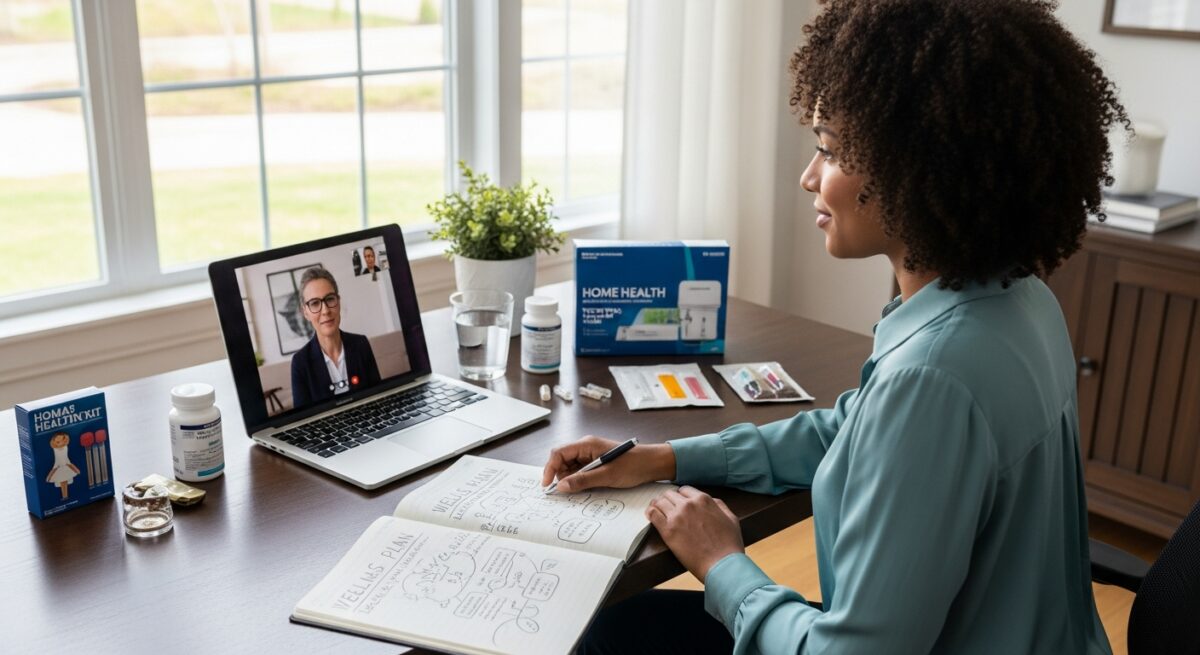
Imagine accessing a healthcare model that treats you as a whole person, not just a collection of symptoms, all from the comfort of your home. This is the promise of functional medicine telehealth online integrative care, a transformative approach merging the deep, root-cause investigation of functional medicine with the accessibility of modern telemedicine. It represents a significant evolution in patient-centered care, moving beyond the traditional sick-care model to focus on long-term wellness and prevention. By leveraging secure video platforms and digital health tools, practitioners can now conduct comprehensive assessments, develop personalized wellness plans, and provide continuous support, breaking down geographical and logistical barriers that have historically limited access to this type of in-depth, integrative healthcare.
The Core Philosophy of Functional and Integrative Medicine
Functional medicine telehealth is built upon a foundational philosophy that differs markedly from conventional care. Where traditional medicine often excels at acute intervention and disease management, functional medicine seeks to understand the underlying physiological imbalances that lead to symptoms and disease. It operates on the principle that the body is an interconnected system, and dysfunction in one area (like gut health) can manifest as problems in another (like skin conditions or mood disorders). This systems-biology approach requires a deep dive into an individual’s unique genetic, biochemical, and lifestyle factors. Integrative care then weaves this understanding together with both conventional medical treatments and evidence-based complementary therapies, such as targeted nutrition, stress management techniques, and mindful movement. The goal is not merely to suppress symptoms but to restore optimal function and resilience.
This patient-practitioner partnership is central. In a functional medicine telehealth model, the initial consultation is typically extensive, often lasting 60 to 90 minutes. The practitioner’s role is that of a detective and guide, listening to the patient’s full history, timeline, and story to identify clues. They explore domains often overlooked in brief appointments: sleep quality, energy levels, food reactions, stress exposure, toxin load, and social connections. This collaborative investigation forms the basis for a highly personalized plan, making the telehealth format particularly powerful as it allows for this deep conversation to happen in a patient’s own, often less stressful, environment.
How Online Functional Medicine Care Works in Practice
The practical delivery of functional medicine telehealth online integrative care is a structured yet flexible process designed to gather comprehensive data and facilitate meaningful interaction. It begins with advanced preparation. Prior to the first virtual visit, patients are usually asked to complete detailed health questionnaires and life-style assessments. Crucially, this often includes ordering and completing specific at-home testing kits. These tests, which can range from comprehensive stool analysis and hormone panels to food sensitivity and micronutrient testing, provide objective data that is critical for the functional medicine model. The integration of at-home testing is a key synergy, allowing patients to contribute vital diagnostic information without needing to visit a lab.
The subsequent telehealth consultation is where the puzzle pieces come together. Using a secure HIPAA-compliant video platform, the practitioner reviews the pre-submitted forms and test results with the patient in real-time. They can visually explain complex physiological pathways using shared screens, review food and symptom journals, and observe non-verbal cues. The collaborative plan developed is not a simple prescription, it is a multifaceted roadmap. This plan may include dietary modifications, supplement protocols, sleep hygiene strategies, exercise recommendations, and stress-reduction practices. Follow-up visits, conveniently scheduled via telehealth, are essential to monitor progress, interpret new test results, and adjust the plan dynamically. This continuous, accessible support loop is a hallmark of effective integrative telemedicine.
Key Benefits of Choosing a Telehealth Model for Integrative Care
Adopting a telehealth model for functional and integrative medicine unlocks a suite of benefits that address major pain points in today’s healthcare landscape. The most immediate advantage is dramatically improved access. Patients in rural areas, those with mobility challenges, or individuals with demanding schedules can now connect with specialized practitioners who were previously out of reach. This democratizes a level of care that was often exclusive to major metropolitan centers. Furthermore, the model fosters unparalleled convenience and continuity. Appointments can fit into lunch breaks or after hours, eliminating travel time, waiting rooms, and associated stress. This ease of access encourages more consistent follow-up, which is vital for the lifestyle-based changes central to functional medicine.
Another profound benefit is the enhancement of the therapeutic partnership. Communicating from one’s own home can reduce patient anxiety and foster a more open, honest dialogue. Patients often feel more empowered and engaged when they are in a comfortable setting. From a clinical perspective, telehealth allows practitioners to make observations about a patient’s home environment that can be informative. The model also seamlessly integrates digital health tools. Practitioners can easily share educational resources, meal plans, and meditation apps directly through patient portals. Wearable data from fitness trackers or continuous glucose monitors can be uploaded and reviewed during sessions, providing real-world, real-time insights into a patient’s physiology that are impossible to capture in a once-a-year office visit.
The specific advantages of this model include:
- Expanded access to specialist-level integrative care regardless of geographic location.
- Deep, uninterrupted consultation time focused solely on the patient’s narrative.
- Seamless integration of data from at-home testing kits and digital health wearables.
- Reduced overhead costs for practitioners, which can make this depth of care more financially accessible.
- A comfortable, low-stress environment for the patient that can lead to more productive discussions.
This approach is particularly powerful for managing complex, chronic conditions where multiple body systems are involved. The ability to have frequent, low-burden touchpoints enables fine-tuning of protocols that would be impractical with only quarterly in-person visits.
Conditions and Health Goals Ideal for This Approach
Functional medicine telehealth online integrative care is exceptionally well-suited for addressing complex, chronic health issues where root causes are multifactorial. These are conditions that often don’t have a single, simple pharmaceutical solution and where lifestyle and environment play significant roles. A prime example is autoimmune disorders, such as Hashimoto’s thyroiditis, rheumatoid arthritis, or celiac disease. Telehealth allows for the ongoing management needed to identify triggers (like food sensitivities or gut dysbiosis), modulate the immune response, and manage flare-ups through diet and lifestyle. Gastrointestinal issues like irritable bowel syndrome (IBS), small intestinal bacterial overgrowth (SIBO), and inflammatory bowel disease (IBD) are also ideal, given the heavy reliance on detailed symptom tracking, food logs, and specialized stool testing that can be easily coordinated online.
Hormonal imbalances, including those related to menopause, andropause, adrenal fatigue (HPA axis dysfunction), and polycystic ovary syndrome (PCOS), are another strong fit. The nuanced symptom picture and the need for repeated testing and protocol adjustments align perfectly with the continuous care model of integrative telemedicine. Furthermore, conditions like chronic fatigue, fibromyalgia, persistent mood disorders, and metabolic syndrome (pre-diabetes, insulin resistance) benefit immensely from the holistic, systems-based approach. It’s important to note that while this model is powerful for chronic management, it operates within a responsible framework. Reputable telehealth practitioners know their limits and will urgently direct patients to seek in-person emergency care or coordinate with local primary care physicians for issues requiring hands-on examination or acute intervention. This collaborative spirit is key, much like the coordination needed in specialized fields such as pediatric telemedicine for children’s health.
Navigating the Practicalities and Finding the Right Provider
To successfully engage with functional medicine telehealth, understanding the practical logistics is crucial. The process typically starts with researching and selecting a credentialed provider. Look for practitioners who are licensed in your state (a legal requirement for telehealth) and who hold certifications from reputable institutions like The Institute for Functional Medicine (IFM). Verify their training in integrative modalities. The financial model is another key consideration. Many functional medicine telehealth practices operate on a direct-pay or membership basis, as the time-intensive nature of care is often not fully covered by traditional insurance. However, some may provide superbills for you to submit to your insurance for possible out-of-network reimbursement. It’s essential to clarify costs for initial consultations, follow-ups, and recommended testing upfront.
Technologically, you will need a reliable internet connection, a device with a camera and microphone (smartphone, tablet, or computer), and a quiet, private space for your consultations. The practice should provide clear instructions on accessing their secure telehealth platform. Preparing for your first visit is a active part of the process. Be ready to provide a thorough health history, gather any previous lab results, and diligently complete any pre-visit questionnaires or testing. This preparation maximizes the value of your time with the practitioner. Finally, embrace the model as a collaborative journey. Success in functional medicine relies heavily on patient implementation. The accessibility of telehealth makes it easier to report back on what’s working or not, ask clarifying questions, and stay accountable, thereby increasing the likelihood of achieving lasting health improvements.
Frequently Asked Questions
Is functional medicine telehealth online integrative care covered by insurance?
Coverage varies widely. Many functional medicine practitioners operate outside of insurance networks due to the lengthy consultation times. They often use direct-pay models. Some may offer superbills for you to submit for potential out-of-network reimbursement. Always verify the financial policy directly with the provider before your first visit.
Can I get prescriptions through a functional medicine telehealth visit?
Yes, licensed medical doctors (MDs), doctors of osteopathy (DOs), and nurse practitioners (NPs) practicing functional medicine can prescribe medications when deemed medically appropriate. This may include prescriptions for thyroid medication, bio-identical hormones, or other pharmaceuticals as part of an integrative plan. However, the focus often leans toward lifestyle, nutritional, and natural supplement interventions first.
How do at-home testing kits work, and are they reliable?
Reputable functional medicine telehealth providers partner with certified laboratories. The kits are mailed to you, you collect the sample (saliva, stool, blood from a finger prick, etc.) following detailed instructions, and mail it back to the lab. The practitioner then receives the results and reviews them with you. The reliability is high when using CLIA-certified labs, and these tests often provide deeper functional insights than standard lab ranges.
Is this type of care suitable for acute illnesses, like infections?
No, functional medicine telehealth is designed for chronic, complex condition management and prevention. For acute issues like sudden fever, severe pain, chest pain, or shortness of breath, you must contact your primary care physician, visit an urgent care clinic, or go to an emergency room for immediate, in-person evaluation.
What is the typical timeline for seeing results with this approach?
Because it addresses root causes and system-wide function, functional medicine is not a quick fix. Some patients notice improvements in energy or symptoms within a few weeks, but more significant, lasting changes often take three to six months or longer. It is a process of uncovering layers of imbalance and supporting the body’s innate healing mechanisms over time.
Functional medicine telehealth online integrative care is more than a convenient alternative, it is a fundamentally improved pathway to sustainable health. By combining the investigative power of functional medicine with the connectivity of telehealth, it creates a dynamic, personalized, and accessible healthcare experience. This model empowers individuals to become active participants in their wellness journey, supported by a practitioner who has the time and tools to look beyond symptoms. As digital health technology continues to advance, this fusion of deep science and seamless access is poised to redefine what it means to receive truly comprehensive, patient-centered care, making the pursuit of optimal health a more integrated and achievable part of daily life.
About the Author: Michael Anderson




Sign up for our newsletter and Save 20% on Test Kits
"*" indicates required fields