
Fast Relief Tips for Seasonal Eye Allergies
Fast Relief Tips for Seasonal Eye Allergies
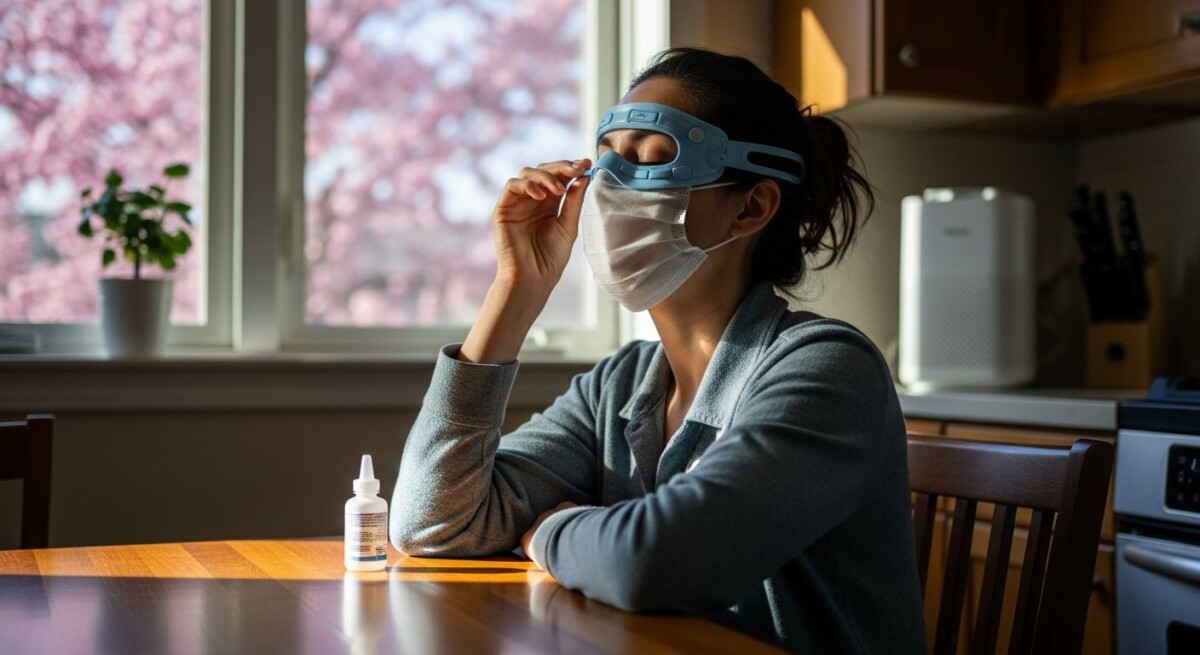
Seasonal eye allergies can turn a beautiful spring day into a misery of itching, redness, and watery eyes. When pollen counts soar and your eyes feel like they are on fire, you need solutions that work quickly. The good news is that there are several effective strategies to calm your eyes fast, whether you are at home, at work, or on the go. This guide provides a comprehensive look at fast relief tips for seasonal eye allergies, combining immediate first-aid measures with longer-term management strategies to help you see clearly and comfortably again.
Understanding Why Your Eyes React So Strongly
To find the best relief, it helps to understand what is happening inside your eyes. Seasonal eye allergies, also known as allergic conjunctivitis, occur when your immune system overreacts to airborne allergens like pollen, mold spores, or ragweed. When these particles land on your eyes, your body releases histamine and other chemicals to fight them off. This chemical release causes blood vessels in the eyes to swell and leak fluid, leading to the classic symptoms of itching, redness, tearing, and a burning sensation.
The intensity of your reaction can vary depending on the allergen count for the day and your personal sensitivity. Some people experience mild discomfort, while others suffer from severe itching that interferes with daily activities like reading, driving, or working on a computer. Knowing the triggers and the biological response is the first step toward choosing the right fast-acting remedy.
Immediate First-Aid for Itchy and Red Eyes
When symptoms strike suddenly, you need interventions that work within minutes. The following methods are considered first-line treatments because they are safe, accessible, and provide almost instant comfort.
Cold Compresses and Eye Masks
Applying something cold to your closed eyelids is one of the simplest and most effective ways to get fast relief. Cold temperatures constrict blood vessels, which reduces swelling and numbs the nerve endings that cause itching. You can use a clean washcloth soaked in cold water, a gel eye mask stored in the refrigerator, or even a bag of frozen peas wrapped in a soft towel. Apply the compress for 10 to 15 minutes, then take a break. Repeat as needed throughout the day. This technique is especially useful during peak allergy hours in the morning or after spending time outdoors.
Preservative-Free Artificial Tears
Artificial tears serve two important purposes during allergy season. First, they flush allergens out of your eyes, removing the irritants that are causing the reaction. Second, they add moisture to dry, irritated eyes, which helps soothe the burning sensation. Look for preservative-free formulas, as these can be used as often as needed without causing additional irritation. Keep a bottle in your bag, at your desk, and by your bedside so you always have access to quick relief.
Avoid Rubbing Your Eyes
It may be tempting to rub your itchy eyes, but this is one of the worst things you can do. Rubbing releases more histamine from the mast cells in your eyelids, which actually worsens the itch and increases swelling. It can also damage the delicate skin around your eyes and may lead to more serious issues like corneal abrasions. If you feel the urge to rub, use a cold compress or artificial tears instead. Breaking this habit is a crucial part of managing your symptoms effectively.
Over-the-Counter and Prescription Eye Drops
For many people, artificial tears alone are not enough to control moderate to severe itching. In these cases, medicated eye drops can provide more powerful and longer-lasting relief. There are two main categories to consider.
Antihistamine Eye Drops
Antihistamine drops work by blocking the histamine receptors in your eyes, directly stopping the allergic reaction. Many over-the-counter options combine an antihistamine with a mast cell stabilizer, which prevents future histamine release. These drops typically start working within minutes and can provide relief for several hours. Brands like ketotifen fumarate are widely available without a prescription. However, some people find that they need a stronger formulation, which is where a doctor can help.
When to Seek a Prescription
If over-the-counter drops are not providing adequate relief, or if you are experiencing symptoms for more than a few days, it is time to talk to a healthcare provider. A doctor can prescribe stronger antihistamine drops or medications that contain a steroid component for more severe inflammation. Through a platform like DoctorsHome, you can have a virtual consultation with a licensed professional who can assess your symptoms and, if appropriate, prescribe a targeted eye allergy medication. This is especially helpful if you have a busy schedule and cannot easily visit a clinic in person. As we discuss in our guide on Year-Round Eye Allergy Relief: A Practical Checklist, having a plan that includes both immediate and preventive treatments is key to managing symptoms effectively.
Oral Antihistamines and Their Role
Oral antihistamines can be a useful addition to your allergy relief toolkit, especially if you have other allergy symptoms like sneezing or a runny nose alongside your eye issues. Non-drowsy options like loratadine or cetirizine can reduce the overall allergic response in your body, which may indirectly help calm your eyes. However, oral antihistamines are generally less effective for eye symptoms than topical eye drops because the medication is distributed throughout your body rather than concentrated on the eyes.
One important consideration is that some oral antihistamines can cause dry eyes as a side effect. If you already suffer from dry eye syndrome, this could make your eye discomfort worse. Always check with your doctor or pharmacist before starting a new medication, and use artificial tears alongside oral antihistamines if you notice increased dryness.
Environmental Strategies to Reduce Allergen Exposure
While treating symptoms is important, reducing your exposure to allergens can prevent symptoms from starting in the first place. The following environmental changes can make a significant difference in your daily comfort.
- Keep windows closed: During high-pollen days, keep your home and car windows shut. Use air conditioning instead of fresh air to filter out allergens.
- Use a HEPA filter: A high-efficiency particulate air (HEPA) filter in your bedroom can remove pollen, dust mites, and mold spores from the air while you sleep.
- Shower before bed: Pollen can collect on your hair, skin, and clothing throughout the day. Showering at night washes these allergens away and prevents them from getting onto your pillowcase, where they can irritate your eyes while you sleep.
- Wear wraparound sunglasses: When you go outside, sunglasses with a wraparound style create a physical barrier that blocks pollen from reaching your eyes. They also protect your eyes from UV rays.
- Monitor pollen counts: Check your local weather app for daily pollen forecasts. On days when counts are very high, try to limit outdoor activities, especially during mid-morning and early evening when pollen levels peak.
Implementing these strategies consistently can reduce the frequency and severity of your allergy attacks. They work best when combined with the immediate relief methods discussed earlier.
Lifestyle Adjustments for Long-Term Comfort
Beyond environmental controls, certain lifestyle habits can strengthen your body’s ability to handle allergens and reduce overall inflammation. A healthy diet rich in omega-3 fatty acids, found in fish like salmon and in flaxseeds, may help reduce inflammatory responses in the body. Staying well-hydrated also supports tear production, which helps keep your eyes naturally lubricated and better able to flush out irritants.
If you wear contact lenses, consider switching to daily disposable lenses during allergy season. These lenses are discarded each night, so allergens that accumulate on the lens surface are removed permanently. Alternatively, wearing glasses more often during high-pollen periods can give your eyes a break from the irritation that contact lenses can cause.
Frequently Asked Questions
Can I use allergy eye drops with contact lenses?
Many medicated eye drops contain preservatives that can absorb into contact lenses and cause irritation. If you need to use drops frequently, remove your contacts first and wait at least 15 minutes before reinserting them. Preservative-free artificial tears are safe to use while wearing contacts.
How long do seasonal eye allergies typically last?
Seasonal eye allergies last as long as you are exposed to the triggering allergen. This can be a few weeks during a specific pollen season or several months if you are allergic to multiple types of pollen. Perennial allergies, caused by indoor allergens like dust mites, can last year-round.
Are eye allergies contagious?
No, allergic conjunctivitis is not contagious. It is an immune system reaction, not an infection. You cannot spread it to other people through direct contact or through the air.
When should I see a doctor for eye allergies?
You should see a doctor if your symptoms are severe, if over-the-counter treatments are not working after a few days, if you have eye pain or sensitivity to light, or if you notice a change in your vision. These could be signs of a more serious eye condition that requires professional evaluation.
Can eye allergies lead to other eye problems?
Chronic eye rubbing and inflammation can sometimes lead to complications like corneal damage or an increased risk of eye infections. Managing your allergies effectively is the best way to prevent these secondary issues.
Building Your Personalized Relief Plan
No single approach works for everyone, so it is important to experiment and find the combination of strategies that works best for you. Start with the immediate first-aid measures like cold compresses and artificial tears. If those are not enough, add over-the-counter antihistamine drops. If symptoms persist, consult a healthcare provider about prescription options. At the same time, implement environmental controls and lifestyle adjustments to reduce your overall allergen load.
Seasonal eye allergies do not have to ruin your favorite time of year. By understanding your triggers and having a plan for fast relief, you can enjoy the outdoors and your daily activities with greater comfort. For those who need additional support, a telemedicine consultation can provide quick access to prescription-strength treatments without the wait. If you are looking for a convenient way to address persistent symptoms, you might also explore options related to financial flexibility such as car loan refinancing to free up budget for healthcare expenses. The key is to be proactive and treat your symptoms early, before they become severe.
About the Author: Olivia Bennett





Sign up for our newsletter and Save 20% on Test Kits
"*" indicates required fields